IN Brief:
- Poland has ordered 96 Krab self-propelled howitzers from PGZ subsidiary Huta Stalowa Wola.
- A second contract covers several hundred thousand Polish-produced 155 mm artillery rounds.
- The package reinforces Europe’s artillery production race, where guns, ammunition, logistics, and finance must expand together.
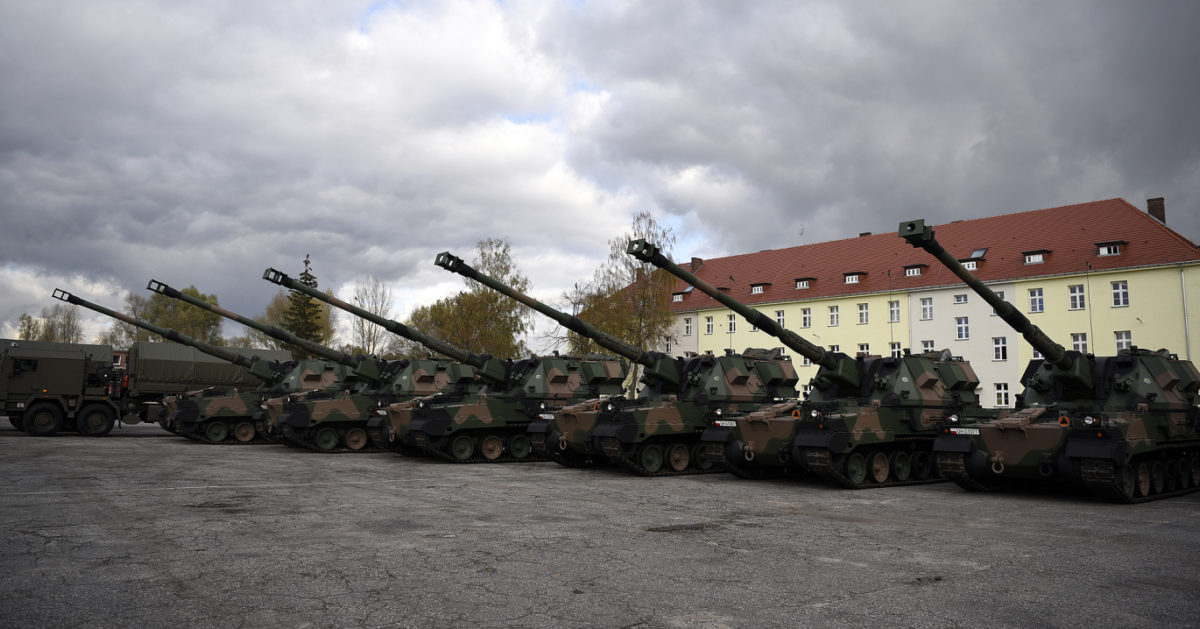
Poland has signed two major artillery contracts with PGZ Group, ordering 96 Krab self-propelled howitzers and several hundred thousand Polish-manufactured 155 mm rounds.
The Krab contract is valued at approximately €1.9bn and is scheduled for completion by 2030. The systems will be manufactured by Huta Stalowa Wola, a PGZ subsidiary, with the agreement also covering a large package of support and logistics vehicles for artillery units. A second contract, valued at about €3.2bn, covers several hundred thousand 155 mm rounds to be produced by a consortium of PGZ companies. Both agreements are financed through the European SAFE instrument.
Poland is treating artillery as an industrial system rather than a platform purchase. A howitzer order without ammunition depth leaves units exposed to supply shortage, while stockpiles without enough launch platforms reduce operational effect. By ordering guns, rounds, and support vehicles together, Warsaw is building around the complete artillery chain: firing units, resupply, maintenance, command support, and replenishment.
Krab is already one of Poland’s most visible land-systems programmes. The tracked 155 mm howitzer is operated by the Polish Land Forces and Ukraine, which received donated systems after Russia’s full-scale invasion and later ordered additional units. The system uses a 52-calibre gun and can engage targets at up to 40 km with standard ammunition, with scope for extended-range and precision-guided rounds.
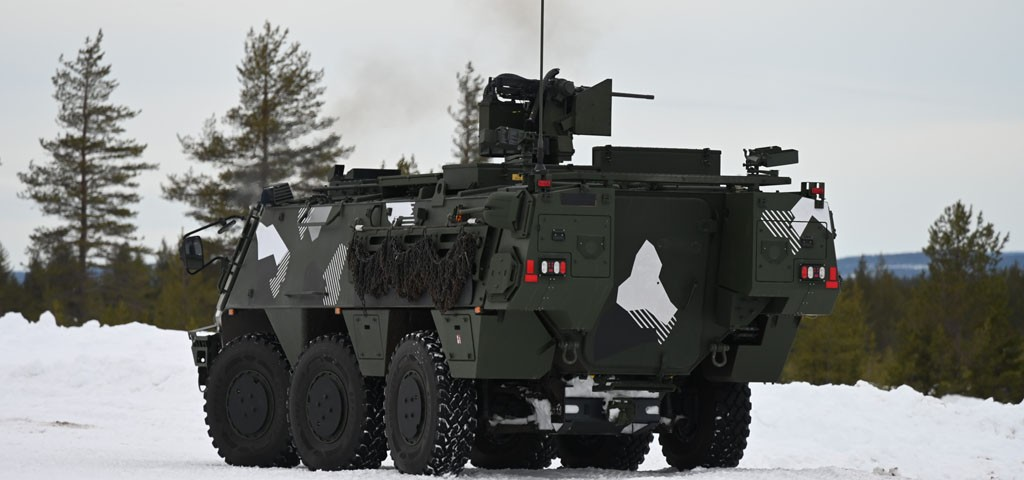
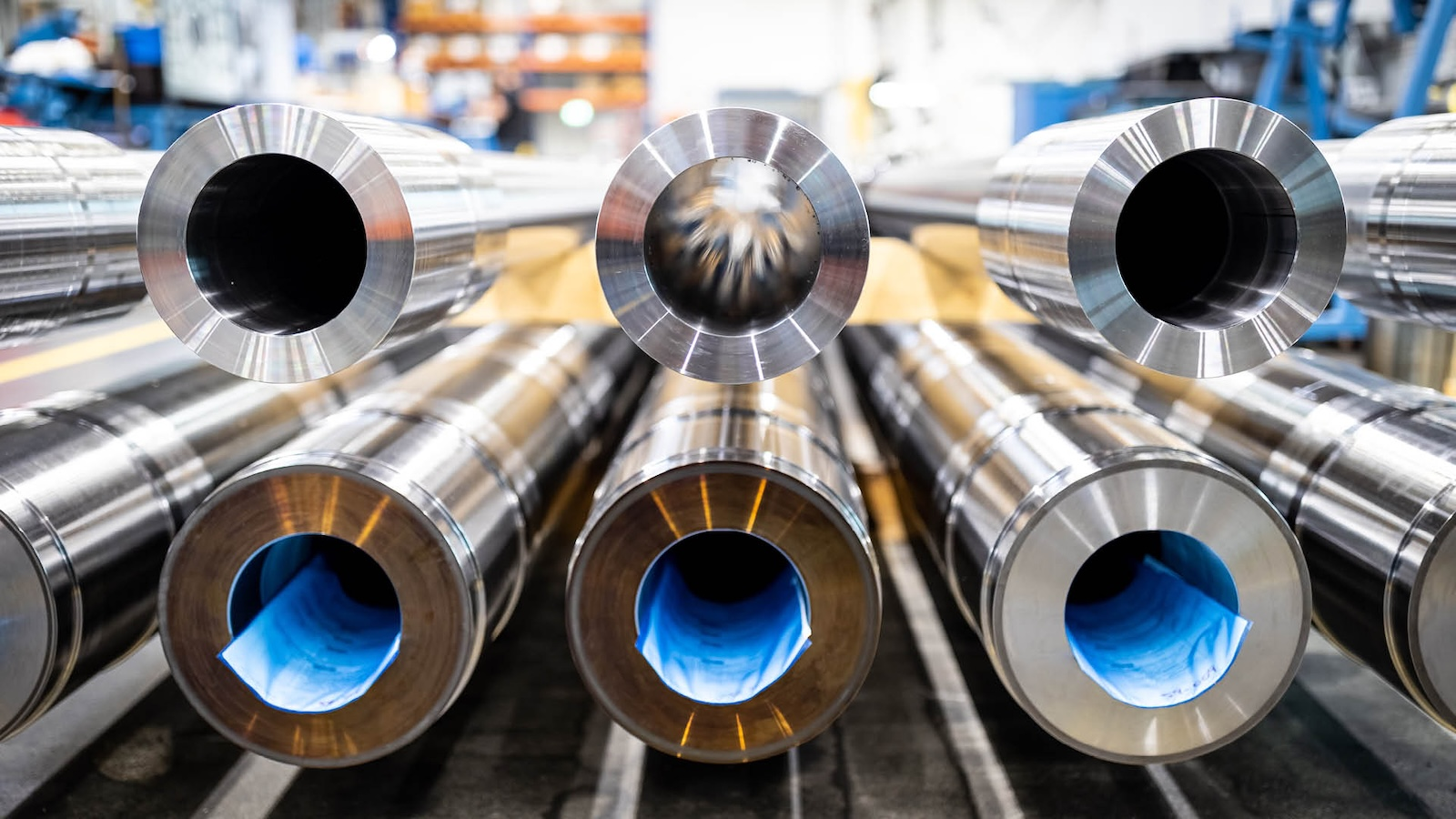
The new order will place broad production demand on Huta Stalowa Wola and its supply base. Self-propelled artillery production involves armoured hull work, turret assembly, gun manufacture, recoil systems, fire-control equipment, communications, navigation, power systems, automotive components, tracks, hydraulic systems, and acceptance testing. Support vehicles add further manufacturing requirements across ammunition carriers, command vehicles, repair platforms, and recovery equipment.
The ammunition contract may prove even more demanding. Europe’s 155 mm shortage has exposed constraints in shell bodies, explosive fill, propellant charges, fuzes, packaging, storage, inspection, and qualified labour. A contract for several hundred thousand rounds gives Polish suppliers demand certainty, but it also requires upstream capacity in materials, machining, energetics, metal forming, and safety-controlled production.
The wider artillery market is already moving towards range, volume, and manufacturing resilience. Work on 155 mm base bleed and range extension showed how suppliers are trying to improve projectile performance while rebuilding output. Poland’s contracts sit at national procurement scale, where the challenge is not only better ammunition, but enough qualified ammunition to sustain modern firing rates.
EU SAFE financing gives the package another layer. Defence procurement in Europe is increasingly being used to rebuild industrial capacity after years of low-volume ordering. For manufacturers, loans and coordinated financing can support investment in equipment, workforce, tooling, and sub-tier suppliers. For governments, the harder task is ensuring that public finance creates enduring output rather than short bursts tied to immediate political urgency.
Poland’s pace across land systems has been unusually fast. Tanks, infantry fighting vehicles, artillery, air defence, and munitions are all being refreshed or expanded. That gives Warsaw mass on NATO’s eastern flank, but it also creates sustainment complexity. Different vehicle families, ammunition types, electronics, support systems, and supplier networks require maintenance training, depot capacity, software support, spare parts, and predictable budgets.
The Krab order also strengthens Europe’s distributed artillery base. NATO cannot rely on a narrow set of factories for 155 mm systems and ammunition while demand remains high in Ukraine and national stockpiles require replenishment. Polish capacity gives the alliance another production centre, particularly if ammunition output expands alongside platform delivery.
Manufacturers will now have to convert the contracts into factory tempo. Delivering 96 howitzers by 2030, while producing several hundred thousand rounds, requires stable supply chains, skilled welders and machinists, qualified energetics workers, test ranges, inspection capacity, and configuration control. The order confirms Poland’s direction. Output will show whether Europe’s artillery rebuild is becoming an industrial base rather than a procurement backlog.