IN Brief:
- Rolls-Royce’s AE 3007N engine powered the MQ-25A Stingray through a two-hour first flight.
- The unmanned aircraft completed autonomous taxi, take-off, flight manoeuvres, and landing.
- Rolls-Royce expects to deliver four more AE 3007N engines to Boeing in 2026 for production spares.
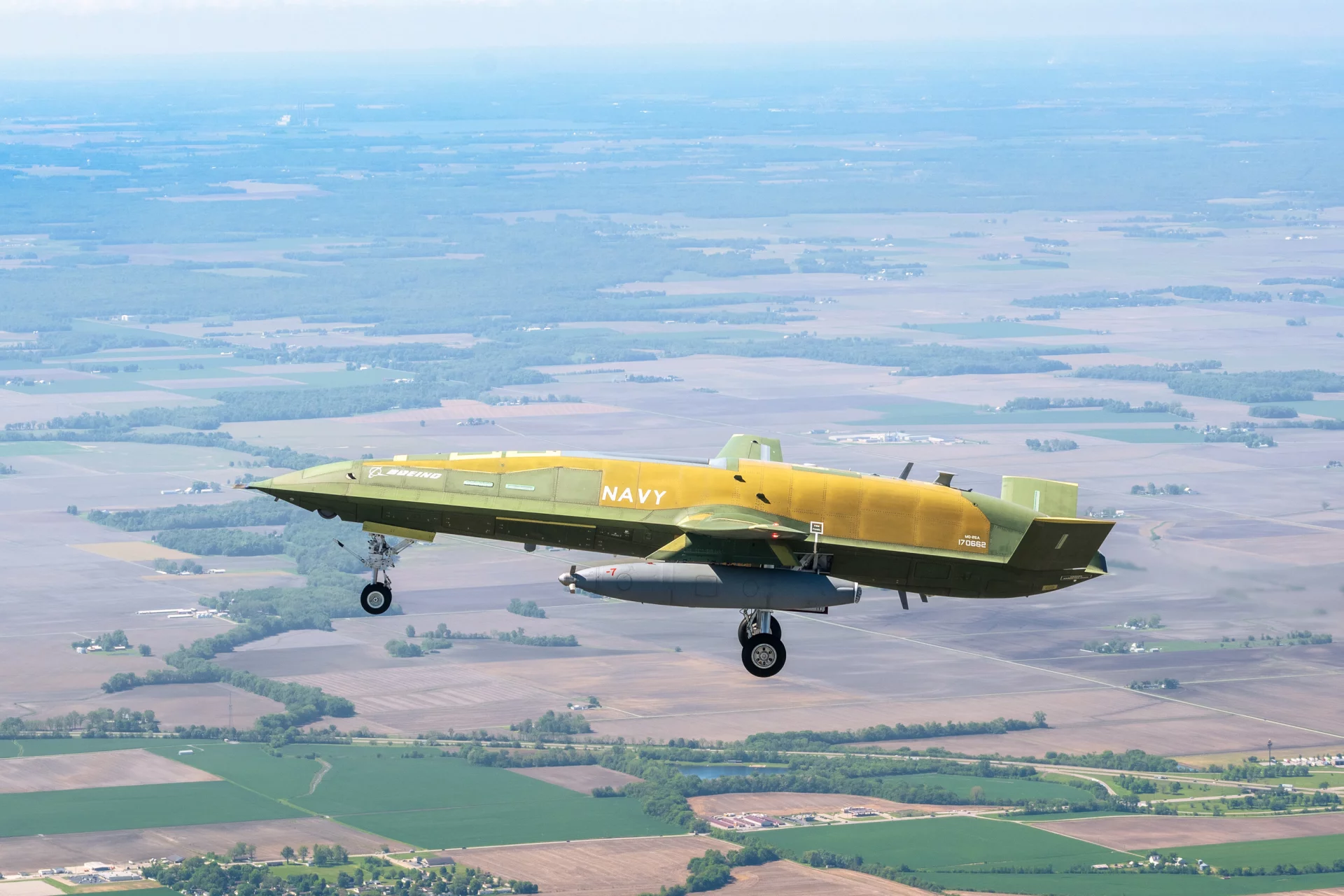
Rolls-Royce has powered the first flight of the US Navy’s MQ-25A Stingray, advancing the unmanned carrier-based refuelling aircraft toward Milestone C and aircraft carrier integration testing.
The MQ-25A completed a two-hour flight on April 25, autonomously executing a digitally programmed mission plan covering taxi, take-off, flight manoeuvres, and landing. The flight validated integration between the aircraft, Rolls-Royce AE 3007N engine, and the MD-5 ground control station used to link the platform.
The aircraft is primarily intended for aerial refuelling, extending the range of the carrier air wing and allowing carrier strike groups to operate at greater distance from threats. It is also equipped for intelligence, surveillance, and reconnaissance missions.
A single AE 3007N engine powers the Stingray. The engine’s high-bypass-ratio architecture supports low specific fuel consumption, a central requirement for long-endurance carrier-based operations.
Engine supply moves into programme infrastructure
Rolls-Royce expects to deliver four additional AE 3007N engines to Boeing in 2026 to support production spares. The MQ-25A programme of record covers 76 aircraft plus spare engines.
Propulsion reliability will shape fleet acceptance. The engine must support long-endurance profiles, maritime operating conditions, deck handling cycles, and the sustainment rhythm of deployed carrier aviation.
Mature propulsion reduces integration risk
The AE engine family already powers multiple commercial and military platforms, with more than 7,500 American-made engines delivered and over 90 million flight hours accumulated. That gives the MQ-25A programme a propulsion base with established manufacturing, maintenance, repair, and supply-chain depth.
The next stage is carrier suitability, logistics support, spares planning, and repeatable production. Boeing, Rolls-Royce, and the US Navy now move from flight-test validation toward the industrial routine needed to support an unmanned tanker fleet at carrier scale.