IN Brief:
- Serco has retained its Navigation Training Services contract with the New Zealand Defence Force.
- Its responsibilities include specialist instruction, simulation, and professional development.
- The agreement comes as New Zealand prepares to replace most of its naval fleet by the mid-2030s.
Serco has retained its Navigation Training Services contract with the New Zealand Defence Force, extending a commercial relationship supporting specialist maritime instruction and the professional development of naval personnel.
The renewed agreement continues a partnership established in October 2019. Serco’s responsibilities include bridge warfare officer instruction, simulator-based training, leadership development, maritime resource management, and specialist navigation courses.
The British government services group confirmed the contract renewal on 24 November without disclosing its financial value or duration. The agreement maintains continuity across existing training services as New Zealand prepares for a substantial programme of naval equipment and infrastructure modernisation.
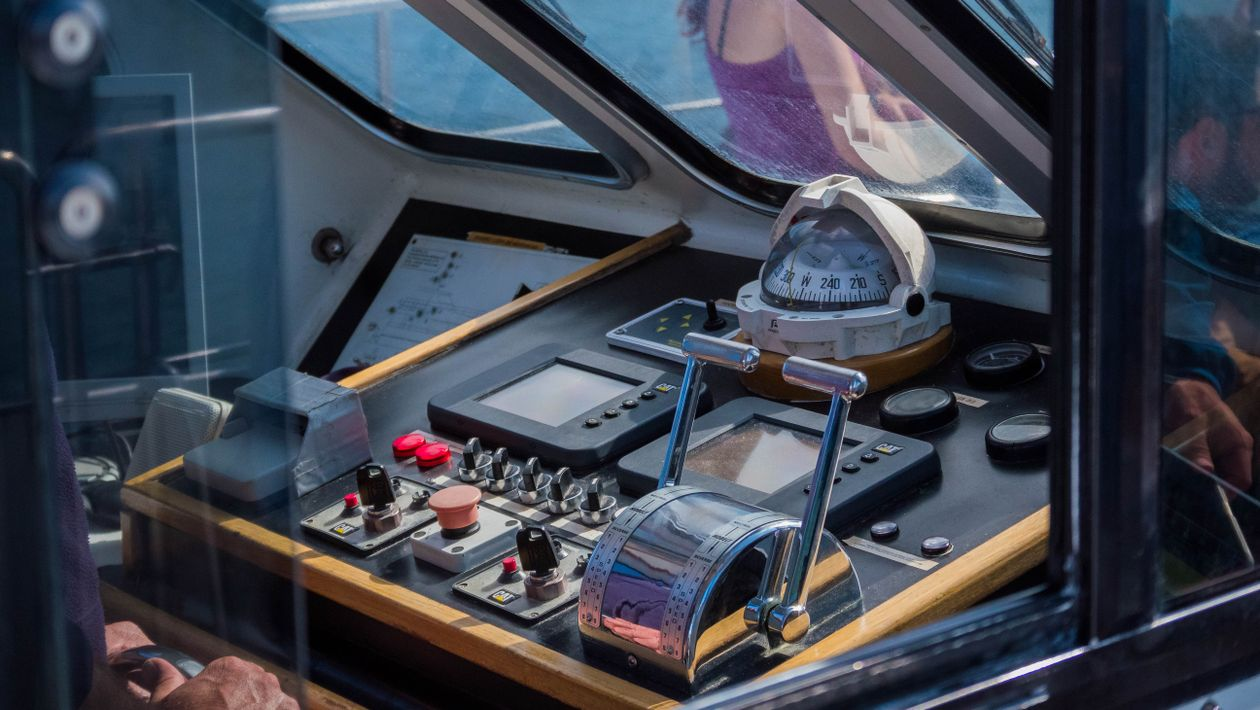
Devonport Naval Base in Auckland, the principal base of the Royal New Zealand Navy, incorporates specialist simulation facilities alongside conventional classrooms and workshops. Its bridge simulators reproduce the working environments of different vessels, allowing instructional programmes to accommodate a varied naval fleet.
The use of simulation reduces the extent to which training schedules depend on the availability of individual ships. Personnel can undertake selected instructional activities ashore before progressing to further practical training, while vessels remain available for maintenance and other commitments.
Serco’s contract covers the professional services supporting that educational environment, rather than the procurement of replacement ships or simulation equipment. Qualified instructors and established training programmes remain necessary to translate investment in simulation infrastructure into a sustainable personnel development capability.
New Zealand’s forthcoming fleet modernisation will introduce additional requirements for both training infrastructure and specialist personnel. The country’s 2025 Defence Capability Plan identified maritime investment as a major element of its proposed equipment renewal programme.
According to the Ministry of Defence, most vessels currently operated by the Royal New Zealand Navy will reach the end of their design lives between 2032 and 2036. The principal exception is the sustainment vessel HMNZS Aotearoa, which entered service in 2020.
The ministry has established a Maritime Fleet Renewal programme to assess options for replacing that equipment. Its work encompasses the future composition of the fleet and the industrial arrangements required to support it throughout its service life.
New Zealand is also examining life extensions for its two Anzac-class frigates, HMNZS Te Kaha and HMNZS Te Mana. Technical studies indicate that their service lives could potentially be extended into the mid-2030s, maintaining existing capabilities and specialist workforce requirements while the replacement programme progresses.
That transitional period will require naval personnel and training providers to retain expertise associated with established vessels while preparing for equipment introduced through subsequent procurement decisions. The characteristics of future ships and their onboard systems will determine the extent to which existing instructional resources can be adapted.
New Zealand’s defence industrial strategy has identified fleet renewal as an opportunity to reconsider how maritime equipment is supported. Its proposed approach encompasses greater use of digital technology, changes to maintenance models, and investment in industrial infrastructure.
The introduction of new sustainment arrangements may also affect the training requirements of engineering personnel. Maintenance organisations will need access to the relevant technical information, instructional facilities, and qualified staff as equipment acquired through the renewal programme enters service.
Investment in personnel development therefore extends across the organisations responsible for operating and supporting naval platforms. Commercial training providers form part of that industrial environment alongside equipment manufacturers, engineering contractors, and government educational organisations.
New Zealand has also been strengthening defence relationships with Australia and other international partners. Common equipment procurement and associated support arrangements can create opportunities for shared training resources, although individual national customers retain responsibility for professional qualifications and the requirements applicable to their own personnel.
Serco’s wider regional defence portfolio includes specialist engineering, training, and equipment support services. Its established presence in New Zealand provides a domestic commercial relationship through which the company can deliver the naval instruction covered by the renewed contract.
The company has not confirmed whether the new agreement incorporates services associated specifically with the Maritime Fleet Renewal programme. Its disclosed responsibilities remain centred on the existing Navigation Training Services requirements.
That distinction separates the confirmed contract from prospective industrial opportunities arising from New Zealand’s future equipment investment. Changes to the scope of training services would depend on subsequent procurement decisions and any contractual arrangements established to accommodate new vessels.
With the country’s maritime modernisation programme expected to extend into the next decade, maintaining existing instructional capability remains a continuing requirement. Serco’s renewed agreement will preserve the established training relationship while New Zealand’s Ministry of Defence develops its longer-term plans for naval procurement, infrastructure, and workforce development.