IN Brief:
- The US has cleared an expanded AGM-114R Hellfire package for Singapore worth $22.3m.
- The package includes missiles, spares, software verification, launcher reprogramming, and test-kit work.
- The order reinforces the support burden around mature precision weapons and Apache sustainment.
Singapore’s expanded Hellfire missile package adds a modest number of weapons to its inventory, but the surrounding support work is where the industrial weight sits.
The US has cleared a $22.3m foreign military sale covering 24 AGM-114R Hellfire missiles, bringing Singapore’s total planned supply to 67 units when combined with a previous request for the same weapon family. The package also includes spare parts support, launcher reprogramming, software verification, adjustments to Hellfire missile test equipment, technical manuals, training, unguided munitions, flares, and programme support.
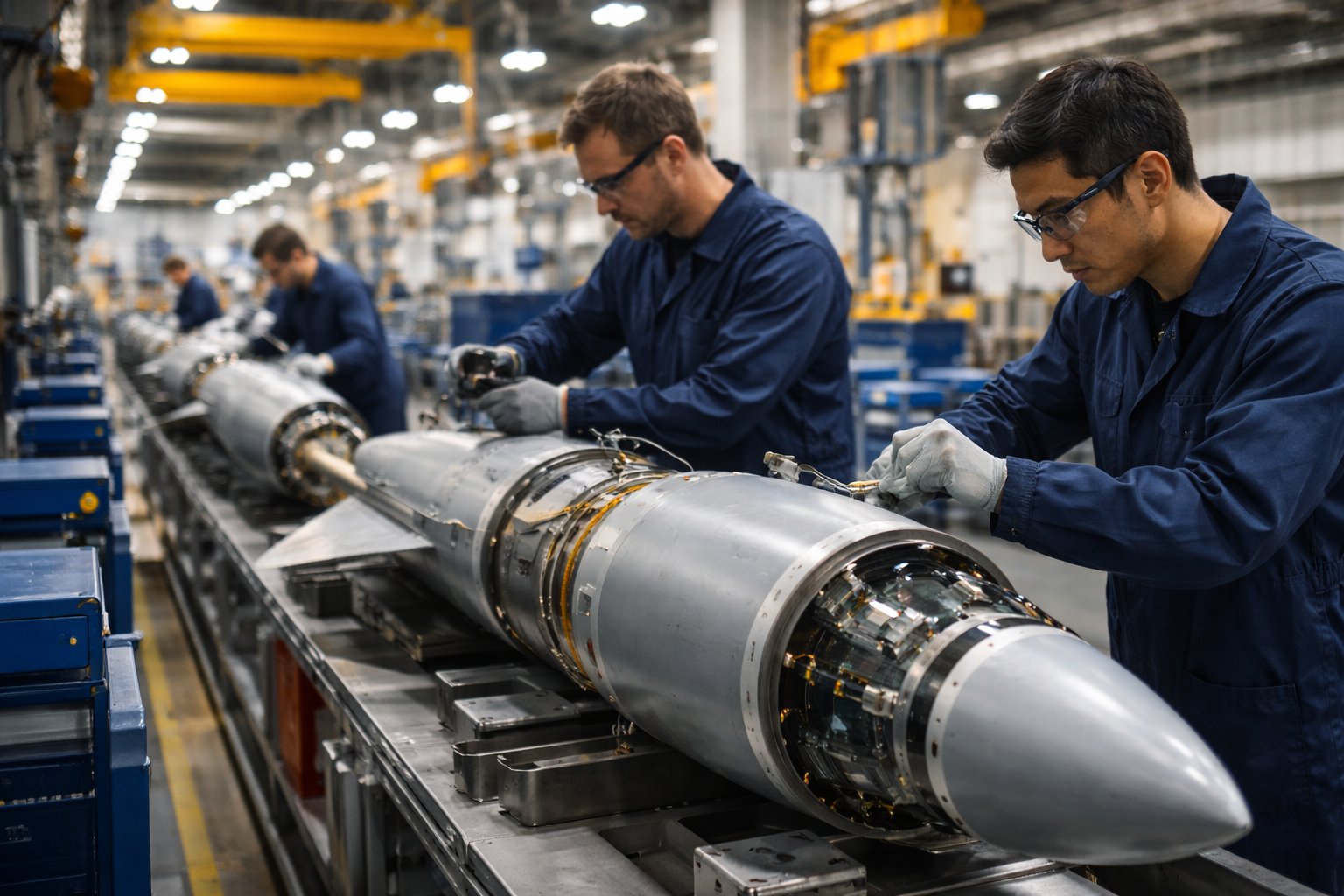
That mixture reflects how precision weapons are sustained in service. Missiles do not sit apart from the aircraft that carry them, the launchers that interface with them, or the ground equipment used to test them. Each round belongs to a controlled chain of software states, electrical interfaces, safety procedures, manuals, storage requirements, and training processes. If one part of that chain drifts, the operational value of the weapon stock falls.
The AGM-114R is the multi-purpose variant of the Hellfire family, widely associated with rotary-wing platforms including the AH-64 Apache. Singapore’s Apaches give the country an established precision-strike capability, particularly across littoral and regional security environments where attack helicopters can support deterrence, maritime approaches, and close combat missions. Keeping those aircraft armed and current depends on repeated small configuration decisions rather than a single dramatic upgrade.
Launcher reprogramming gives the clearest view of that hidden workload. The M299 launcher is not simply a carriage rail; it is an electronic interface between aircraft and missile. When missile variants, software standards, or test equipment change, the launcher and support system may need to be updated as well. That work requires configuration discipline, technical data, approved procedures, and personnel able to handle both aviation and weapons-safety requirements.
Singapore has pursued a similar pattern across other air capabilities, with mature aircraft receiving focused survivability and support upgrades rather than being treated as static assets. The country’s F-16 electronic countermeasure pod activity followed the same logic: established platforms remain useful when weapons, defensive aids, software, and support equipment are kept aligned with the threat environment.
For aerospace manufacturers and weapons suppliers, mature platforms continue to generate technically demanding work. Apache sustainment involves airframe maintenance, avionics support, engine work, weapons integration, ground equipment, training, and stockpile management. The missile order may be small, but the support package touches multiple parts of that ecosystem.
The software element also deserves attention. Precision weapons increasingly depend on controlled software baselines, verification tools, and test procedures that can be difficult to manage across international users. A customer needs confidence that a missile can be stored, checked, loaded, recognised by the aircraft, authorised through the launcher, and employed safely within its intended envelope. That confidence is built through a support architecture, not through the missile alone.
Regional demand adds pressure. Indo-Pacific customers are strengthening air and missile capabilities while extending the life of existing aircraft fleets. Attack helicopters remain relevant for a range of missions, but they depend on weapon availability and integration reliability at a time when global munitions production is under strain. Even relatively small foreign military sales contribute to demand across motors, seekers, electronics, warhead sections, assembly capacity, and test infrastructure.
For Singapore, the package preserves and extends a known strike capability. For industry, it underlines the continuing value of sustainment work around weapons that have already been integrated and operationally accepted. Production lines may attract attention, but the long-term burden lies in keeping inventories serviceable, software-current, and compatible with the platforms that use them.
The order is therefore best read as a maintenance of combat relevance. Singapore is adding weapons, but it is also buying the technical scaffolding needed to keep those weapons usable. In modern aerospace defence, that supporting work is often where readiness is won or lost.