IN Brief:
- USSOCOM purchased TEKEVER uncrewed aerial systems following multi-site flight testing, validation, acceptance activities and operator training.
- The manufacturer has not disclosed aircraft model, configuration, order size, contract value or delivery schedule.
- TEKEVER describes a modular architecture combining an air vehicle, mission payloads, communications and AI-enabled mission software.
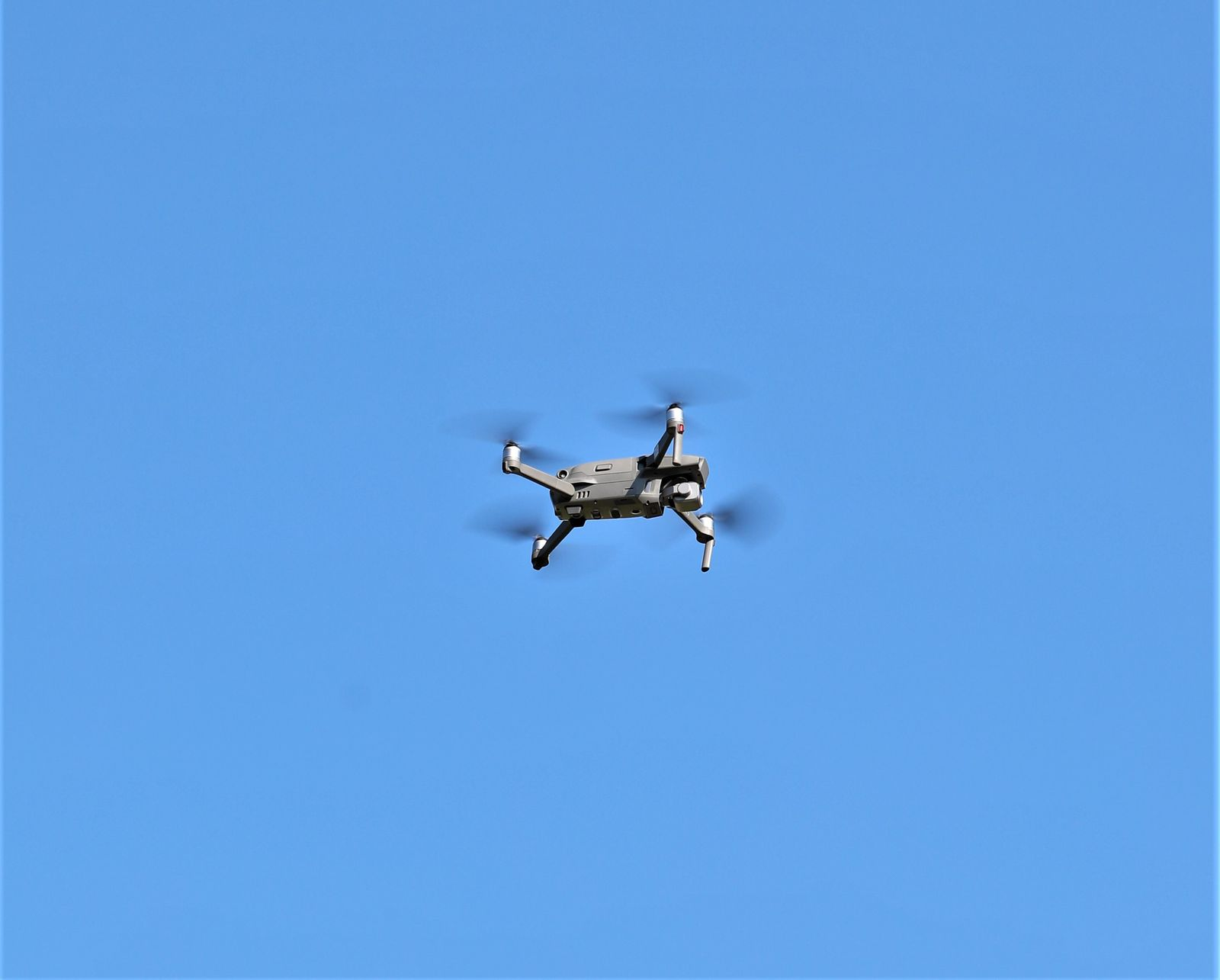
United States Special Operations Command (USSOCOM) has purchased uncrewed aerial systems from TEKEVER following flight trials, validation, acceptance testing and training. The Portuguese-British defence technology company says the systems will provide intelligence, surveillance and reconnaissance capabilities in demanding environments. It has not identified the aircraft model, number of systems purchased, individual configurations or contract value.
Flight testing took place at several locations before the purchase, supported by training activity and a development process that uses feedback from successive trials. TEKEVER has not identified the sites, total flight hours, acceptance criteria or measured sensor performance. Endurance, operating range and payload specifications published for the company’s wider product portfolio therefore cannot be assumed to describe the aircraft supplied to USSOCOM.
A purchase following acceptance testing takes the relationship beyond a demonstration, but customer procurement and operational deployment are distinct steps. TEKEVER has not disclosed a delivery timetable or said whether every ordered air vehicle has been handed over. The balance between aircraft, payloads, ground equipment and continuing support within the agreement also remains unspecified.
TEKEVER’s disclosed architecture combines an air platform with mission-specific payloads, communications equipment and artificial intelligence-enabled mission software. The modular approach is designed to allow different combinations of sensing and information-processing equipment to support reconnaissance missions. Because the model ordered is undisclosed, characteristics published for individual TEKEVER products cannot reliably be assigned to the USSOCOM purchase.
Airborne surveillance depends on reliable connections between the sensor payload, onboard processing, communications links and receiving operators. Optical or other mission sensors collect observations, while the communications system transfers the information for analysis and possible onward distribution. AI-enabled software may assist with organising or processing that data, but performance depends on the quality of the inputs and the limits of the installed computing and communications equipment. TEKEVER has not published accuracy figures for the mission software in this purchase.
Surveillance aircraft also have to balance payload mass, power demand and the constraints of the air vehicle itself. Changing a sensor may alter the electrical load, equipment cooling requirement, aircraft balance or endurance, and additional data processing can increase demand on computing and communications equipment. A modular design can simplify substitution at defined interfaces, but it does not eliminate the verification needed when the aircraft is operated in a changed configuration.
The flight programme took place in multiple locations, but its environmental conditions and individual test results have not been published. Flight testing can assess aircraft handling, mission-system behaviour and operator workload under specified conditions that differ from ground tests. The available information does not establish qualification for every climate, launch method, payload combination or contested communications environment.
During acceptance, a customer assesses a specified configuration against the agreed requirements, while operator and maintainer training addresses its authorised use and support. TEKEVER confirms that acceptance testing and training occurred, but has not detailed the test plan, curriculum or number of personnel trained. Consequently, neither particular mission payloads nor a defined number of qualified operators can be attributed to the order.
TEKEVER uses trial data to make successive engineering revisions. Changes to software, onboard electronics, user interfaces or payload integration must be tracked so the configuration fielded to a customer remains identifiable. The company has not specified which revisions resulted from the USSOCOM evaluation, or whether a later product release has entered a separate customer acceptance cycle.
TEKEVER says it retains engineering, manufacturing, software development, artificial intelligence and operational support within a vertically integrated organisation. Such a structure can shorten communication between development teams and those supporting the aircraft, while also placing responsibility for configuration control, manufacturing traceability and product support within the same business. The company has not provided output figures or indicated whether USSOCOM procurement requires new production capacity.
The supplier has an established presence in Fayetteville, North Carolina, supporting its relationship with US defence and security customers. That presence does not demonstrate that the purchased aircraft were manufactured in the United States, nor does it identify the division of manufacturing and support responsibilities between TEKEVER facilities. No US industrial participation or local-content requirement was disclosed with the award.
Ground control equipment, protected communications and the management of collected surveillance data are integral to operating an uncrewed reconnaissance system. The aircraft’s declared modular design does not identify the security controls or ground stations supplied under this order, and it does not establish that particular network interfaces have been certified. Neither the spare-parts allocation nor the length of contracted operational support has been disclosed.
TEKEVER demonstrated an AR3 aircraft during a USSOCOM exercise at Camp Roberts in March 2025, but the latest purchase has not been assigned to the AR3 or any other named aircraft. The confirmed customer commitment follows multi-site evaluation and training; the purchased configuration and delivery programme remain undisclosed. Further reporting on fleet size or manufacturing allocation will require details not included in the October procurement information.