IN Brief:
- Australia will invest $2.3bn over the decade in a second long-range fires regiment at Edinburgh Defence Precinct.
- The package selects HIMARS and the Precision Strike Missile, extending Army strike ranges from 500 km toward more than 1,000 km with future PrSM increments.
- The programme strengthens Australia’s sovereign missile manufacturing push, with local industry participation planned across GMLRS and PrSM supply chains.
Australia has selected the High Mobility Artillery Rocket System and Precision Strike Missile for a second long-range fires regiment, committing $2.3bn over the decade to expand Army’s land-based strike capability.
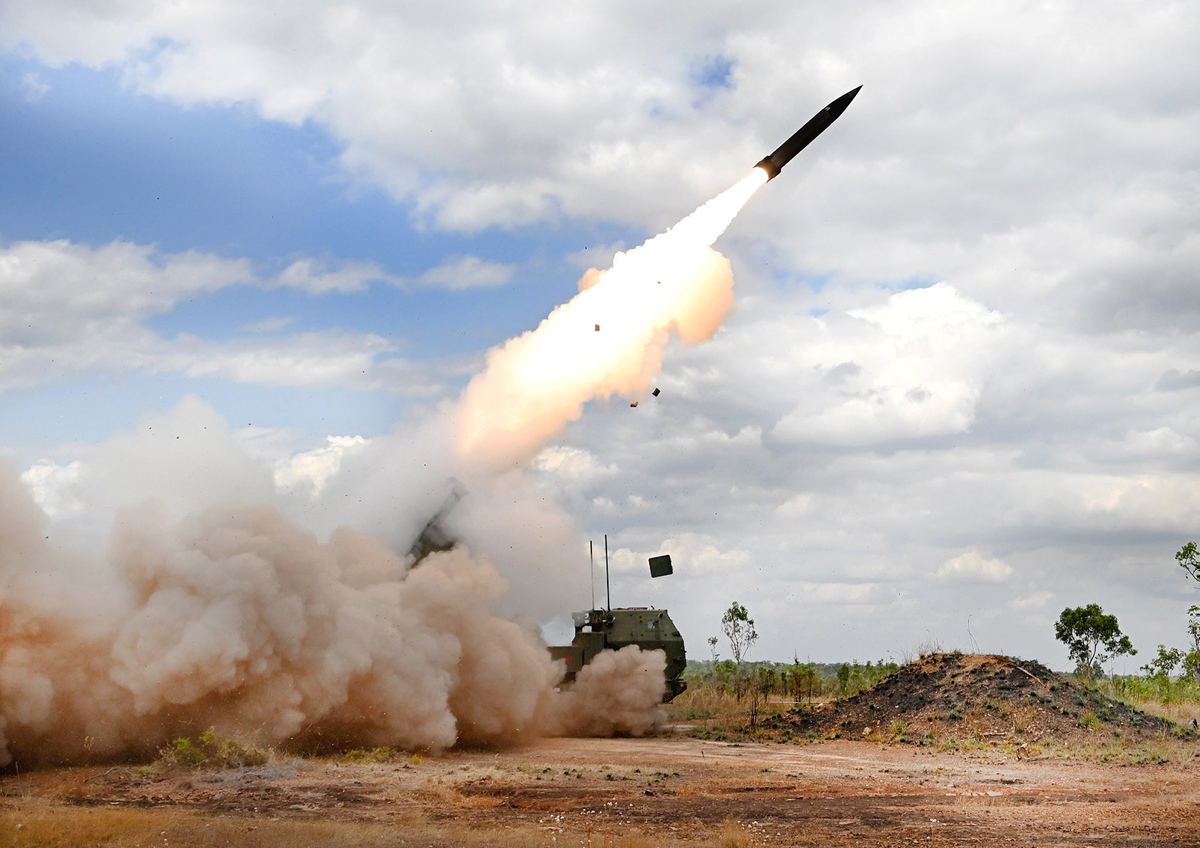
The new regiment will be based at Edinburgh Defence Precinct in South Australia and will complement Army’s existing HIMARS capability. Australia has already brought HIMARS into service through its first long-range fires regiment, with the launcher used during Exercise Talisman Sabre 25 to fire a Precision Strike Missile ahead of the original schedule.
Current PrSM capability gives Army the ability to engage targets at ranges of up to 500 km, with later increments expected to push that reach beyond 1,000 km. The second regiment adds depth to Australia’s long-range land fires architecture as Canberra prioritises strike, targeting, and munitions production across the Indo-Pacific.
The investment forms part of a wider national funding line for targeting and long-range strike. Australia’s 2026 Integrated Investment Program allocates up to $37bn over the next decade for capabilities spanning Navy, Army, and Air Force targeting, strike, and enabling data systems.
Manufacturing and missile supply
Launcher acquisition will create sustained demand for guided munitions, propulsion systems, electronics, warhead integration, quality assurance, and specialist handling of energetic materials. Australia is establishing a sovereign missile manufacturing industry that includes missiles fired from HIMARS, reducing reliance on long international supply chains for high-consumption guided weapons.
The first Australian-made Guided Multiple Launch Rocket System missile was test-fired by an Australian HIMARS this month. The GMLRS line gives Canberra a practical starting point for domestic production, while the PrSM cooperative programme with the United States provides a pathway toward local manufacture of longer-range weapons.
Australian industry participation is expected across both missile supply chains, including locally manufactured components and sub-components. The launcher decision therefore creates a broader production requirement across munitions assembly, test infrastructure, certification, storage, and sustainment.
Production pressure and integration
Long-range fires programmes depend on more than launcher numbers. Stockpile depth, qualified suppliers, test ranges, software configuration control, transporter logistics, and sustainment arrangements determine whether the capability can be generated at scale.
Australia’s 2029 objective for thousands of locally produced missiles a year will require stable component supply, trained technical labour, and a certification regime able to match US standards while supporting Australian operational requirements.
The second fires regiment gives the domestic missile base a clearer demand curve. It also places Australian manufacturers deeper into allied missile supply chains, where production capacity is becoming as strategically important as platform performance.