IN Brief:
- Norway is receiving its first Leopard 2A8NOR tanks, becoming the first foreign operator of the latest Leopard 2A8 variant.
- The programme covers 54 tanks, with deliveries planned from 2026 to 2028.
- KNDS and RITEK are expanding European heavy-armour production capacity, while Kongsberg supports electronic system modernisation.
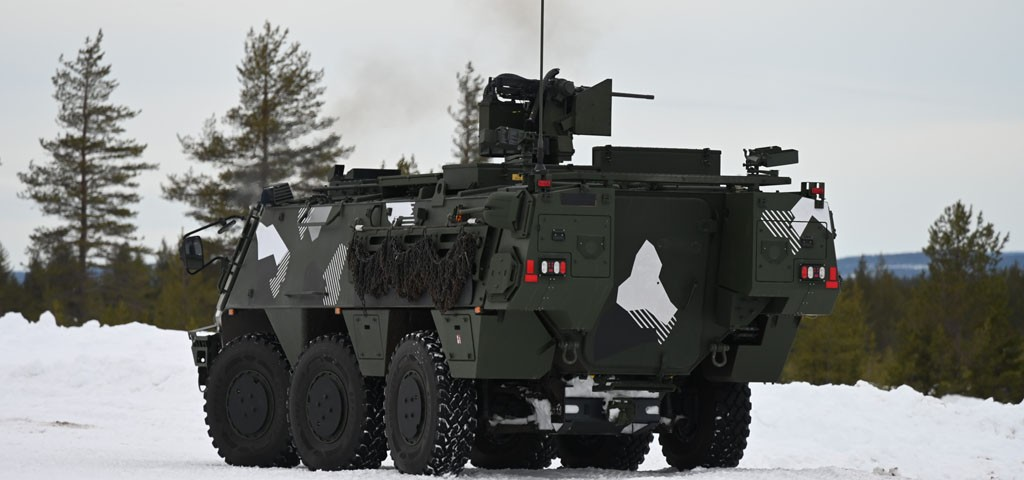
Norway is receiving its first Leopard 2A8NOR main battle tanks from Germany, moving the programme from industrial rollout into initial fielding with the Norwegian Army.
The tanks were produced in Germany and shipped through Kiel before onward movement to Norway. The full programme covers 54 Leopard 2A8NOR vehicles, with deliveries scheduled across 2026 to 2028. The order replaces Norway’s older Leopard 2A4 fleet and strengthens Brigade Nord as NATO rebuilds heavy land capability on the northern flank.
The Norwegian configuration is based on the latest Leopard 2A8 standard and includes country-specific requirements. The variant incorporates an active protection system and electronic system modernisation, with KNDS working with Kongsberg on digital architecture and data transfer inside the tank, as well as communication with other combat systems.
The Leopard 2A8 is also emerging as a shared European baseline. Standardisation across allied fleets can simplify training, ammunition planning, sustainment, and future upgrades, provided industry can maintain the required output.
European armour production capacity
The programme combines German production with Norwegian industrial participation. KNDS has stated that the majority of the 54 Norwegian tanks under contract will be manufactured by RITEK, its industrial partner in Norway, with know-how transfer intended to increase overall production capacity and deepen European cooperation.
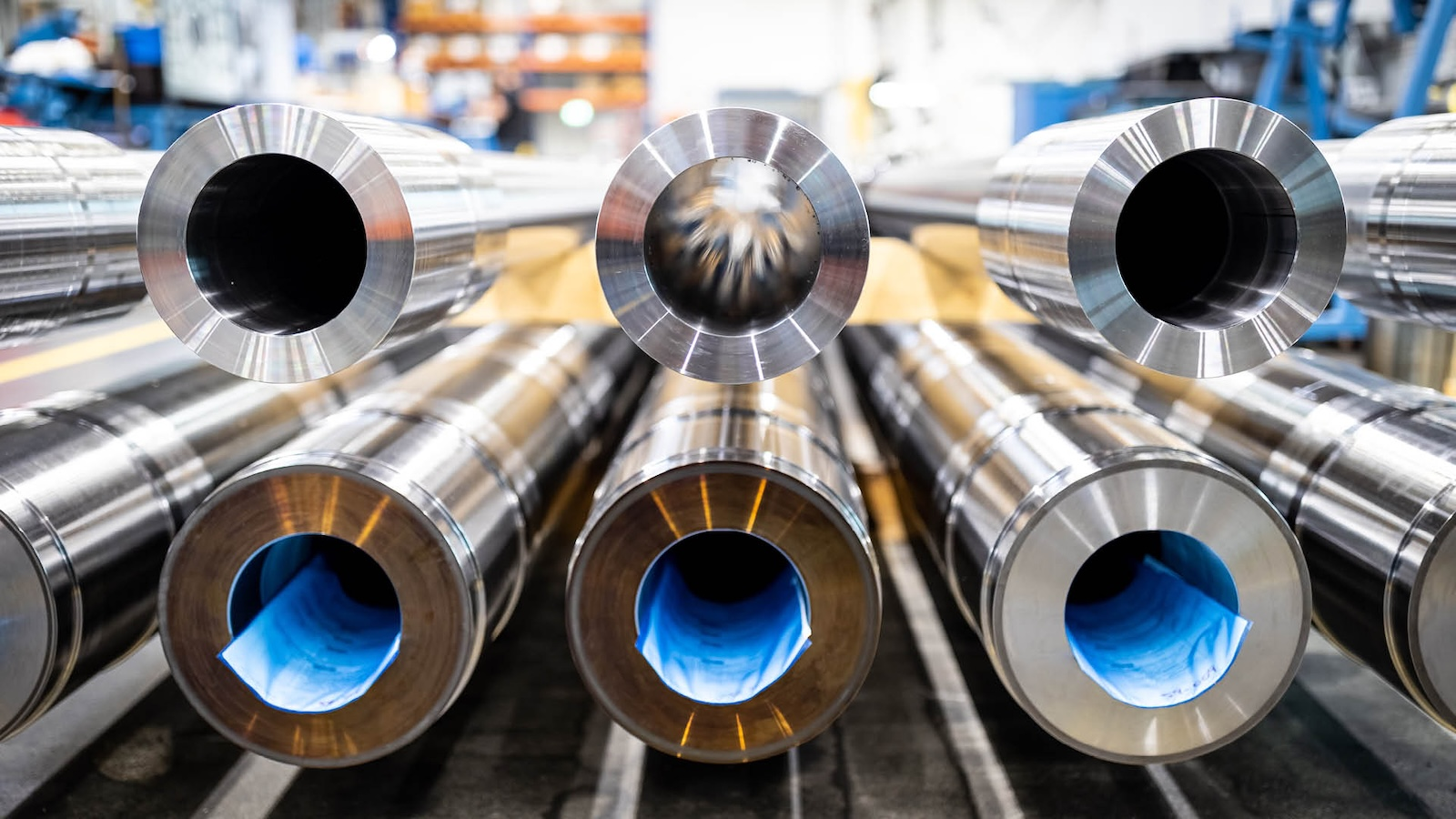
Demand for heavy armour has increased after years of limited new-build main battle tank production, while donations to Ukraine and NATO force-model commitments have exposed gaps in production depth. Rebuilding capacity depends on final assembly, welding, machining, armour integration, turret work, powerpack installation, electronics integration, test equipment, and qualified labour.
The Leopard 2A8NOR programme therefore acts as both a capability delivery and an industrial-capacity project. Local work in Norway can help reduce bottlenecks at prime-contractor level while giving Oslo greater control over sustainment knowledge and future upgrade paths.
Integration and sustainment pressure
Modern main battle tank production is no longer dominated by armour and firepower alone. Active protection, digital battle management, networked communications, electronic architecture, and sensor fusion now create a complex integration load before a vehicle can be accepted by the customer.
Kongsberg’s role in electronic system modernisation gives Norway a domestic stake in that integration chain. Data transfer inside the vehicle and communication with other combat systems will be central to the Leopard’s role in a NATO brigade, particularly in dispersed operations where armour must share targeting and situational data with artillery, drones, air defence, and command networks.
The production challenge is to keep that integration repeatable across the fleet. The first vehicles provide an early marker, but the decisive test will be whether KNDS, RITEK, and suppliers can maintain delivery pace, configuration discipline, and support readiness through the full 54-tank programme.