IN Brief:
- Kinetic7 has begun discussions around integrating hydrogen-on-demand technology into US defence and federal markets.
- The company’s systems generate hydrogen at point of use, avoiding high-pressure hydrogen storage.
- Defence applications could include expeditionary cooking, base camp thermal systems, emergency response, and fuel-logistics reduction.
Kinetic7 is targeting US defence and federal markets with hydrogen-on-demand technology that generates gas at the point of use rather than transporting or storing hydrogen.
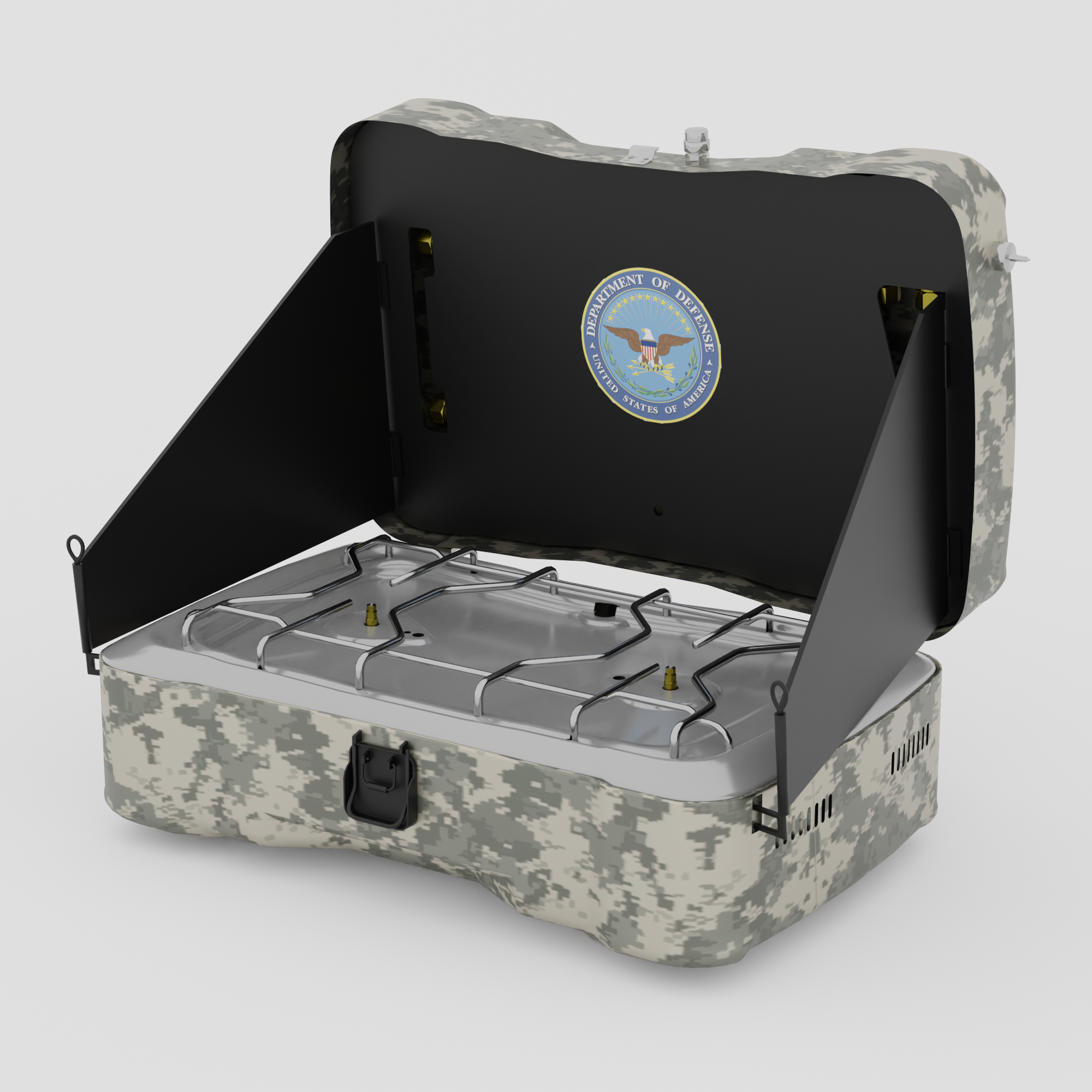
The Abu Dhabi-based company, with offices in the UK, Australia, Italy, and the US, has developed portable and larger-format systems built around on-site hydrogen generation. Its current product family includes Nomad and Tribe portable cook stoves, as well as larger HODbox systems for commercial and residential applications.
The defence proposition is focused on energy logistics in austere environments. Producing hydrogen only when needed reduces dependence on stored fuels, pressurised hydrogen infrastructure, diesel or propane resupply, and convoy-based fuel movement.
Initial defence use cases are likely to sit around thermal functions rather than platform propulsion. Cooking, heating, deployable catering, base camp support, emergency response, humanitarian operations, and disaster relief all create recurring demand for portable energy without adding more liquid-fuel storage.
Ruggedisation sets the qualification burden
Moving into defence markets requires a military-grade production and qualification path. Equipment must tolerate heat, dust, vibration, transport shock, intermittent power, rough handling, and field maintenance by non-specialist users.
The manufacturing work sits in materials selection, connectors, seals, control electronics, safety interlocks, maintainability, spares, and operator training. Field energy systems must also be simple enough to deploy at speed while meeting military safety and support standards.
Energy logistics becomes a force-protection problem
Fuel movement remains one of the most exposed parts of deployed operations. Every litre moved forward requires transport, storage, security, and personnel. Reducing stored fuel requirements for specific mission functions can shrink the logistics footprint even when liquid fuels remain essential elsewhere.
Kinetic7 is also in discussions with US engineering and manufacturing companies working in deployable support systems. Integration partners will be central to turning the hydrogen-on-demand core into rugged, certifiable, supportable equipment built to military and industrial standards.