IN Brief:
- The UK is preparing a major funding package for the Global Combat Air Programme.
- GCAP depends on advanced manufacturing, digital engineering, propulsion, sensors, weapons integration, and secure software architectures.
- Sustained funding would give suppliers greater confidence to invest in people, tooling, test infrastructure, and production-readiness.
The UK is preparing a major funding package for the Global Combat Air Programme as the sixth-generation fighter effort moves from early design activity toward a more demanding industrial phase.
GCAP is the UK-Japan-Italy programme intended to deliver a next-generation combat aircraft by 2035. The aircraft is being developed through Edgewing, the joint venture formed by BAE Systems, Leonardo, and Japan Aircraft Industrial Enhancement Co Ltd, with the company responsible for design, development, and delivery of the core aircraft programme. The first international contract, valued at £686 million, has already placed Edgewing at the centre of early design and engineering work.
A larger UK funding package would give the programme a firmer bridge from design studies and demonstrator work into sustained development. Combat aircraft programmes do not move neatly from paper design to production line. They pass through years of manufacturing process development, supplier qualification, test infrastructure build-out, systems integration, software validation, and engineering discipline around configuration control. Funding continuity gives those activities the oxygen they need.
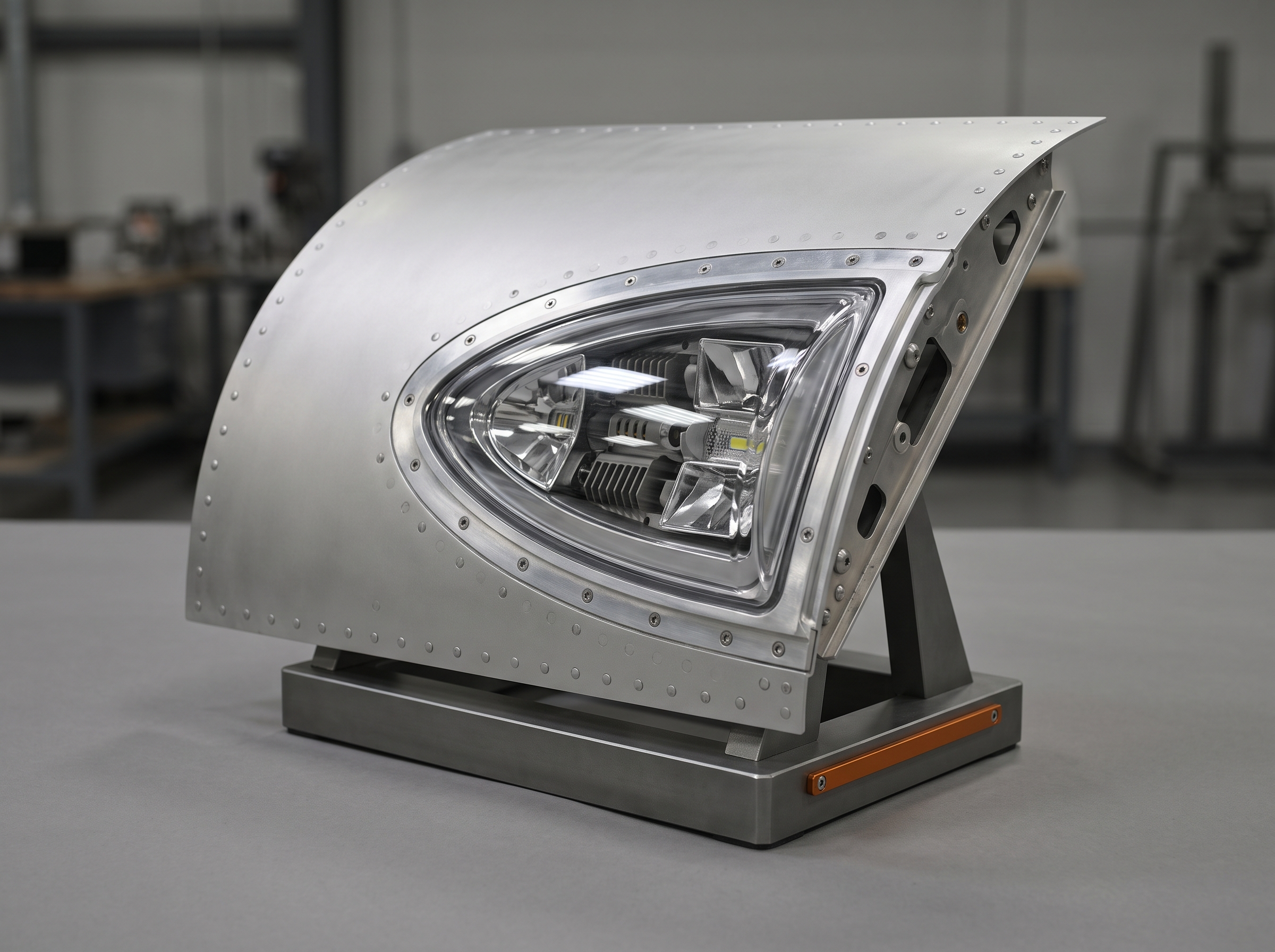
The UK’s combat air demonstrator work has already moved into physical manufacturing. BAE Systems has said that the aircraft’s main structure, wings, and tail fins are being built using robotic and digital manufacturing and assembly technologies at its Lancashire sites, with two thirds of the demonstrator’s structural weight in manufacture. That work is not a side project. It gives the supply chain a route to prove manufacturing methods, de-risk materials, test digital engineering assumptions, and train the workforce that will later support GCAP.
The first GCAP international work package started to turn the trilateral programme into contracted engineering activity. The next phase will need to convert that momentum into stable work for airframe structures, propulsion, mission computing, sensing, communications, actuation, low-observable materials, electronic warfare, and weapons integration. Each of those areas carries long-lead industrial requirements.
GCAP’s challenge is not limited to building an aircraft. A sixth-generation fighter is a system-of-systems programme, with software-defined mission functions, high-bandwidth data exchange, advanced sensors, non-kinetic effects, survivability features, and future teaming with uncrewed systems. Those capabilities will place heavy demands on electronics production, secure software pipelines, thermal management, test facilities, and the ability to update aircraft after entry into service.
The UK has strong industrial foundations in combat air, but continuity remains essential. Skilled labour, production tooling, test rigs, and specialist supplier capability cannot be recreated quickly once lost. Defence aerospace programmes are particularly exposed to stop-start funding because delays ripple through engineering teams, subcontractors, and certification activity. A pause in one area can reappear later as redesign, workforce churn, or a supplier that no longer has the capacity to respond.
The collapse of Aeralis, covered in Aeralis enters administration, showed how aerospace ambition can falter when capital, procurement certainty, and production routes fail to align. GCAP operates at a very different level of political and industrial weight, but the underlying lesson is still relevant: aerospace programmes need credible pathways from concept to manufacture, not isolated bursts of design activity.
International collaboration gives GCAP scale, but it also adds complexity. The UK, Japan, and Italy must align workshare, design authority, intellectual property, export policy, certification, security controls, and industrial investment. A fighter programme spread across three countries can build a stronger export and technology base, but it can also lose time if governance becomes fragmented. Edgewing’s role is designed to contain that risk by giving the programme a central industrial structure.
British suppliers will now be looking for clarity on work packages and long-term demand. Smaller companies working in advanced materials, sensors, secure electronics, precision components, and manufacturing software need early visibility before they invest in equipment and people. Prime contractors can carry more uncertainty, but their supply chains rarely can. The health of GCAP will therefore be measured not only by headline funding, but by how quickly that funding becomes executable industrial work.
The UK’s wider defence aerospace base is also investing in enabling technologies. Rolls-Royce’s defence additive manufacturing cell in Bristol underlines the shift toward advanced production methods for future military aircraft engine components. GCAP will draw on precisely that kind of capability: repeatable, high-integrity manufacturing linked to digital design and inspection.
A major funding decision would not remove the engineering risks from GCAP. The aircraft still has to move through design maturity, integration, test, certification, and production planning at a pace few combat air programmes achieve easily. It would, however, give the UK industrial base a clearer runway. In combat air, the cost of hesitation rarely stays hidden for long.