IN Brief:
- Airbus and Kawasaki Heavy Industries will study a Japanese anti-submarine warfare variant of the U950 Eurodrone.
- The work could combine European MALE UAV architecture with Japanese maritime sensors, effectors, and Kawasaki P-1 operations.
- A Japanese Eurodrone variant would test international production, sustainment, and mission-system workshare around long-endurance unmanned aircraft.
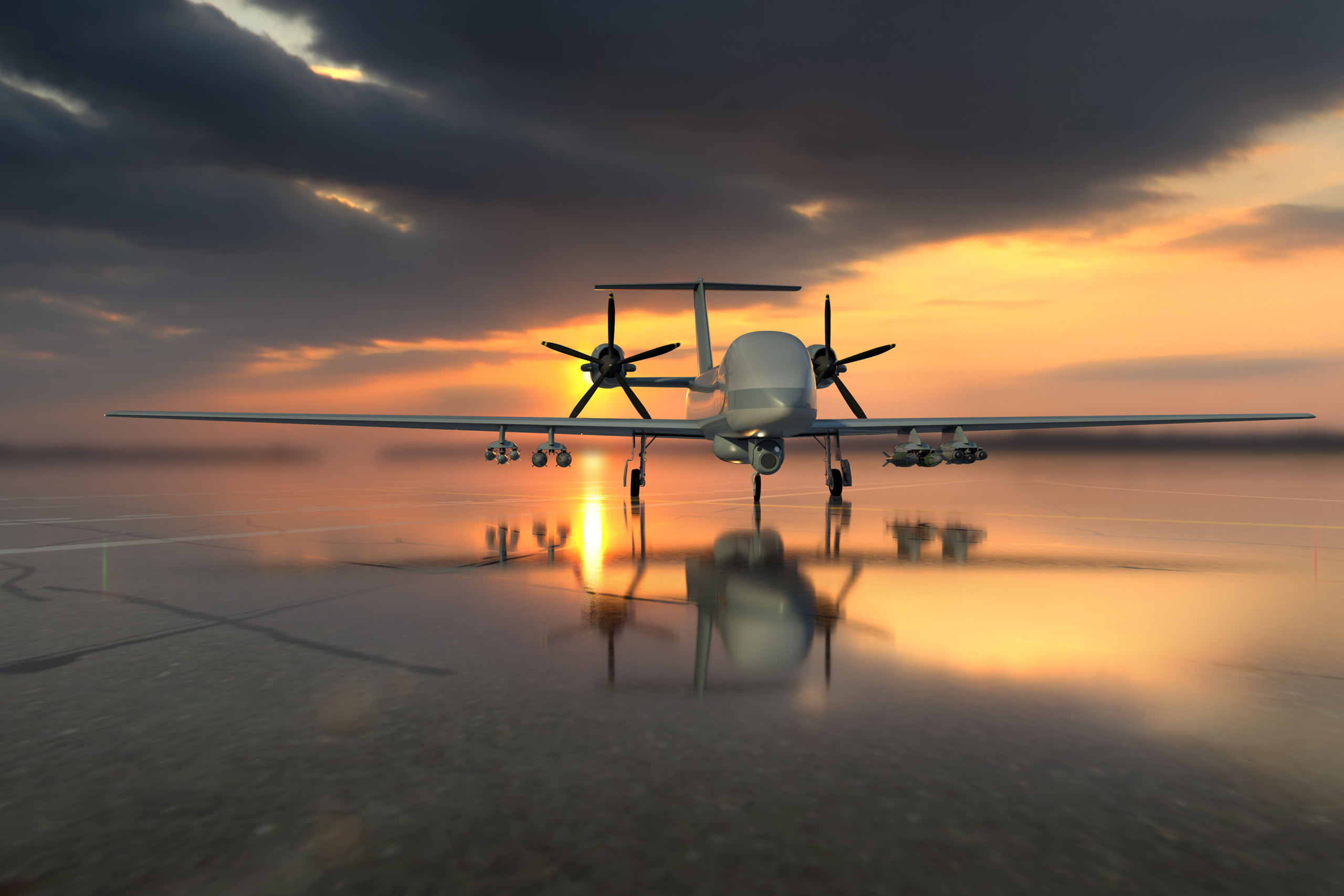
Airbus and Kawasaki Heavy Industries have agreed to study a Japanese maritime variant of the U950 Eurodrone, with anti-submarine warfare placed at the centre of the proposed development path.
The work will examine how the medium-altitude, long-endurance uncrewed aircraft could be adapted for Japan’s operating environment, including the integration of Japanese sensors, mission equipment, and possible effectors. It also opens a route for Eurodrone to operate alongside Kawasaki’s P-1 maritime patrol aircraft, giving Japan a possible bridge between crewed patrol platforms and persistent unmanned surveillance.
The baseline Eurodrone programme has been built around long endurance, modular payloads, and European control over a MALE aircraft architecture. A Japanese ASW variant would move that design logic into the Indo-Pacific, where maritime patrol, undersea surveillance, and distributed sensing are becoming industrial challenges as much as operational requirements. With a published mission payload capacity of up to 2.3 tonnes and endurance of up to 40 hours, the aircraft gives designers space for sonobuoys, surveillance sensors, communications equipment, and potentially maritime weapons.
For Japan, the attraction is not simply an additional aircraft type. The country faces a demanding undersea surveillance problem across wide ocean areas, dense shipping routes, and contested approaches. Crewed maritime patrol aircraft remain central to that mission, but endurance, crew availability, and aircraft operating cost all shape how much coverage can be generated. A MALE unmanned platform can extend the sensor grid, cue crewed assets, and maintain presence over areas that do not justify the continuous deployment of a high-end patrol aircraft.
ASW aircraft are integration-heavy systems, and every layer of the proposed variant would carry manufacturing and qualification complexity. The aircraft would need stable structures, reliable propulsion, resilient datalinks, mission computing, acoustic processing, payload-release systems, environmental qualification, and software architectures that can absorb new equipment without forcing a full redesign. A Japanese Eurodrone would also need to reconcile the European programme baseline with Japanese equipment, domestic sustainment expectations, and the operational methods already built around the P-1.
Kawasaki’s participation could give the concept a domestic industrial route, particularly around sensor integration, support, and local modification work. Airbus brings the aircraft architecture and the European programme base, while Japan brings the maritime mission context and a defence-industrial ecosystem already familiar with patrol aircraft production. The balance between those roles will determine whether the study remains a paper route or develops into a practical workshare model.
Japan’s renewed focus on naval interoperability with regional partners, already visible in recent Japan-South Korea naval drill activity, sits alongside growing demand for persistent surveillance above and below the surface. A Eurodrone ASW variant would place unmanned sensing directly into that environment, where submarines, missiles, crewed aircraft, and uncrewed systems increasingly operate inside the same planning cycle.
The production challenge is likely to sit less in proving that a large UAV can carry maritime equipment, and more in making the wider system repeatable, supportable, and upgradeable. ASW payloads do not stand still. Acoustic processing, electronic intelligence, datalinks, artificial intelligence-assisted detection, and weapon interfaces will change over the aircraft’s life. Companies able to build open but secure mission architectures will have an advantage over those offering tightly locked platform packages.
Airspace access and certification will add another layer of work. Long-endurance unmanned aircraft must operate around civil traffic, naval exercise areas, allied aircraft, and sovereign command-link rules. Japan’s geography gives the aircraft a clear military use case, but routine domestic operation would still demand high standards of reliability, safety, remote piloting, and contingency handling.
For Europe, the study offers a possible export and development route beyond the original Eurodrone partner nations. For Japan, it offers a way to expand unmanned maritime surveillance without starting from a clean-sheet domestic aircraft programme. For manufacturers, the opportunity sits in payload integration, secure communications, mission software, aircraft support, spares, and the industrial work needed to turn a collaborative concept into a deployable ASW system.