IN Brief:
- Japan has fielded the Type 25 Hyper Velocity Gliding Projectile, giving the JGSDF an indigenous boost-glide strike weapon.
- The system combines a solid-propellant booster, manoeuvring glide vehicle, and road-mobile launch architecture.
- Production pressure now sits across propulsion, thermal protection, guidance electronics, launcher integration, and deployable support infrastructure.
Japan has fielded the Type 25 Hyper Velocity Gliding Projectile, moving one of its most closely watched long-range strike programmes into operational service.
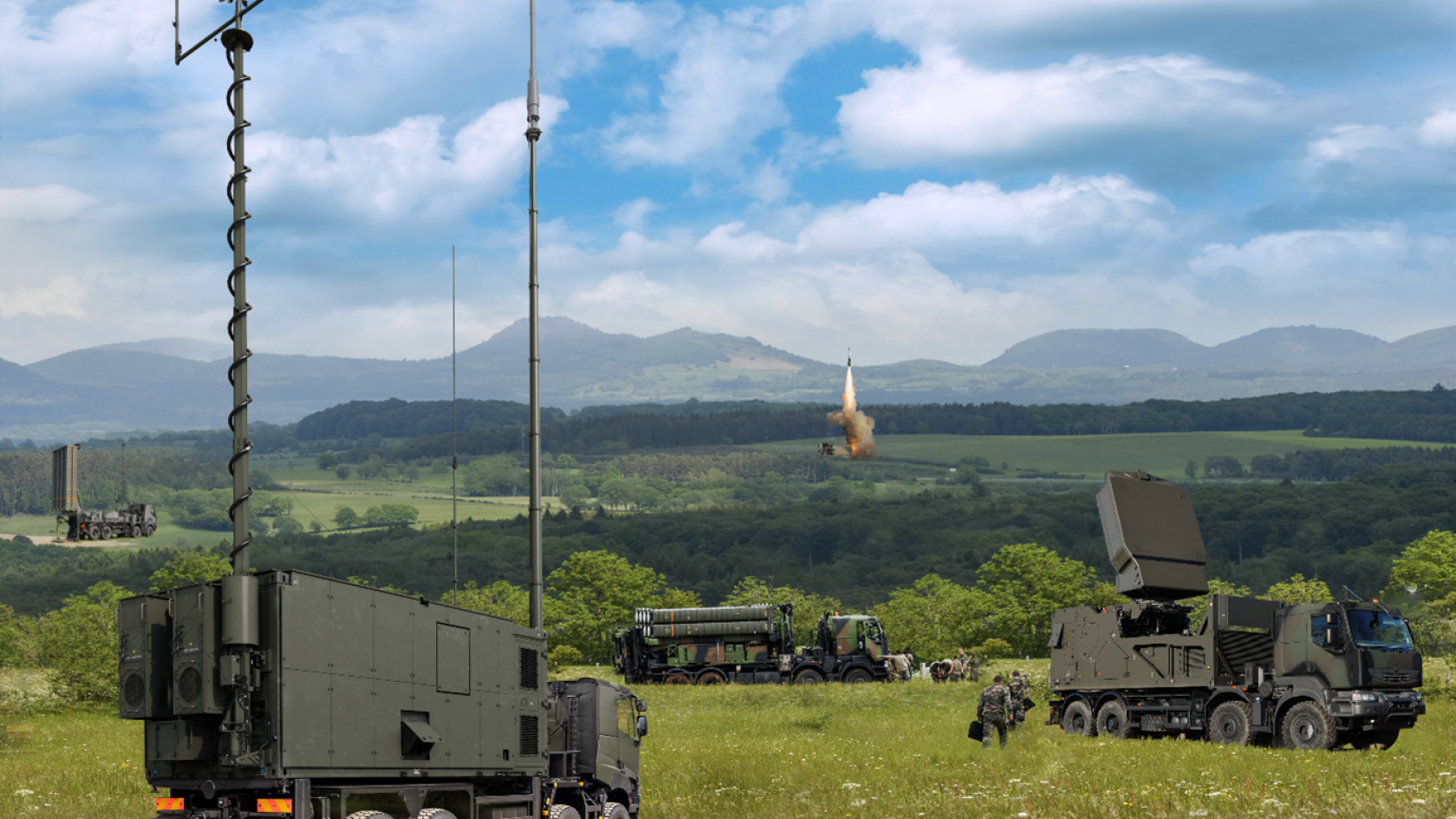
The Type 25 HVGP is the first operational weapon produced under Japan’s Hyper Velocity Gliding Projectile programme. It uses a solid-propellant booster to accelerate the weapon before releasing a manoeuvring glide vehicle, giving the system a flight profile designed to complicate detection, tracking, and interception. Mounted on a road-mobile launcher, the weapon also reflects Japan’s requirement for dispersed firing positions across a geographically complex operating environment.
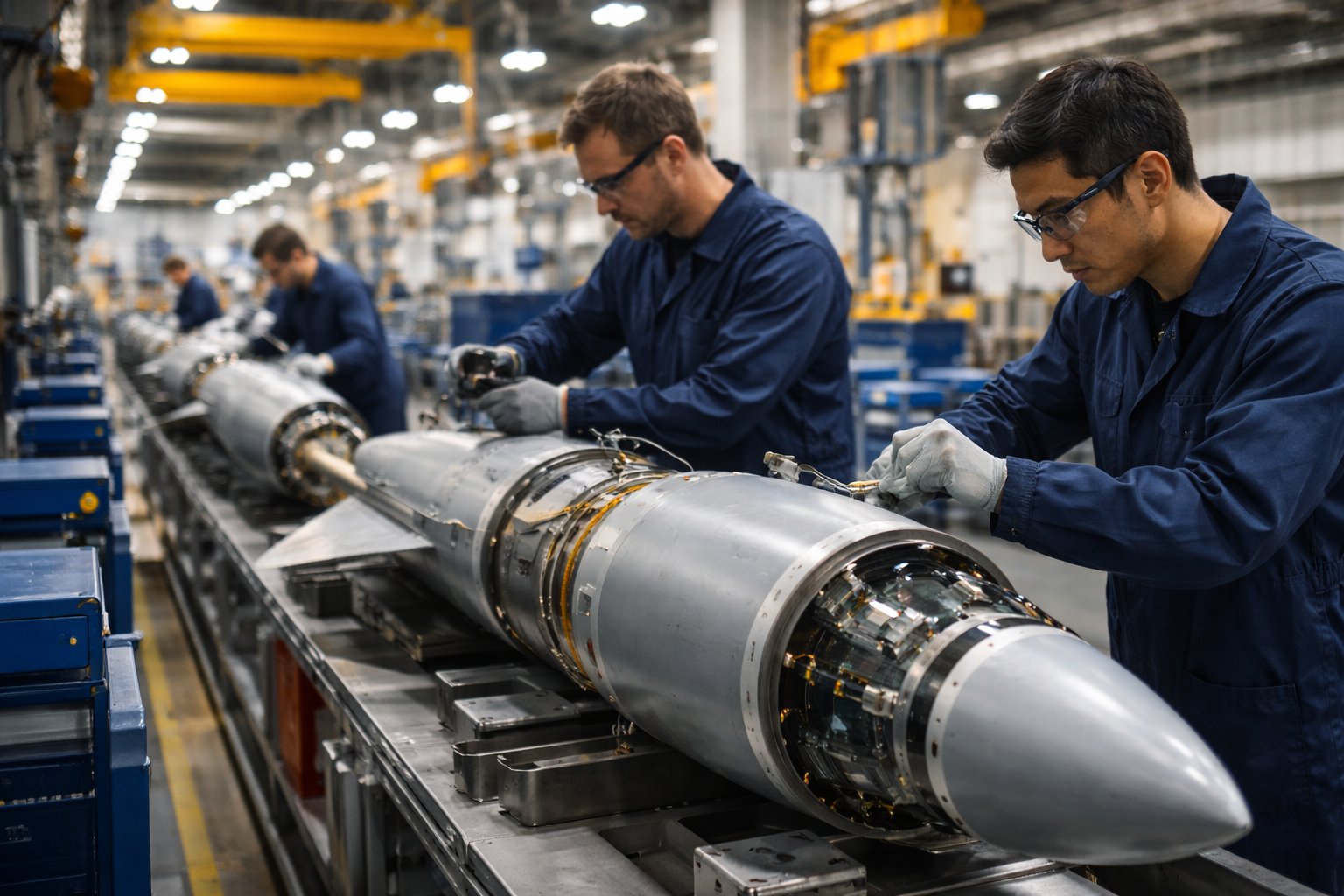
For Japan’s defence industry, the move places counterstrike capability inside a demanding production chain rather than a policy document. Boost-glide weapons are not only missile bodies and range figures. They require high-energy propulsion, heat-resistant structures, precision guidance, canisterised storage, mobile launch systems, software-controlled mission planning, and test infrastructure able to validate performance across extreme flight conditions.
The road-mobile launcher deserves close attention because it turns the missile into a deployable system. A launcher for this class of weapon needs stabilisation, hydraulic erection equipment, power management, environmental control, launch electronics, secure communications, diagnostics, and safety systems that can be maintained in field conditions. In a Japanese context, where dispersal across islands and road networks is central to survivability, the launcher is part of the deterrent rather than a transport accessory.
The glide vehicle adds a sharper materials and electronics challenge. Manoeuvring at very high speed generates heavy thermal and aerodynamic loads, placing pressure on material selection, structural tolerances, control surfaces, internal packaging, and qualification testing. Components that would be adequate in lower-speed weapons may be unsuitable when exposed to these stresses, particularly if Japan wants the system to mature beyond an early operational batch into a sustained inventory.
Guidance and control systems carry an equivalent burden. A boost-glide weapon must retain navigational accuracy and manoeuvrability through a demanding flight envelope, while its electronics have to survive heat, vibration, acceleration, and electromagnetic stress. That places configuration discipline at the centre of production. A successful flight article is useful, but a credible operational weapon requires serial production that holds qualified performance across multiple batches.
Japan’s Type 25 also enters a missile environment already shaped by Europe’s new cruise-missile development work and US efforts to move hypersonic glide-body manufacturing closer to production maturity. Each programme uses a different technical route, yet all point toward the same industrial pressure: advanced stand-off weapons now require reliable output, not isolated demonstrations.
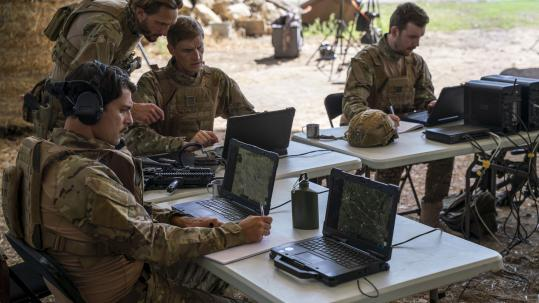
Long-range strike systems are particularly vulnerable to low-rate procurement. A small number of missiles can support testing and messaging, but operational value depends on enough launchers, reloads, spare parts, trained crews, software support, and storage infrastructure to sustain a credible posture. Japan’s regional security environment leaves little room for symbolic capability; the Type 25 will need to sit inside a broader architecture of sensors, targeting, command networks, and resilient logistics.
The domestic industrial base will be tested on several fronts. Propulsion suppliers must maintain quality and throughput. Electronics manufacturers must support guidance, control, and mission systems. Vehicle and launcher specialists must deliver mobility and safety. Test ranges and instrumentation must support ongoing validation. As upgrades arrive, software and hardware changes will need to be introduced without destabilising the qualified baseline.
Japan’s wider defence-industrial shift gives the programme additional weight. Tokyo has been expanding investment in missiles, munitions, drones, and naval systems as it adapts to a sharper Indo-Pacific threat environment. The Type 25 sits at the more technically demanding end of that shift, where the limiting factors are not only budget and policy, but specialist labour, precision manufacturing, thermal materials, energetic systems, and secure electronics.
The first fielding of the Type 25 HVGP gives Japan a new strike option, but the manufacturing phase will define how far that option can be scaled. Boost-glide weapons become strategically useful only when the factories, test infrastructure, launch units, and support chains can sustain them. Japan has crossed the threshold into fielding. The harder work now sits behind the launcher.