IN Brief:
- Belgium plans to acquire NASAMS launchers and Skyranger short-range air-defence systems.
- The package is expected to use Dutch framework contracts to accelerate procurement.
- The plan reflects European demand for layered air defence, counter-UAS capacity, and scalable ammunition supply.
Belgium is preparing to rebuild ground-based air defence through a €3.1bn package combining NASAMS and Skyranger systems, adding another European buyer to the market for layered air and counter-drone protection.
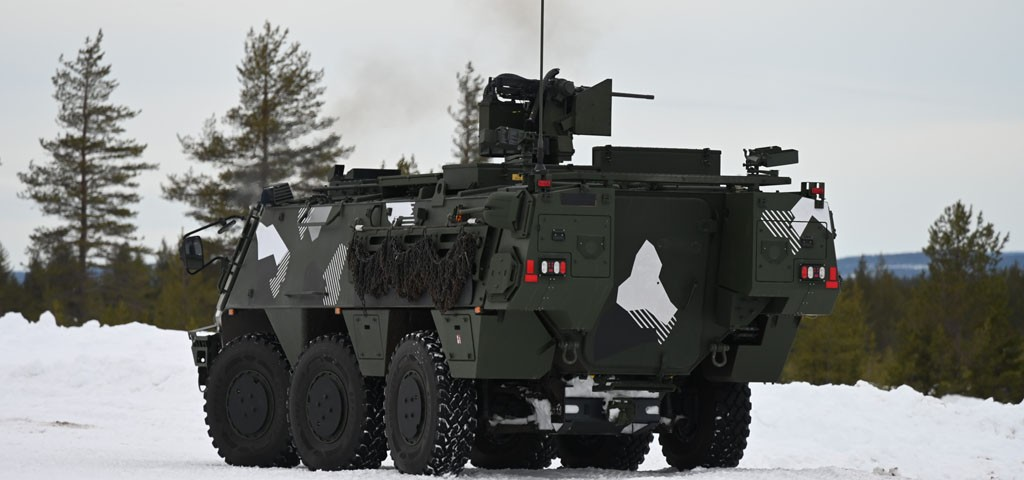
The planned package includes 10 NASAMS launchers from Kongsberg and 20 Rheinmetall Skyranger short-range air-defence systems. Belgium is expected to use Dutch framework contracts to accelerate the purchase, potentially improving commonality across training, maintenance, logistics, ammunition, and future upgrades.
The combination shows how modern air defence is being rebuilt around multiple layers rather than a single high-end system. NASAMS gives Belgium a medium-range missile layer, while Skyranger provides a shorter-range gun-based and potentially missile-supported answer to drones, helicopters, cruise missiles, and low-altitude threats. Different targets require different economics, and the cost of using expensive interceptors against cheap drones has become one of the central design pressures in European air defence.
The Skyranger element carries a strong industrial signal. A 30mm cannon system using programmable ammunition offers a more sustainable counter-UAS option than relying exclusively on missiles. That capability depends on more than a turret and gun. It requires sensors, fire-control software, stabilisation, ammunition programming, vehicle integration, crew interfaces, diagnostics, and a steady supply of rounds produced to tight tolerances.
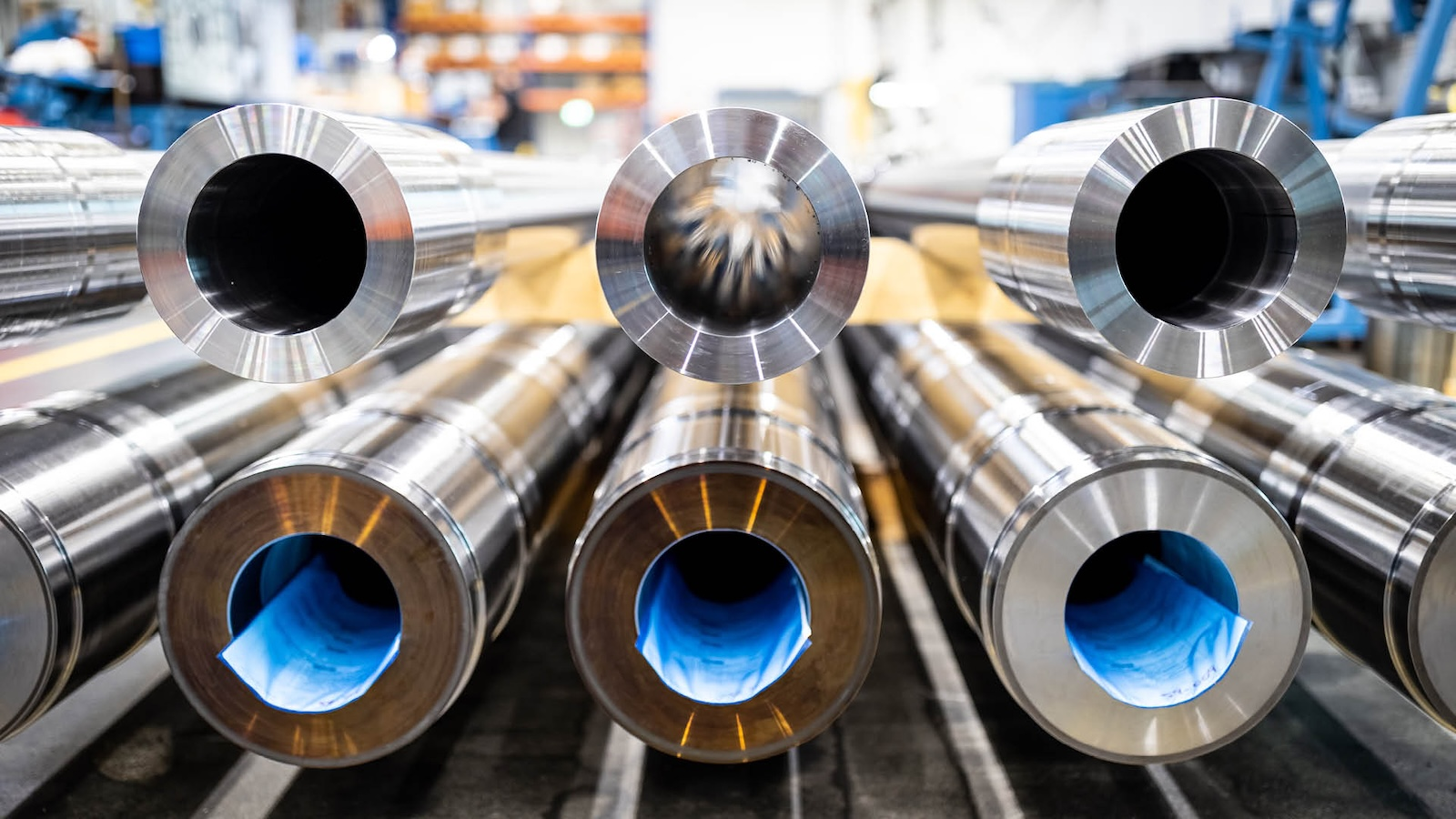
Programmable ammunition is particularly demanding. Each round must be manufactured, stored, programmed, and fired with enough precision to create the intended airburst effect. The system has to connect ammunition, fire-control calculation, target data, and gun performance in real time. Production quality and integration discipline therefore become part of the weapon’s effectiveness, not background logistics.
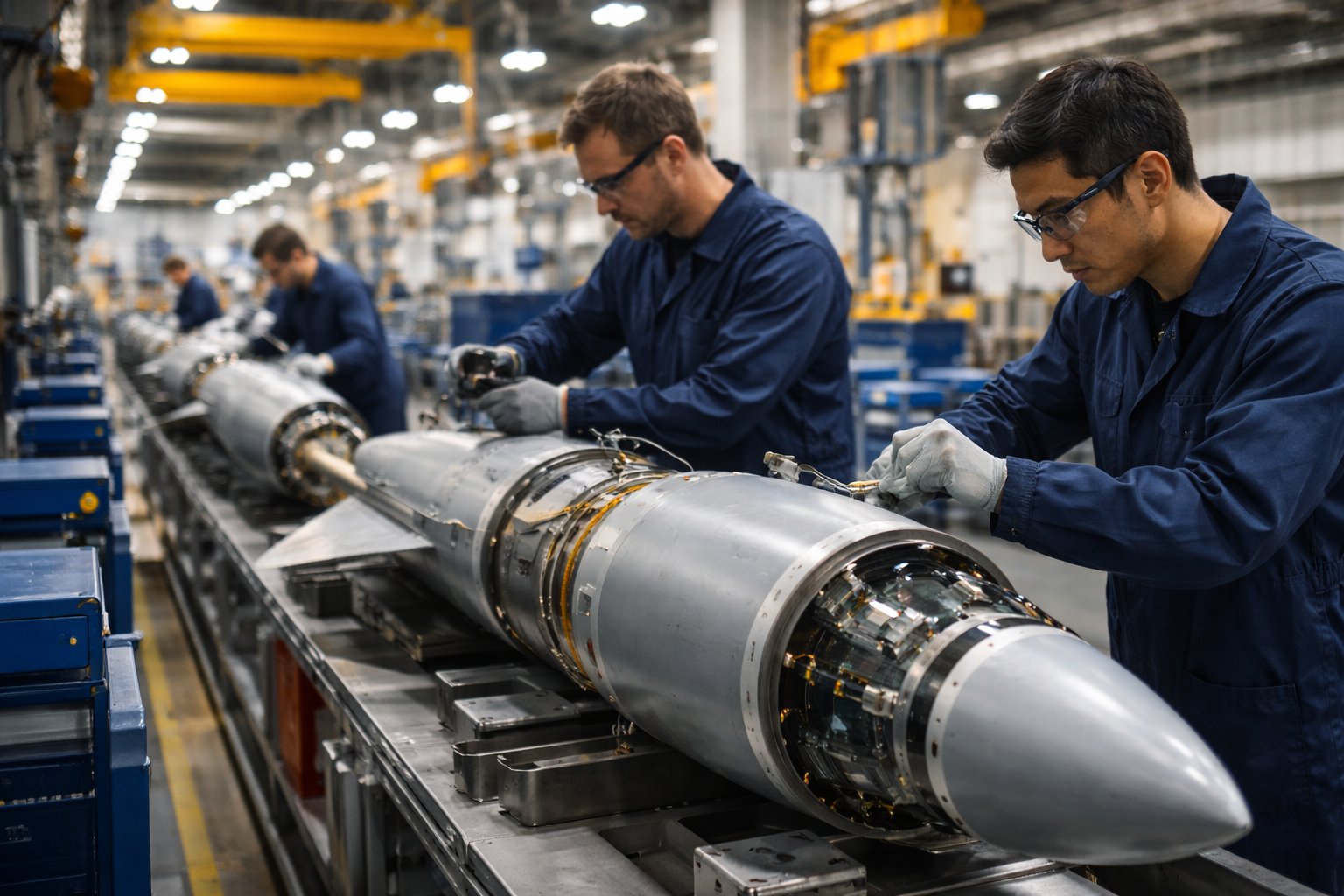
NASAMS brings a different set of industrial pressures. Missile-based air defence depends on interceptor stocks, launch canisters, command-and-control integration, radar connectivity, secure communications, software upgrades, spares, and training. A launcher without enough missiles has limited operational depth, and European governments have already seen how quickly air-defence inventories can become strained when demand rises across multiple allies.
Belgium’s geography gives the programme additional weight. Ports, military bases, logistics corridors, ammunition sites, industrial infrastructure, and dense civilian airspace all complicate defensive planning. Fixed infrastructure needs persistent protection, while manoeuvre forces need systems that can move, deploy, and connect into allied air pictures. The final configuration will determine whether Belgium prioritises static defence, mobile coverage, or a blend of both.
The use of Dutch framework contracts also shows a more practical approach to European procurement. Buying through an existing route can reduce contracting delays and improve commonality, though it also ties Belgium to configuration choices shaped by another country’s requirements. Shared procurement can improve support depth when users align on training, spares, software baselines, and ammunition, but it needs careful management if national operating concepts diverge.
Across Europe, governments are no longer debating whether drones and cruise missiles justify new air-defence spending. The questions have shifted to production rate, interceptor availability, ammunition depth, radar supply, and support capacity. Kongsberg, Rheinmetall, radar suppliers, vehicle manufacturers, ammunition producers, software companies, and training providers all sit behind a procurement package of this type.
The programme also fits a wider pattern of air-defence and counter-UAS work across the continent. Airbus and Quantum Systems have linked helicopter architectures with drone-interceptor concepts, while Kongsberg has been increasing missile-related capacity as demand for air-defence systems rises. Belgium’s package belongs to that same industrial cycle, where armies are rebuilding layers that were thinned after the Cold War.
Fragmentation remains Europe’s persistent problem. Different radars, launchers, missiles, guns, vehicles, and command systems can give individual countries tailored capability, while making multinational support harder. Belgium’s route through Dutch frameworks suggests an effort to gain speed and reduce duplication, provided the support architecture remains coherent.
The hard decisions will come after approval. Static Skyranger units could protect infrastructure quickly. Vehicle-mounted systems could better support mobile forces. A mixed approach would widen coverage but complicate training and maintenance. Missile stocks, ammunition production, simulators, software support, operator training, and depot capacity will decide how much practical defence the package delivers.
Belgium’s €3.1bn plan is a useful marker of where European land procurement is heading. The visible systems are NASAMS and Skyranger, but the deeper issue is the industrial base needed to sustain layered air defence: missiles, rounds, sensors, vehicles, software, repair capacity, and trained crews. Europe’s air-defence rebuild is moving from policy language into production choices.