IN Brief:
- Leonardo has selected the GE Aerospace CT7-2E1 for 23 proposed UK AW149 helicopters.
- Engine support is planned for Gosport, with component manufacture in Newton Abbot and aircraft assembly in Yeovil.
- Through-life repair, spares, modifications, and export demand will determine the programme’s lasting industrial value.
GE Aerospace’s CT7-2E1 engine has been selected to power 23 Leonardo AW149 helicopters proposed for the UK New Medium Helicopter programme, extending the aircraft’s planned British industrial footprint beyond final assembly.
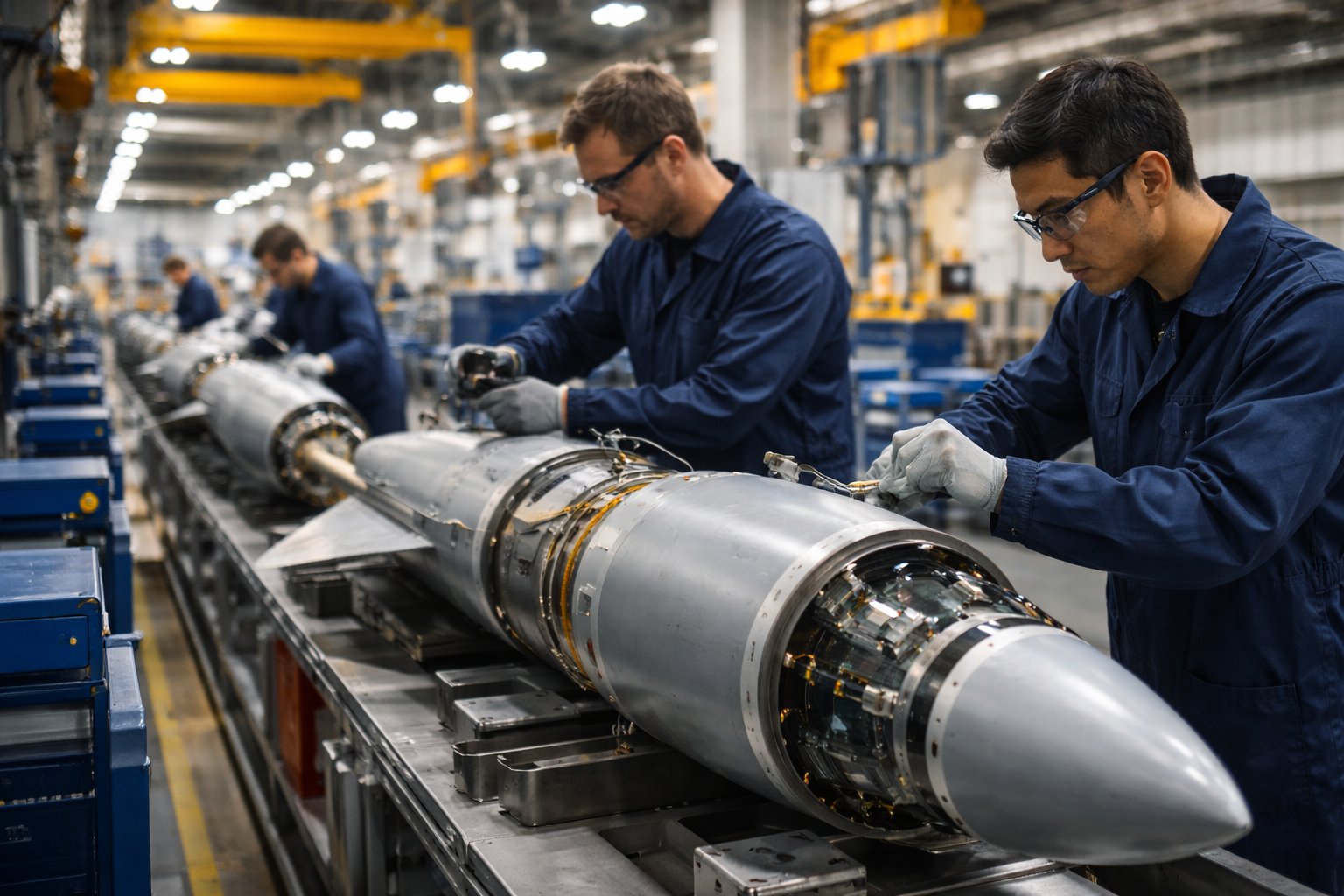
Production engines, spare units, components, and long-term services form part of the package. Leonardo intends to assemble the aircraft at Yeovil, while StandardAero’s Gosport operation is expected to support engine build, maintenance, repair, and overhaul. Barnes Aerospace in Newton Abbot is positioned to supply engine components.
The CT7-2E1 belongs to the wider T700 and CT7 family, which has accumulated more than 130 million operating hours across military and civil aircraft. Over 300 examples of the CT7-2E1 have already been delivered for AW189 and AW149 operations, producing a substantial body of manufacturing and service data.
Selecting the powerplant fixes one of the helicopter’s most consequential configurations. Engine performance affects payload, range, hot-and-high operation, fuel consumption, transmission loading, cooling, maintenance intervals, training, and the quantity of spares required throughout the fleet.
The AW149 is an 8.6-tonne-class medium helicopter designed for troop transport, resupply, medical evacuation, personnel recovery, special-forces support, command-and-control, and intelligence missions. Its cabin can carry up to 16 heavily equipped or 19 lightly equipped personnel, depending on configuration.
Integrating the engine involves considerably more than its attachment points. Air intakes, exhausts, fire protection, fuel systems, sensors, controls, wiring, software, and cockpit indications must all function across the helicopter’s flight envelope and environmental limits.
Vibration and thermal behaviour require particular attention. Turboshaft engines operate beside transmissions, rotors, electronic systems, and composite or metallic structures whose fatigue and temperature limits must be protected. Cooling and airflow arrangements have to perform during hover, forward flight, ground running, and degraded conditions.
The CT7’s modular maintenance architecture allows major sections to be removed or serviced without treating the powerplant as a single sealed assembly. That can reduce aircraft downtime, although it transfers pressure into technician training, module availability, test equipment, repair documentation, and logistics.
A modular engine is only useful when replacement sections are available at the point of need. Fleet planners must decide which modules to hold at operating bases, which repairs can be completed in Gosport, and which work requires access to the original manufacturer or a specialist supplier.
StandardAero’s role creates an opportunity to retain more of that activity in Britain. Domestic repair can reduce overseas turnaround times and shipping exposure while giving operators closer access to engineering support during periods of high demand.
Engine MRO also provides a longer industrial tail than aircraft assembly. A final assembly line rises and falls with deliveries, whereas inspection, overhaul, component repair, modifications, and unscheduled maintenance continue throughout several decades of service.
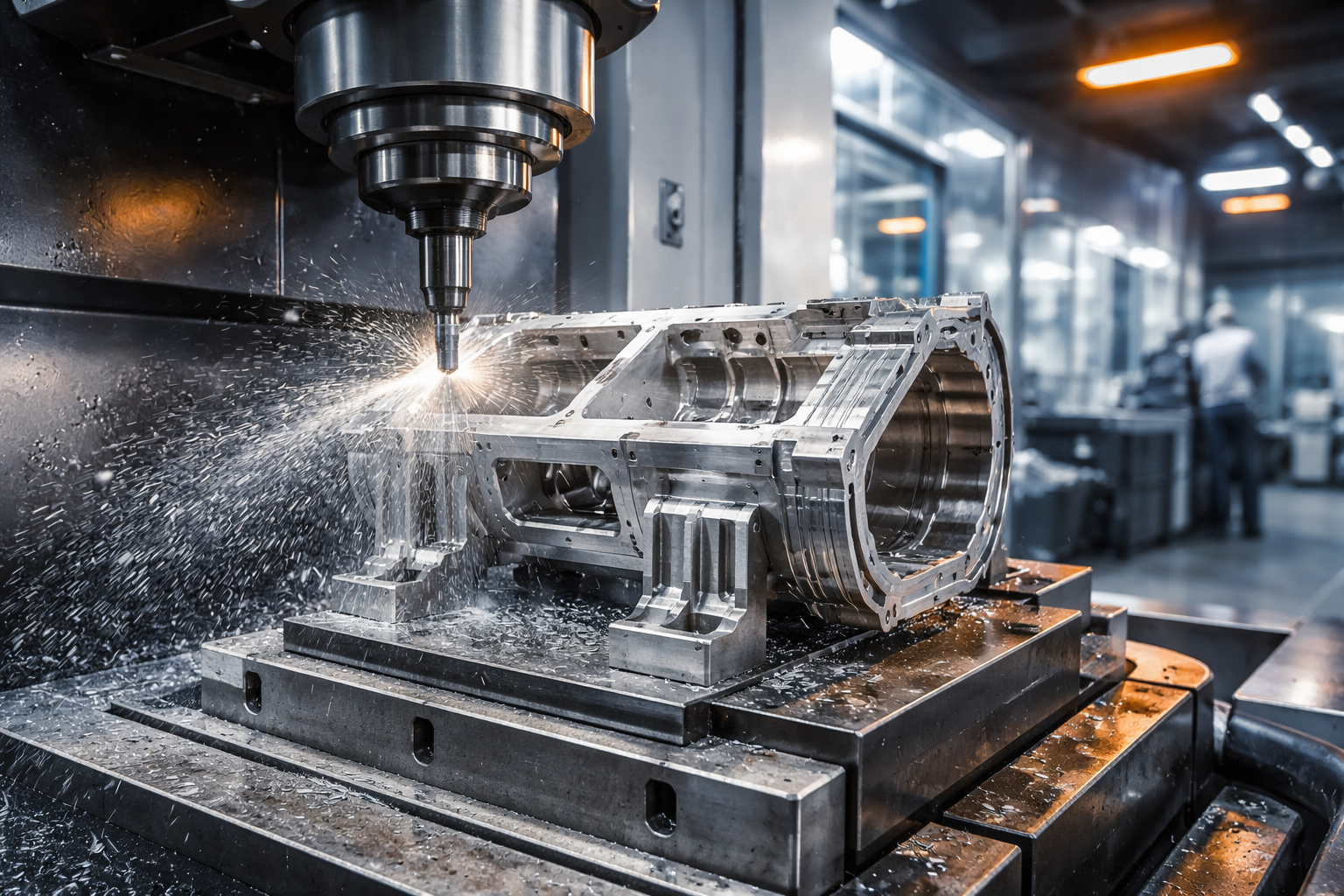
Barnes Aerospace’s proposed component work illustrates how a relatively small fleet reaches into precision manufacturing. Turbine-engine parts operate under high temperature, rotational loading, fatigue, and corrosion, requiring controlled alloys, advanced machining, coatings, non-destructive inspection, and complete traceability.
Even modest quantities can justify expensive qualification because approved engine components cannot be replaced casually. A supplier must demonstrate consistent materials, processes, inspection, and documentation before parts enter an established design.
GE Aerospace’s wider British network includes operations in Cheltenham, Cardiff, Prestwick, and Gloucester, covering avionics, maintenance, engineering, and manufacturing. The AW149 package can therefore draw on existing aerospace capability rather than creating an isolated programme team.
Workforce availability will nevertheless constrain growth. Engine technicians, quality engineers, machinists, inspectors, planners, and supply-chain specialists are already in demand across civil aerospace, missiles, combat air, and other defence programmes.
Apprenticeships and training will have to run ahead of peak workload if the programme is to add capacity rather than transfer skilled people between employers. Aircraft and engine production schedules also need enough stability for suppliers to recruit without carrying unsupported labour during delays.
A 23-aircraft order alone cannot sustain every element of the proposed industrial structure indefinitely. Export orders, shared CT7 demand, and through-life support will determine whether the investment produces continuing work after the final UK aircraft is delivered.
Different customers are already adopting varied support models for the same helicopter family. Malaysia’s planned AW149 introduction uses a leased availability arrangement rather than conventional fleet ownership, demonstrating how financing, maintenance, and industrial responsibility can alter the work generated by an identical platform.
Britain’s programme will need to settle those responsibilities early. Engine ownership, repair authority, spares inventories, performance guarantees, and intellectual-property access can affect availability as much as the original hardware choice.
The lower tiers of the supply chain will face long-lead components and material risks. Bearings, castings, forgings, electronic controls, sensors, seals, and specialist alloys frequently come from narrow supplier bases serving several engine programmes simultaneously.
Lifetime purchasing may protect against obsolescence, but it ties up capital and requires accurate forecasts. Maintaining production tooling and approved processes for low-volume spares can become expensive once the initial build phase closes.
Commonality with established CT7 operators provides some protection by spreading demand across a wider fleet. It can also create competition for repair slots or replacement modules when several customers increase flying activity at the same time.
The engine selection gives the proposed AW149 fleet a clearer British industrial map, connecting Yeovil with Gosport, Newton Abbot, and GE’s wider UK operations. Its enduring value will be measured through available aircraft, repair turnaround, qualified components, and the amount of support retained in Britain long after initial delivery.