IN Brief:
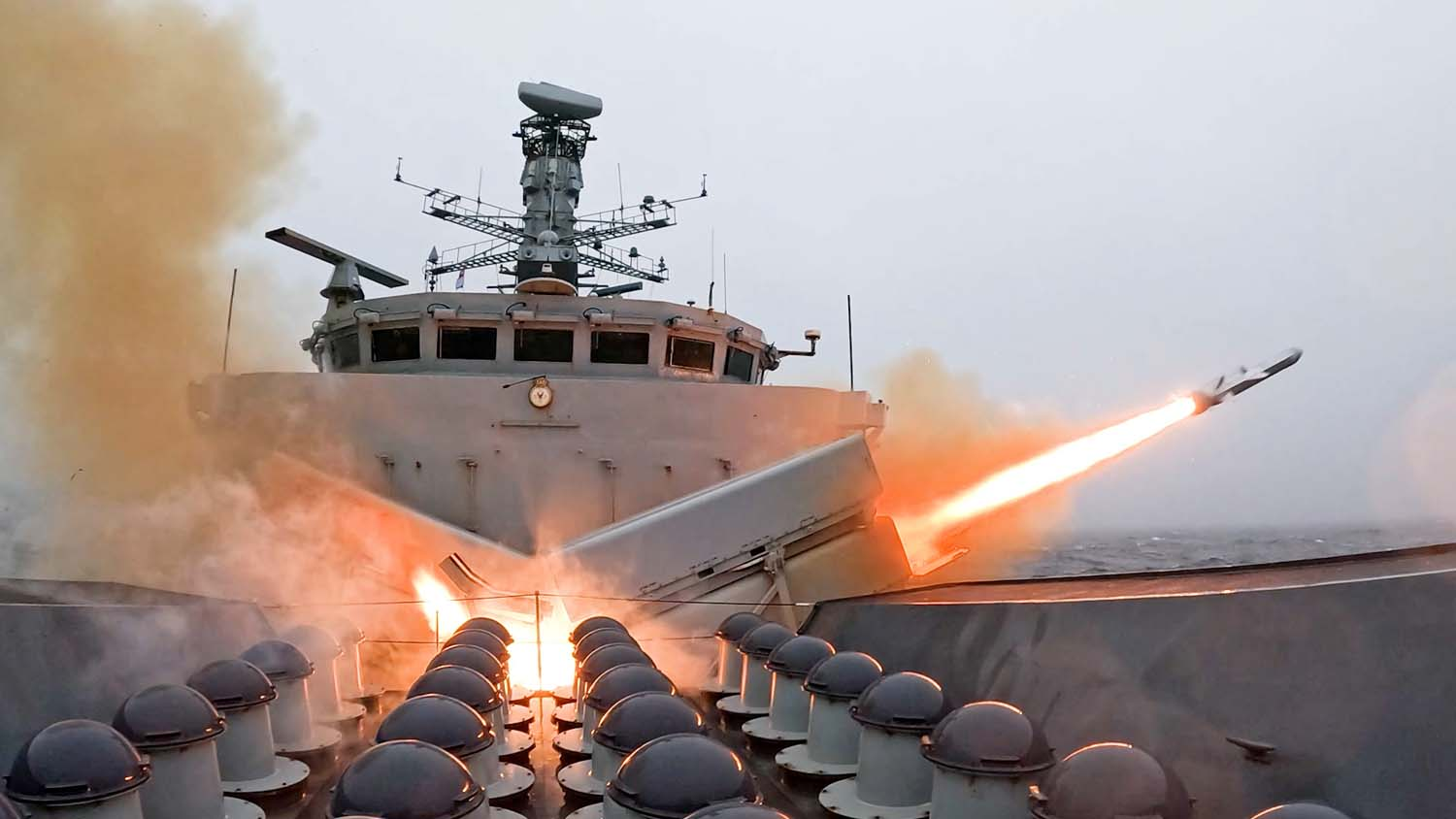
- HMS Portland completed the Royal Navy’s first firing of an operational Naval Strike Missile against a representative ship target.
- A Wildcat helicopter completed the first live firing of an operational Sea Venom against a representative maritime target.
- The exercise tested complete engagement chains covering detection, identification, targeting and weapon employment.
The Royal Navy has completed operational firings of Naval Strike Missile and Sea Venom during Exercise Atlantic Thunder, putting two of its newer maritime strike weapons through representative engagements against the former US Navy frigate USS Klakring.
HMS Portland fired Naval Strike Missile at the decommissioned ship at the MOD Hebrides range, completing the Royal Navy’s first firing of an operational NSM. A Wildcat helicopter from 815 Naval Air Squadron also launched Sea Venom against the vessel in the first live firing of an operational Sea Venom from Wildcat against a representative maritime target.
The event moves both weapons farther into fleet employment after earlier integration and test work. HMS Somerset completed the Royal Navy’s first NSM firing in Norway in September 2025, while Sea Venom had already undergone development firings before entering operational use.
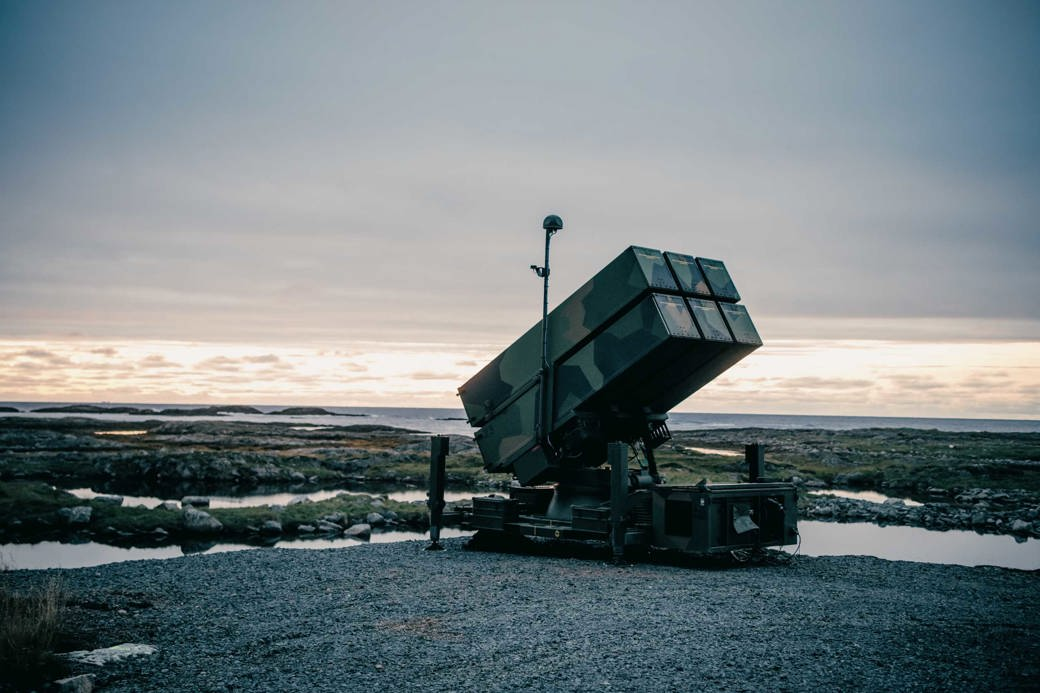
Kongsberg Defence & Aerospace supplies NSM, a 407kg high subsonic missile intended for attacks against ships and land targets. The manufacturer states a range above 300km and uses passive sensing, sea skimming flight and programmable terminal manoeuvres to improve survivability.
The weapon also uses autonomous target recognition within its imaging infrared seeker. That allows the missile to compare the observed target against stored information and select the required aim point without relying on an active radar seeker that would transmit during the terminal phase.
Installing a long range missile aboard a frigate requires more than mounting launch canisters. The ship has to generate or receive suitable targeting data, manage the engagement through its combat system and transfer the required information into the weapon before launch.
Those processes become more demanding as weapon range increases because the target may be well beyond the launching ship’s own radar horizon. Aircraft, other ships or external sensors can therefore become part of the engagement chain even though the missile itself is fired from the frigate.
The Wildcat firing tested a separate maritime strike route. MBDA developed Sea Venom with the British and French governments as a 120kg tactical anti-ship missile for operations in coastal and littoral environments.
Sea Venom carries a 30kg class warhead and uses an imaging infrared seeker with a two-way radio-frequency data link. The link allows the aircrew to receive imagery and missile status during flight and to make guidance updates, while the weapon can also perform autonomous target selection.
MBDA places Sea Venom in the greater than 20km range class and describes it as suitable for targets up to corvette size as well as coastal targets on land. Wildcat can carry up to four missiles.
During Atlantic Thunder the aircrew carried out the complete maritime strike sequence rather than an isolated weapon release. The Royal Navy says the Wildcat crews detected, identified and struck the target, putting sensors, aircraft systems, crew procedures and the missile into the same operational chain.
That sequence is central to the weapon’s usefulness. A missile with sufficient range and accuracy still depends on the aircraft finding the correct target, maintaining identification and presenting the operator with enough information to make an engagement decision in waters where other vessels may be nearby.
Operational firing also exposes the support organisation to the complete handling cycle. Weapons have to be transported, stored, inspected, loaded, tested and integrated with platform software before a launch can take place, while crews and maintainers need procedures that can be repeated outside a one-off trial.
The Royal Navy is introducing NSM as its surface-launched anti-ship capability while later strike programmes continue. Sea Venom occupies a different range and weight class and gives Wildcat a weapon designed for smaller maritime targets and congested coastal environments.
The two systems therefore provide separate engagement options rather than duplicating one another. The frigate can launch a long range ship-killing weapon from the surface force, while Wildcat can move its sensor and missile combination away from the ship and prosecute targets closer to shore or beyond the parent vessel’s direct line of sight.
Atlantic Thunder has provided operational firing evidence for both systems against the same representative target. Further fleet maturity will depend on repeated crew training, stable weapon stocks, support equipment, maintenance capacity and enough fitted platforms to make the capability routinely available rather than dependent on a small number of trained units.