IN Brief:
- Belgium has signed a NASAMS contract worth NOK10 billion, with the Netherlands procuring on its behalf.
- Belgium previously outlined plans for ten NASAMS systems as part of its rebuilt ground based air defence capability.
- Production will draw on a multinational industrial base covering command equipment, sensors, launchers, missiles and support systems.
Belgium has signed a NOK10 billion contract for NASAMS ground based air defence, converting an acquisition announced in July into a committed programme with the Netherlands procuring the equipment on Belgium’s behalf.
The Belgian Air Force will be the end user. Belgium had previously outlined plans for ten NASAMS systems as part of a wider reconstruction of national ground based air defence after roughly two decades without a comparable capability.
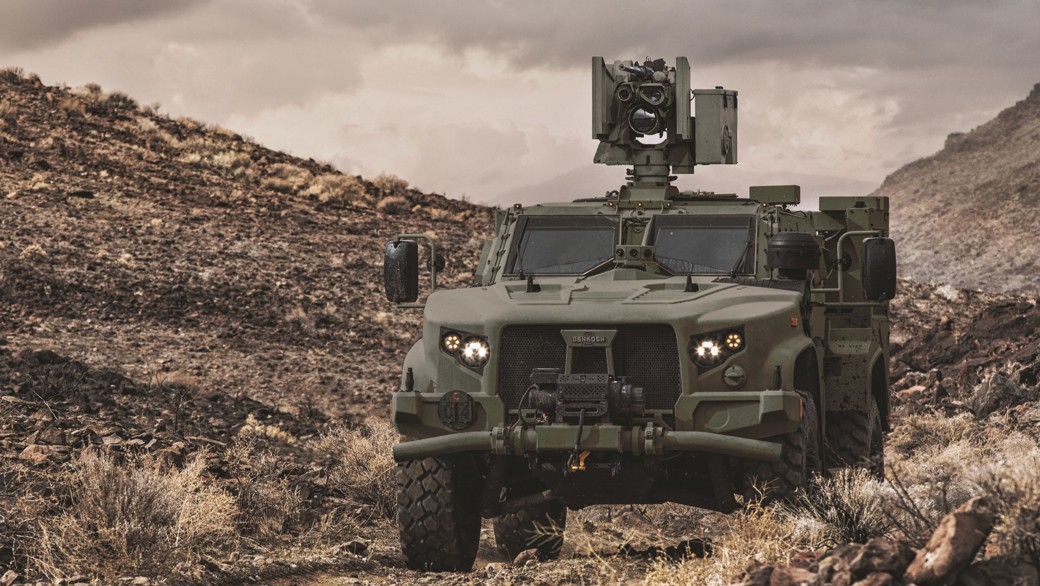
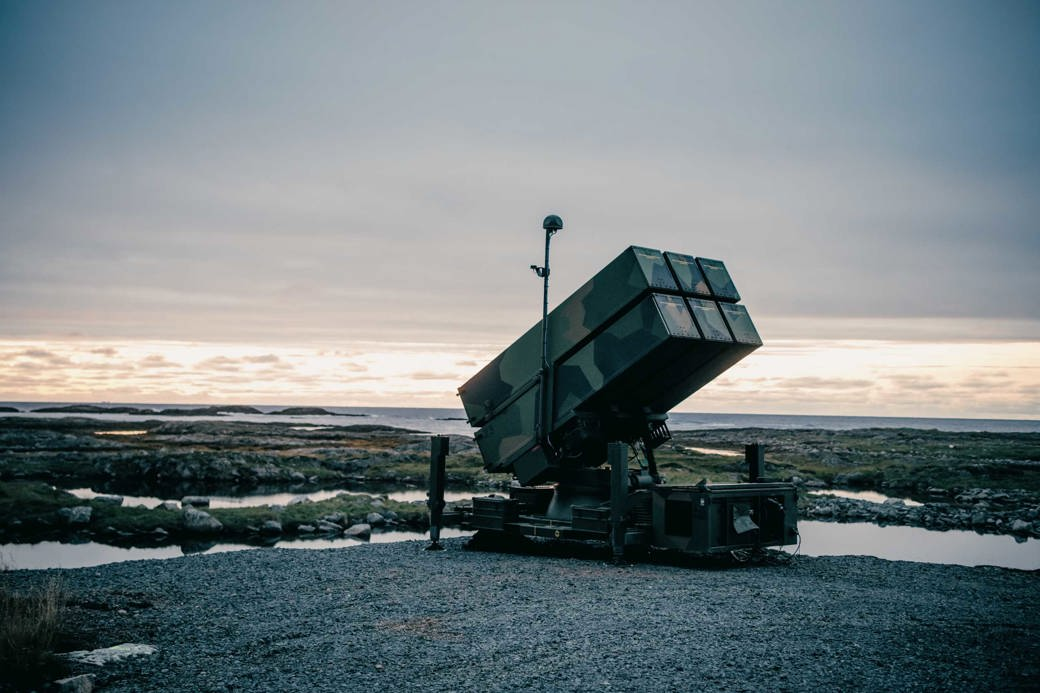
Kongsberg Defence & Aerospace develops NASAMS with Raytheon. The system uses a distributed architecture connecting sensors, command equipment, launchers and several possible interceptor types rather than concentrating detection and engagement functions at one site.
The contract value therefore represents considerably more than launcher hardware. A deployable air defence network requires command systems, radars, communications, vehicles, training equipment, missile stocks, spares, maintenance tools and the software configuration needed to link those components into a common air picture.
Belgium signed a cooperation agreement with the Netherlands in July covering a modern layered air defence acquisition that included ten NASAMS systems. At that stage contract negotiations with Kongsberg were still continuing.
The NOK10 billion agreement marks the commercial step from announced requirement to contracted supply. It also places Belgium into an established European NASAMS user community rather than requiring every operating, training and support process to be developed independently.
The Netherlands already operates NASAMS and has continued investing in related air defence systems. Procuring on Belgium’s behalf creates opportunities for common training, support, software management and logistics, although the Belgian configuration and national command arrangements will still have to be integrated around its own force structure.
NASAMS can use several missile types, including AIM-120 AMRAAM and AMRAAM Extended Range. That gives operators flexibility over engagement distance and threat type, but it also connects the ground system to the wider missile production base serving combat aircraft and other air defence customers.
Missile availability consequently forms part of the programme from the beginning. Launchers and radars can remain serviceable for many years, while interceptors are finite stock items that require storage, inspection, training allocations and replenishment after use.
Belgian industrial participation was being developed before the final equipment contract. ScioTeq and Kongsberg signed a letter of intent in March connected with the Belgian NASAMS acquisition, with the Belgian company expected to contribute display and interface technology.
That arrangement places part of the system workload inside Belgium while retaining the multinational architecture behind NASAMS. Kongsberg supplies core command and launcher elements, Raytheon supplies major missile and radar components, and additional suppliers contribute electronics, vehicles and support equipment according to customer configuration.
The programme enters production while European demand for air defence remains high. Kongsberg is supplying or supporting NASAMS for several customers, and those programmes draw on overlapping production capacity for command systems, launchers and specialist electronics.
Raytheon’s AMRAAM production system faces similar pressure as orders support both fighter inventories and surface-launched air defence. Higher final assembly capacity therefore has to be matched by propulsion, guidance electronics, seekers, energetics and qualified lower-tier suppliers.
Belgium’s programme will also require an operational infrastructure around the hardware. Crews have to be trained, communications networks established, missile stocks created, maintenance organisations prepared and command relationships tested before delivered systems can provide a dependable national air defence layer.
Distributed air defence places particular emphasis on communications and software. Radars, launchers and command posts may be physically separated, so track data and engagement orders must move reliably between nodes while the network maintains an accurate picture of friendly and unidentified aircraft.
Open architecture gives NASAMS a route to absorb different sensors and weapons during its service life, but every new element still requires engineering, software integration and testing. Configuration management becomes increasingly important as neighbouring operators introduce upgrades at different times.
The Belgian contract now provides an industrial base for those activities and replaces the uncertainty that surrounded the programme while negotiations were under way. Delivery dates and the detailed national configuration will determine the next phase as Belgium moves from procurement into training, installation and operational acceptance.