IN Brief:
- Nagpur has been identified for a potential Indian C-390 final assembly line, subject to selection under the Medium Transport Aircraft programme.
- The planned industrial package includes aircraft assembly, systems integration, manufacturing engineering, supplier development, training and support.
- Embraer and Mahindra are also preparing maintenance capability in India as the procurement process continues.
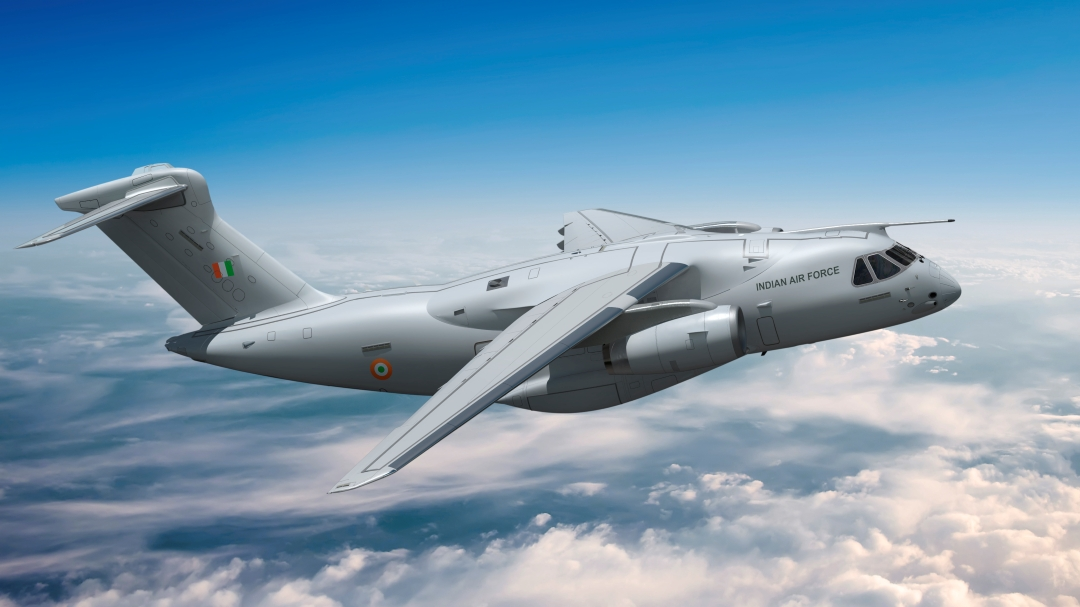
Embraer and Mahindra Group have identified Nagpur in Maharashtra as the proposed location for an Indian C-390 Millennium final assembly line, giving their bid for the Indian Air Force Medium Transport Aircraft programme a defined manufacturing base.
The facility remains conditional on India selecting the C-390 and placing an aircraft order. Preparatory work with the Government of Maharashtra is nevertheless intended to shorten the transition from procurement decision to industrial implementation if the programme is awarded to the partnership.
The proposal extends beyond final assembly. Embraer and Mahindra intend to combine aircraft manufacture with systems integration, manufacturing engineering, Indian supplier development, aftermarket services, training and lifecycle support, creating a broader aerospace operation around the transport programme rather than a line devoted solely to joining imported major assemblies.
That structure would place several technically demanding activities inside India. Final assembly requires controlled tooling, inspection processes, configuration management and repeatable work instructions, while systems integration adds responsibility for coordinating avionics, communications, mission equipment, electrical systems and other aircraft subsystems before flight testing and customer acceptance.
Embraer and Mahindra have been developing the industrial relationship since signing an initial memorandum of understanding in February 2024. A strategic cooperation agreement followed in October 2025, covering local manufacturing, assembly, supply chain development and maintenance, repair and overhaul. Plans for Indian C-390 maintenance capability were outlined again this year.
The resulting model links manufacture and through-life support from the beginning. A military transport fleet can remain in service for several decades, so long-term engineering, maintenance, spares and repair work can outlast the initial aircraft assembly programme and sustain specialist skills after the last new airframe leaves the line.
The C-390 is designed around a maximum payload of 26 tonnes and can undertake troop and cargo transport, airdrop, medical evacuation, search and rescue, firefighting and humanitarian missions. The aircraft is also intended to operate from temporary or unpaved runways, placing additional requirements on its structure, landing gear and associated systems.
Local participation would therefore require suppliers to meet aerospace standards across materials, machining, structures, electronics and other controlled processes. Components must remain traceable through production, while any locally manufactured item has to fit within Embraer’s wider airworthiness and configuration management system.
Supplier qualification can become one of the slower elements of localisation. A business may already have suitable equipment and staff, but aerospace production still requires process approval, inspection procedures, production records and repeatable quality before components can enter a certified aircraft programme.
Once completed, that work can create a longer industrial return than final assembly alone. Qualified suppliers can continue producing replacement structures and components, supporting modifications or competing for work elsewhere in the C-390 network if their processes meet Embraer’s global requirements.
Mahindra brings an established Indian aerospace and manufacturing footprint to the proposal, while Embraer supplies the aircraft design, production system and certification experience. The partnership therefore starts with existing industrial organisations rather than having to create a new Indian aerospace manufacturer around a single procurement.
The scale of any local operation remains tied to the eventual Indian order. Production quantity will influence how much investment can be justified in tooling, supplier transfer and indigenous manufacture, while the delivery schedule will determine the rate at which the proposed Nagpur facility needs to move aircraft through assembly and test.
India’s procurement decision will also affect the degree to which the C-390 programme can support work beyond the domestic fleet. Embraer has continued to add international customers, raising the possibility that qualified Indian suppliers could ultimately feed a wider production network if sufficient work is transferred.
A final assembly line does not automatically create that outcome. The larger industrial effect depends on how much manufacturing responsibility moves into the country, how many suppliers achieve programme qualification and whether engineering and support work remain active once the first aircraft have been delivered.
For the C-390 bid, Nagpur now provides a physical location around which those questions can be resolved. The next programme milestones are the Indian Air Force selection, any subsequent aircraft order and the detailed agreements needed to turn the proposed industrial package into an operating aerospace facility.