IN Brief:
- Leonardo DRS has established a UK subsidiary and purpose built production site for its tactical radar portfolio.
- The radars support counter UAS, air defence, force protection and active protection applications.
- More than 10,000 radar panels from the family have entered operational service worldwide.
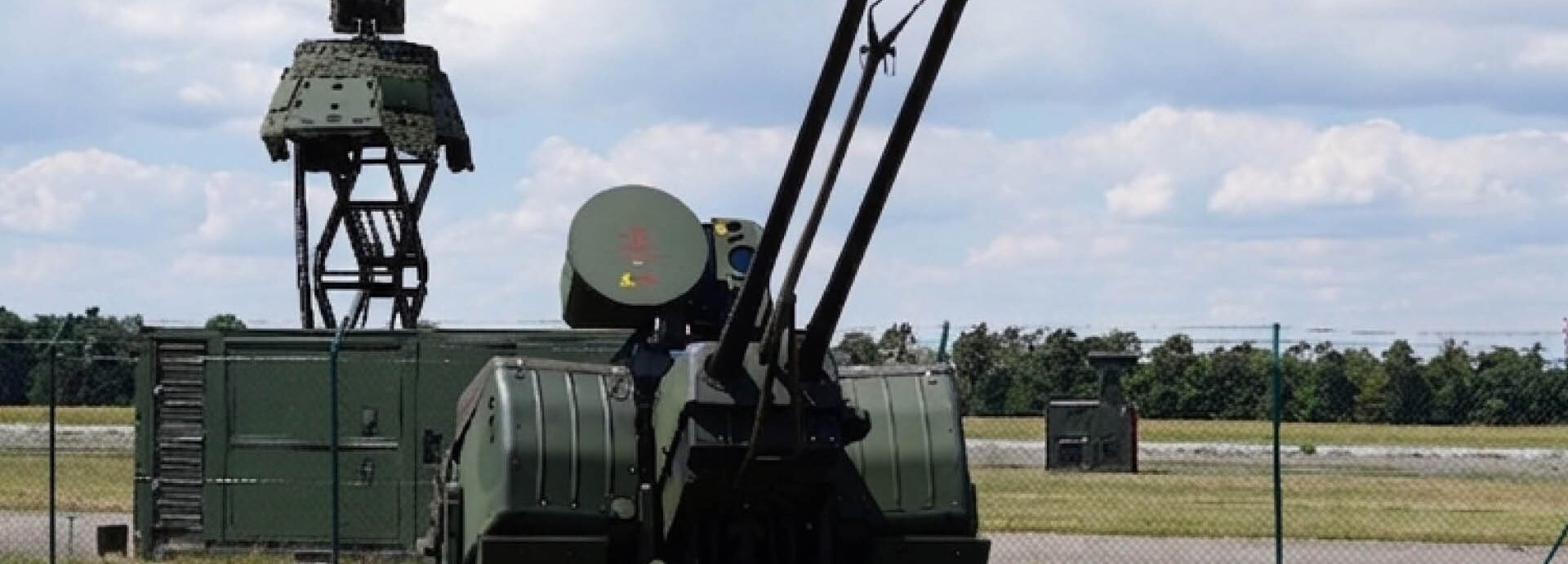
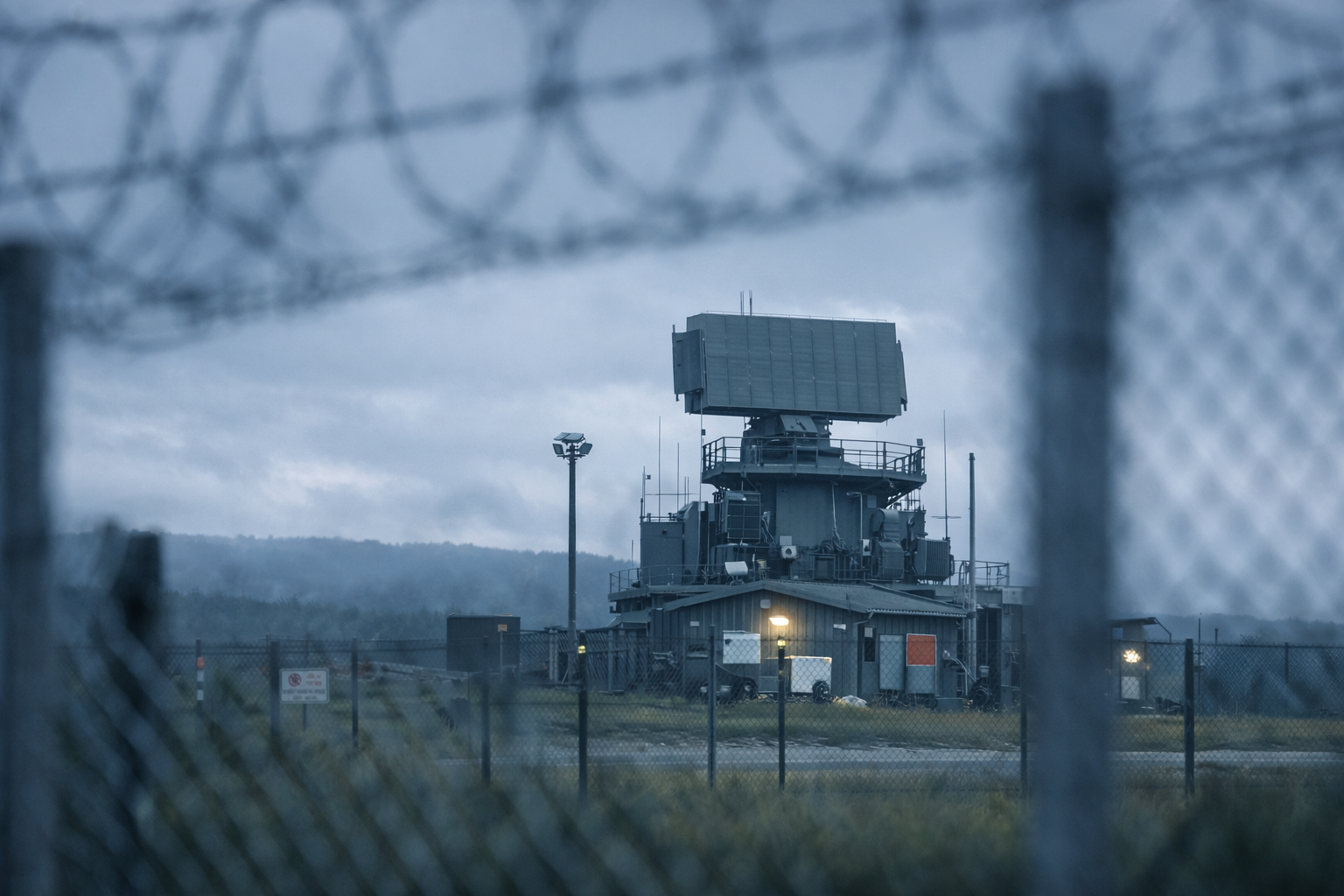
Leonardo DRS has established a UK subsidiary and opened local production for its tactical radar portfolio, giving the company a dedicated British manufacturing base for systems used in counter UAS, air defence, force protection and active protection applications.
The purpose built site expands Leonardo DRS’s manufacturing footprint and is intended to support UK customers, systems integrators and industrial partners while also serving wider European demand. The company has not disclosed the location, investment value, floor area, headcount or initial production rate, so the scale of the operation will become clearer only as specific programmes and output volumes emerge.
More than 10,000 radar panels from the company’s tactical family have already entered operational service with US forces, NATO allies and other international users. Those systems are designed to detect, track and classify airborne and ground threats including drones, rockets, artillery and mortars, giving the new UK operation an established product base rather than a radar family still awaiting operational adoption.
The Multi-Mission Hemispheric Radar architecture uses software defined, pulse Doppler active electronically scanned array technology. Instead of rotating one antenna mechanically through the search volume, electronically steered beams allow the radar to carry out surveillance and tracking functions at high update rates. Multiple interchangeable panels can be combined to provide hemispheric coverage, while software configuration allows the same core architecture to support different tactical missions.
Earlier MHR variants operate in S-band and use solid state digital electronics, while newer systems incorporate gallium nitride amplifier technology and more advanced signal processing. The RPS-92 family can handle hundreds of tracks during search, uses adaptive beam forming and is designed for operation while the host vehicle is moving. Passive cooling removes the need for a separate forced cooling system, reducing the number of supporting components that have to be accommodated during vehicle integration.
Radar performance on a tactical vehicle depends on considerably more than the antenna itself. Electrical supply, data interfaces, inertial navigation, thermal behaviour, mounting position and the movement of the host platform all affect whether the sensor can maintain useful tracks while manoeuvring. Leonardo DRS has addressed part of that integration problem through its Skid Deployment System, which packages compatible radar families onto a reconfigurable structure for vehicles, trailers or stationary positions.
The skid supports RPS-42, RPS-82 and RPS-92 sensors and is designed to connect with existing command and control systems, electronic warfare equipment and tactical networks. It can operate from a 24 to 28 volt supply and uses inertial navigation support for surveillance while moving, giving integrators a defined mechanical and electrical route for fielding the radar without redesigning an entire carrier vehicle around the sensor.
Local manufacture can shorten the engineering loop around those interfaces. A radar integrated into a counter UAS or air defence system has to pass tracks to command software, support identification and classification, and provide data of sufficient quality for another sensor or effector to act. Changes to radar software or hardware can therefore require corresponding work elsewhere in the system, particularly when the sensor is being installed on an existing vehicle rather than designed into a new platform from the outset.
British production places manufacturing and at least part of that engineering support closer to UK prime contractors and programme teams. It may also provide more flexibility when a customer needs a different mounting arrangement, software configuration or production schedule, although Leonardo DRS has not yet identified which radar variants will be built locally or what proportion of their components will come from UK suppliers.
The company is presenting the investment as a way to strengthen supply chain resilience and create skilled engineering and manufacturing work while positioning DRS UK for future exports. Those outcomes will depend on production orders rather than the existence of the facility alone. A local assembly operation and a fully developed manufacturing hub can look similar at launch but have very different effects on domestic content, technical authority and long term sustainment.
Programme selections will provide the first indication of how far Leonardo DRS intends to localise the portfolio. Production quantities, named UK suppliers and evidence of British built radar sets moving into operational systems will then show whether DRS UK develops into a substantial European production node or remains a smaller manufacturing and integration operation supporting equipment designed and sourced primarily elsewhere.