IN Brief:
- Germany will finance several tens of thousands of Quantum Systems interceptor drones for Ukraine's winter 2026/27 support package.
- Production will take place in Ukraine and expand an existing programme that previously covered 15,000 interceptor drones.
- Quantum Systems plans to continue changing the systems using feedback from Ukrainian units as threats evolve.
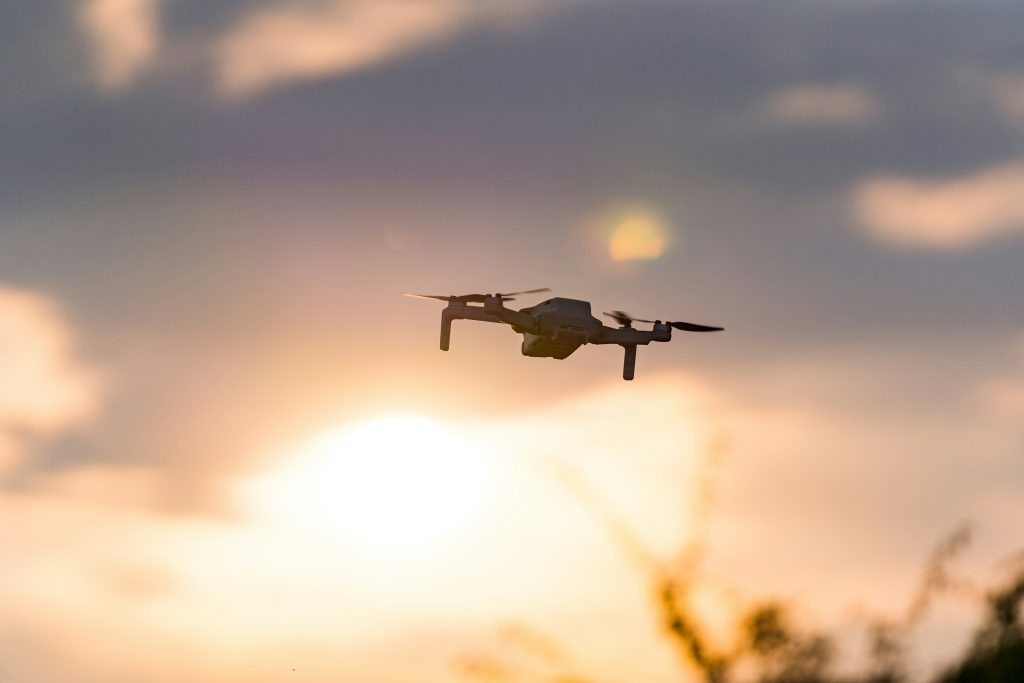
Quantum Systems is preparing to expand Ukrainian production of interceptor drones after Germany agreed to finance several tens of thousands of systems for the winter 2026/27 military aid package. The new order increases a manufacturing effort already producing interceptor systems for Ukrainian forces.
The drones will be manufactured in Ukraine through Quantum Systems’ growing German-Ukrainian industrial network rather than arriving solely as finished equipment from an overseas factory. The company has maintained a permanent presence in the country since 2022, employs several hundred people there and works directly with Ukrainian defence units to feed operational experience into product development.
An exact quantity, contract value and delivery schedule have not been disclosed. Several tens of thousands nevertheless represents a material expansion from the 15,000 interceptor programme announced in March, when Quantum Systems said Ukraine’s Security and Defence Forces had tasked it with supplying systems produced and serviced through its investment in Ukrainian manufacturer WIY Drones.
WIY specialises in interceptor drones, reconnaissance and strike aircraft, ground control stations and associated systems, while the interceptors covered by the larger German financed package are already described as being in operational use. The current announcement does not provide speed, range, sensor or engagement data, so the production programme can be assessed more confidently than the detailed performance of the aircraft themselves.
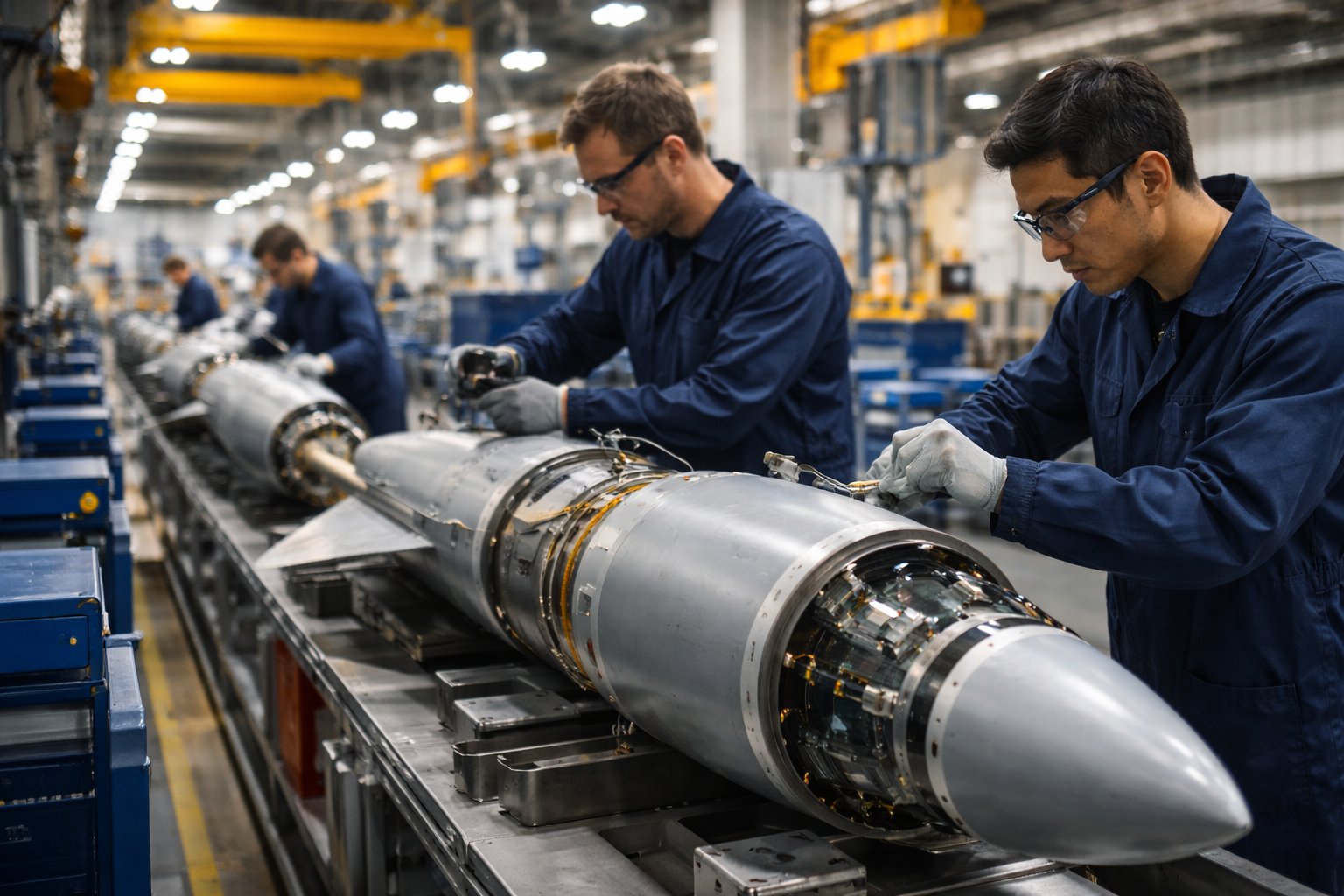
Increasing output from thousands into several tens of thousands changes the manufacturing requirement across the complete bill of materials. Airframes, motors, batteries, electronics, communication equipment and control systems all have to reach factories at a rate that matches final assembly, while quality processes have to remain consistent as additional workers, suppliers or production lines are introduced.
Interceptor drones add another complication because the design cannot remain static for long periods if the target set continues to change. Quantum Systems says it will keep improving the systems using feedback from the units operating them, which means engineering revisions have to move through configuration control and production without leaving factories building large quantities of an obsolete variant.
That feedback loop is one reason for locating production in Ukraine. Engineering teams can work more closely with users, while damaged or recovered equipment and operational reports can move into the development process without the same geographic separation as a remote production model. Local manufacture also reduces reliance on cross-border movement of complete systems, although imported components can still expose the programme to external bottlenecks.
Quantum Systems has been expanding vertical integration elsewhere in its supply chain. In February it acquired German electric motor specialist Hacker Motor, whose propulsion technology is already used across company platforms. Owning that capability does not make the interceptor programme entirely self sufficient, but it gives the group more direct control over one component class that becomes increasingly important when unmanned aircraft production moves to industrial volumes.
The Ukrainian operation is part of a broader structure that includes Quantum WIY Industries, Quantum Frontline Industries and Quantum Tencore Industries. The companies cover different unmanned system areas, allowing Quantum Systems to combine Ukrainian platform development and operational experience with German industrial capacity rather than attempting to centralise every vehicle family in one production organisation.
Mission software will have to scale alongside the airframes. Quantum Systems positions its MOSAIC UXS environment as a way to connect unmanned systems, sensors and mission software across an operational network. Interceptor aircraft require target information and tasking before an engagement, so the useful production measure is not merely how many vehicles leave a factory but how many can be incorporated into the wider detection, command and engagement chain.
Faster attack drones are also changing the timing available to that chain. Higher target speed reduces the interval between detection and impact, compressing classification, tasking, launch and interception. Quantum Systems says development will continue as threats evolve, but the company has not released sufficient technical information to compare the current interceptor against faster jet powered targets or establish the limits of its engagement envelope.
The company has also signed a memorandum with Ukrainian defence business Fire Point to develop technologies for unmanned systems and countering advanced aerial threats. That agreement was signed during the same Kyiv visit and reinforces the expectation that the manufacturing network will continue to introduce new configurations rather than settle around one fixed interceptor design.
Germany’s financing creates a measurable industrial test over the coming winter. Quantum Systems must expand output well beyond the earlier 15,000-system programme while absorbing engineering changes, maintaining component supply and keeping production close enough to Ukrainian operations for feedback to remain useful. Monthly output, delivery milestones and any future disclosure on the interceptor’s performance will show whether that production system can scale as rapidly as the funded quantity now requires.