IN Brief:
- BAE Systems and Bombardier have signed an exploratory memorandum on next-generation combat-air capabilities in Canada.
- Potential work covers aircraft and mission-system design, digital engineering, manufacturing, supply chains and sustainment.
- No specific aircraft award, workshare, investment commitment or timetable has been agreed under the memorandum.
BAE Systems and Bombardier have signed a memorandum of understanding to examine Canadian participation in future combat-air engineering and industrial activity. The British defence group and Canadian aerospace manufacturer will assess potential cooperation in research and development, aircraft and mission-system integration, manufacturing, workforce development, supply chains and long-term support. The agreement is exploratory rather than an aircraft procurement or production contract. Neither partner has assigned a particular aircraft design, investment programme or volume of manufacturing work to the collaboration.
The two companies intend to identify practical areas where their capabilities overlap, with projects assessed against government requirements and industrial priorities. Bombardier brings aircraft design, production and specialist-mission integration experience; BAE Systems brings combat-air engineering, military avionics and support capabilities. The cooperation could address particular systems or services without requiring both businesses to participate in construction of an entire aircraft. A subsequent work package would need its own customer, technical specification, commercial allocation and delivery commitments.
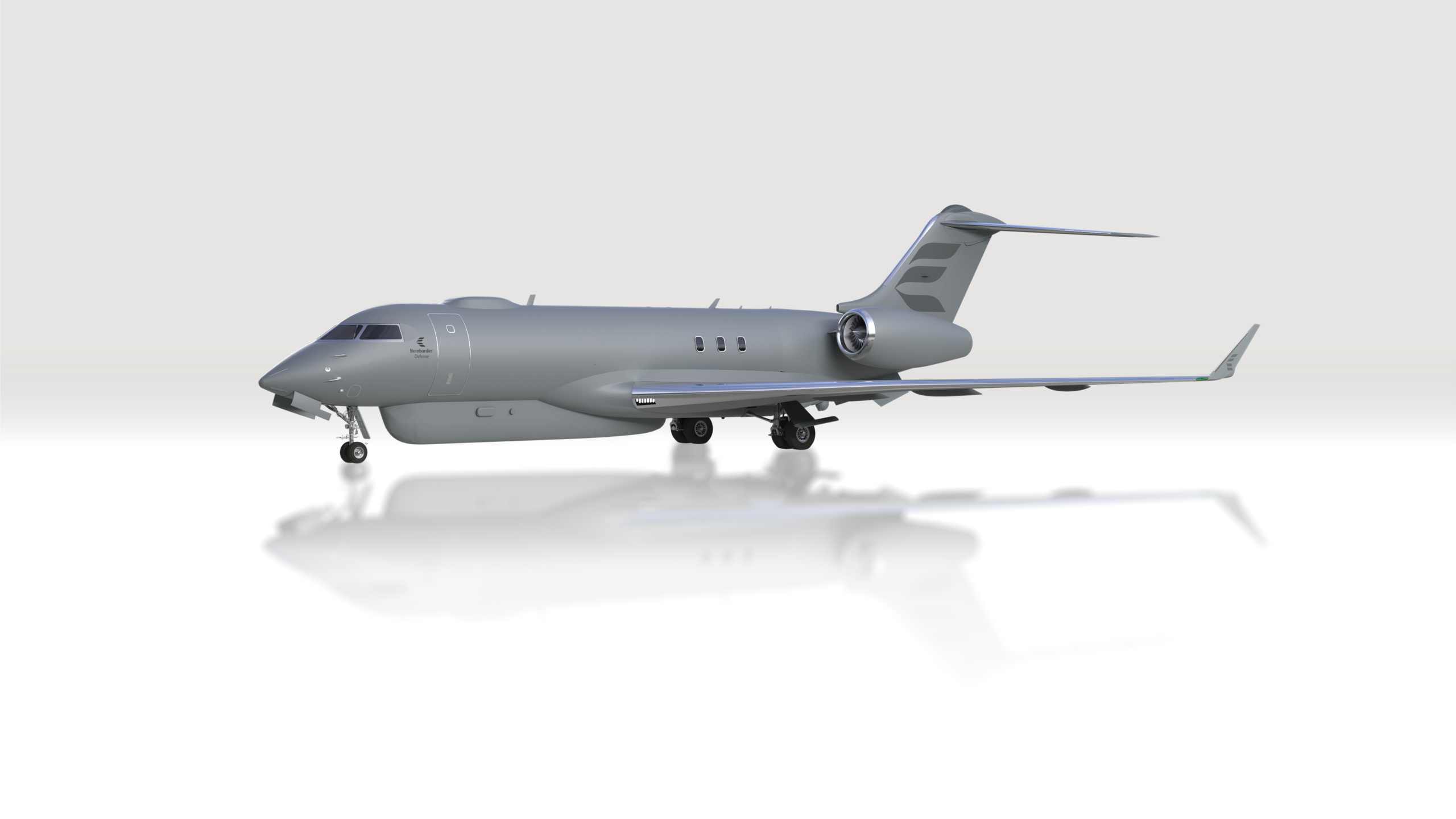
Bombardier has developed a defence business around aircraft adapted for government and military missions, including surveillance and specialised airborne operations. Its Global aircraft family offers payload capacity and endurance that can support complex mission equipment, although the partners have not selected a Global variant for joint work. BAE Systems’ combat-air activity encompasses aircraft engineering, mission-system integration and sustainment. Combining those skills would be relevant to projects involving sensors, electronic systems or support arrangements, but no new aircraft conversion or prototype has been commissioned through this memorandum.
An aircraft’s basic design and its military mission systems require distinct but closely coordinated engineering. The air vehicle determines structures, loads, propulsion and flight controls; sensors, processors, communications and crew interfaces impose electrical, thermal, aerodynamic and data-handling demands. Installing mission equipment can change weight distribution, cooling needs and electromagnetic compatibility. Integration work therefore has to define interfaces, control configuration changes and produce evidence for applicable airworthiness approval. Those processes would become specific responsibilities only when the partners agree a technical programme.
Digital engineering is another possible point of cooperation. Requirements, three-dimensional models, component baselines, manufacturing records and maintenance histories must remain connected when systems change during an aircraft’s service life. A controlled digital thread can help trace an altered avionics requirement through design, installation and support, provided that data access, configuration authority and security arrangements are agreed. Cross-border defence work adds export-control and information-protection obligations. BAE Systems and Bombardier have not specified a common engineering platform or assigned ownership of sensitive design data.
Industrial participation also extends beyond an aircraft’s final assembly. Aircraft structures, wiring, processors, test equipment, software verification, spares and repair services may involve different suppliers, qualification standards and contractual obligations. Bombardier’s Canadian engineering and production capacity could support some of those activities, while BAE Systems has experience managing defence-specific testing and certification. A supplier’s inclusion in an exploratory partnership, however, does not constitute qualification or a purchase order. Actual participation will depend on programme requirements, industrial workshare and the jurisdictions governing controlled technology.
Canada became the first observer nation in the Global Combat Air Programme (GCAP) in July 2026. The programme’s founding partners are the UK, Italy and Japan, and BAE Systems is involved in the industrial effort to develop their next-generation combat aircraft. Observer status gives Canada greater insight into the programme and its industrial framework, but does not make it a development partner or allocate funding and manufacturing work. The BAE Systems–Bombardier agreement likewise assigns neither company a new GCAP contract and makes no commitment that Canada will buy a GCAP aircraft.
Simon Barnes, group managing director of BAE Systems Air, linked the partnership to Canada’s Defence Industrial Strategy. Bombardier describes the agreement as an opportunity to extend its defence engineering and industrial capabilities into future combat-air activity. Those ambitions leave several decisions with governments and future customers: whether a programme is funded, which platforms and mission systems are required, where design authority lies and how work is divided across the supply chain. The two companies can now assess those questions together before proposing an executable project.
Any joint proposal would still require a defined technical baseline, responsibility for testing and certification, access to intellectual property and arrangements for through-life maintenance. A project centred on upgrading an existing aircraft would have different production and assurance demands from one supplying mission equipment to a new combat platform. The current memorandum establishes a framework to explore both companies’ capabilities in Canada; a particular aircraft programme, development timetable and binding industrial commitments remain to be determined.