IN Brief:
- Lockheed Martin and the US Army redirected a launched GMLRS rocket during a White Sands test.
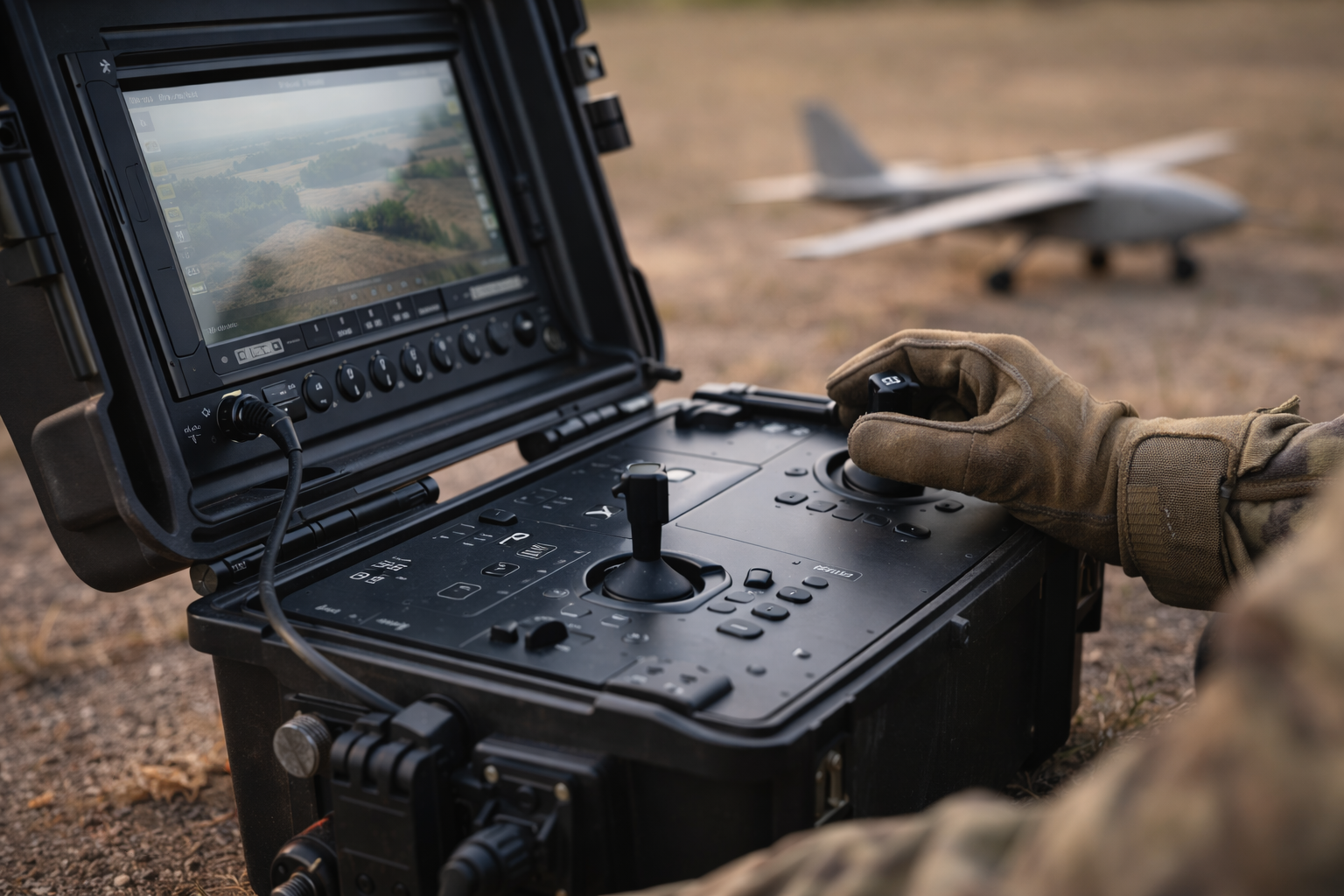
- The demonstration used a HIMARS launcher, Strigo datalink and Remote Interceptor Guidance-360 integration.
- The successful moving-target engagement does not establish operational fielding or qualification across other missile types.
Lockheed Martin and the US Army have redirected a Guided Multiple Launch Rocket System (GMLRS) round after launch and struck a moving target during a test at White Sands Missile Range in New Mexico. The rocket was fired from a High Mobility Artillery Rocket System (HIMARS) launcher before an updated target was transmitted using Lockheed Martin’s Strigo datalink and Remote Interceptor Guidance-360 (RIG-360) integration. The company funded the integration work internally and describes the firing as a first for the programme.
GMLRS normally receives its firing information before launch, with the rocket’s guidance system using that assignment during flight. A moving target presents a more demanding problem because the useful aim point can change while the weapon is travelling. In the White Sands trial, new target information reached the rocket after it left the launcher, allowing its guidance system to alter the flight path. The result establishes a successful engagement with the tested equipment and conditions; it does not establish performance against every moving target or over a range of engagements.
Lockheed Martin connected its Strigo communications technology and RIG-360 guidance integration to an existing guided-rocket system rather than presenting a wholly new rocket design. The trial’s configuration illustrates a way of adding an update path to a fielded weapon family, although the company has not specified the modified components, command-message format or timing of the update. Those details affect how a production implementation might interact with the rocket’s guidance electronics, control authority and remaining flight time.
Retargeting depends on the quality and timeliness of the information supplied to the weapon. A sensor or command system must produce an updated location, the targeting process must establish which object is being engaged, and the communications path must deliver an authorised change while the rocket can still manoeuvre towards it. Once received, the guidance system has to translate the revised target position into commands within the weapon’s available control margins. Lockheed Martin has demonstrated that these functions can be combined in one trial, without identifying every sensor or command element used.
HIMARS served as the launcher at White Sands, but its role in the firing does not demonstrate that all HIMARS units can use the new capability. A wider installation would have to account for launcher software, weapon configuration, network access, command responsibility and integration with the targeting systems available to a particular unit. Lockheed Martin’s test connects existing elements of its precision-fires portfolio; customers would still need to establish which interfaces and modifications are appropriate for their operational equipment.
The company sees potential application of the Strigo datalink approach beyond standard GMLRS, including Extended Range GMLRS and the Precision Strike Missile. Those systems have different flight envelopes, packaging constraints, guidance implementations and qualification requirements. A communications concept that works on one rocket cannot be assumed to provide the same manoeuvring margin or update window on another munition. No retargeting firing involving those additional weapon types has been reported as part of the White Sands event.
Reliability and command assurance would be central to a fielded version. Updated information must be associated with the intended rocket and engagement, and an interrupted or degraded link must leave the weapon operating within defined safety and control conditions. Electronic interference, the timeliness of target data and the point in flight at which a new aim point can still be reached would all affect usable performance. The Army and Lockheed Martin have not published the tested link’s resistance to interference, target-speed limits or repeatability figures.
Randy Crites, vice-president of Lockheed Martin Advanced Programs, linked the demonstration to the integration of GMLRS, RIG-360 and Strigo. A single moving-target hit provides evidence of a functioning combined system during the trial, while a fielded capability would require a repeatable engineering configuration and military qualification. Neither a fleet retrofit decision nor a procurement timetable for this retargeting package has been identified. The distinction leaves the successful test intact without treating it as a completed deployment programme.
Further technical work would need to establish how revised target information travels from different sensor networks through launch and command systems to the rocket, with configuration control maintained across the chain. Testing under varied flight profiles and communications conditions would establish the limits of the approach, while customer decisions would determine whether to fund production integration. The White Sands result demonstrates a specific mid-flight change of target against a moving object using HIMARS, Strigo and RIG-360; operational adoption remains a separate step.