IN Brief:
- HD Hyundai is building two additional 3,200-tonne frigates for the Philippine Navy under a December 2025 contract.
- The new vessels will incorporate combat and accommodation improvements while retaining the existing Miguel Malvar-class design.
- Hanwha Systems will supply Naval Shield combat management systems and tactical datalinks, with deliveries of the ships expected by 2029.
HD Hyundai Heavy Industries has confirmed that the Philippine Navy's next two frigates will incorporate enhanced combat capabilities, operational performance, and crew accommodation while retaining the established Miguel Malvar-class design.
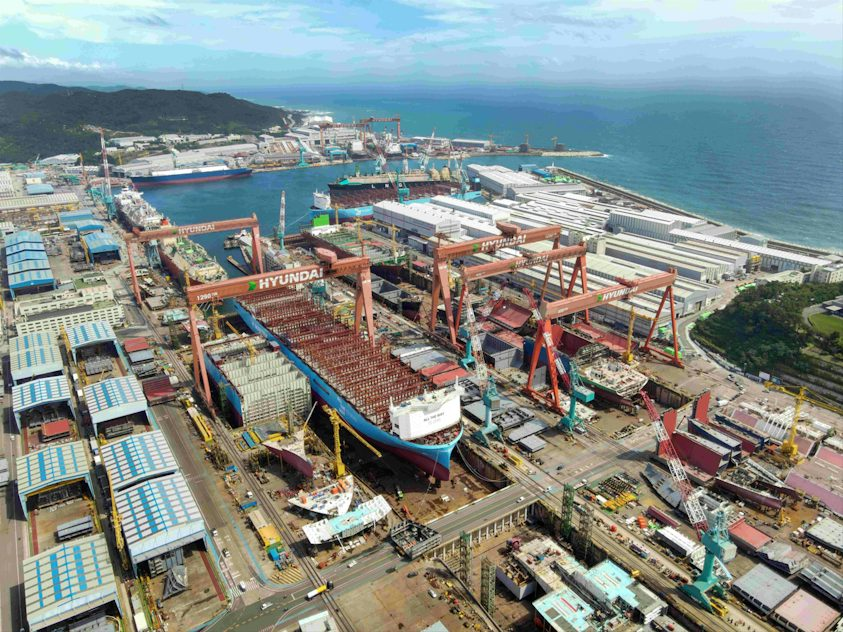
The South Korean shipbuilder provided additional details of the planned configuration following the start of construction at its Ulsan shipyard. Both vessels will be based on the two 3,200-tonne Miguel Malvar-class ships commissioned by the Philippine Navy during 2025.
HD Hyundai has not disclosed the complete equipment configuration or identified the systems responsible for the announced improvements. Its confirmation establishes the intended direction of the second production batch without specifying additional weapons, sensors, or changes to missile capacity.
The first steel-cutting ceremony took place on 4 November, marking the beginning of physical construction of the lead vessel. HD Hyundai is working towards deliveries by 2029 under a contract signed with the Philippine Department of National Defense in December 2025.
The order is valued at KRW844.7bn, according to the shipbuilder's corporate filing. It forms part of the Philippines' wider naval modernisation programme and extends an established relationship between the country's defence authorities and the South Korean shipbuilding industry.
Retaining the existing class design provides a common engineering starting point for the new ships. Established hull arrangements, machinery spaces, equipment foundations, and technical documentation can be reused where the final configuration permits, reducing the amount of redesign required before production.
HD Hyundai has identified operational efficiency and maintenance commonality among the intended advantages. The extent of that commonality will depend on which existing systems are retained and how the confirmed enhancements are incorporated into the second batch.
A common hull design does not necessarily produce an identical equipment installation. Changes to surveillance systems, weapons, or communications equipment can affect electrical loads, cooling requirements, cabling, and the physical arrangement of shipboard machinery.
Additional equipment may also require changes to supporting structures, access routes, and maintenance arrangements. Such modifications must be assessed within the vessel's overall weight, stability, power, and environmental control requirements.
The Miguel Malvar class is derived from HD Hyundai's HDC-3100 design, adapted to meet Philippine naval requirements. The existing vessels are equipped for multiple surface combatant roles, combining surveillance sensors, missile systems, naval guns, and underwater warfare equipment.
These systems operate through a combat management architecture that brings information from different sensors into a coordinated tactical picture. The architecture also provides interfaces through which operators can manage compatible weapons and exchange information with other naval platforms.
Hanwha Systems has already secured a separate KRW40bn contract to provide combat management systems and tactical datalinks for the two new frigates. The award was confirmed in December 2025 and provides one of the few publicly identified equipment selections for the second batch.
The company will supply its Naval Shield combat management system, based on the Baseline 2.4 architecture used aboard the existing Miguel Malvar-class vessels. This provides a degree of commonality between the two production batches, although the complete installed configurations have not been published.
Naval Shield combines information processing and combat management functions within a shipboard system. Sensor data, operational information, and command functions must be handled through defined interfaces, allowing equipment supplied by different manufacturers to contribute to the vessel's wider combat capability.
Tactical datalinks provide a separate communications function, enabling compatible naval platforms to exchange selected operational information. Their integration must account for communications equipment, network interfaces, software configuration, and the requirements of the ship's combat management system.
The equipment award therefore establishes part of the integration work already associated with the new frigates. It does not reveal every enhancement referred to by HD Hyundai in its subsequent confirmation of the upgraded design.
Earlier reporting raised the possibility that additional funds could support a more complete sensor and weapons fit, potentially including towed-array sonar. However, the shipbuilder has not confirmed such an installation, and no equipment selection should be inferred solely from the higher contract value.
A towed-array sonar introduces technical requirements involving sensor deployment, handling equipment, acoustic processing, and integration with the ship's underwater warfare systems. These requirements can affect internal space, stern arrangements, machinery, and equipment support, making a confirmed installation a material design decision.
No such design decision has been established publicly for the new Philippine frigates. The final sensor configuration will need to be confirmed through the shipbuilding programme or the relevant equipment suppliers.
Crew accommodation improvements introduce another set of engineering considerations. Changes to berthing, working areas, and personnel facilities must be accommodated alongside ventilation, electrical services, access arrangements, and the vessel's safety requirements.
HD Hyundai has not identified whether the second batch will carry more personnel or simply provide revised accommodation for the existing crew establishment. The nature of the improvements will become clearer as detailed design and outfitting information is disclosed.
The Philippine Navy's existing vessels provide an operational reference for the second batch. BRP Miguel Malvar and BRP Diego Silang entered service during 2025, creating an established class around which additional maintenance, training, and logistics arrangements can be developed.
Common equipment across a larger class can reduce the number of distinct spare parts and support procedures required. Where the new vessels incorporate different components or software versions, those variations will still need to be recorded and maintained throughout their operational lives.
HD Hyundai's wider Philippine naval programme includes the earlier Jose Rizal-class frigates and six offshore patrol vessels. The latest construction contract continues the shipbuilder's role in providing surface combatants to the Philippine Navy, with different vessel types being delivered against separate procurement requirements.
Construction of the two new frigates will involve hull fabrication, machinery installation, electrical outfitting, integration of combat equipment, and subsequent testing. Each stage must reflect the final configuration agreed with the customer rather than the general improvements identified in the initial disclosure.
The November steel-cutting milestone confirms that physical production has begun. The engineering changes incorporated into the second batch, particularly the additional combat capability and accommodation arrangements, will become more clearly defined as equipment installation and acceptance testing progress towards the planned 2029 deliveries.