IN Brief:
- Babcock and Saab Denmark signed a memorandum of understanding on 6 November covering future Arrowhead frigate opportunities.
- The companies will investigate shipborne communications integration through technical studies and engagement with potential naval customers.
- The agreement extends Babcock's Danish industrial partnerships but does not constitute a frigate order or equipment procurement award.
Babcock International Group and Saab Denmark have signed an agreement to examine shipborne communications integration for future Arrowhead frigates, extending the British defence company's industrial cooperation with Danish naval technology suppliers.
The memorandum of understanding, signed on 6 November, covers technical information exchange, systems integration studies, and engagement with prospective naval customers. It establishes a basis for cooperation rather than awarding either company a contract to design, manufacture, or install specific communications equipment.
Denmark is among the potential markets identified by the companies, although the agreement also applies to Arrowhead opportunities elsewhere. No Danish frigate selection has been announced, and neither partner has disclosed a project value, equipment configuration, or timetable for completing the studies.
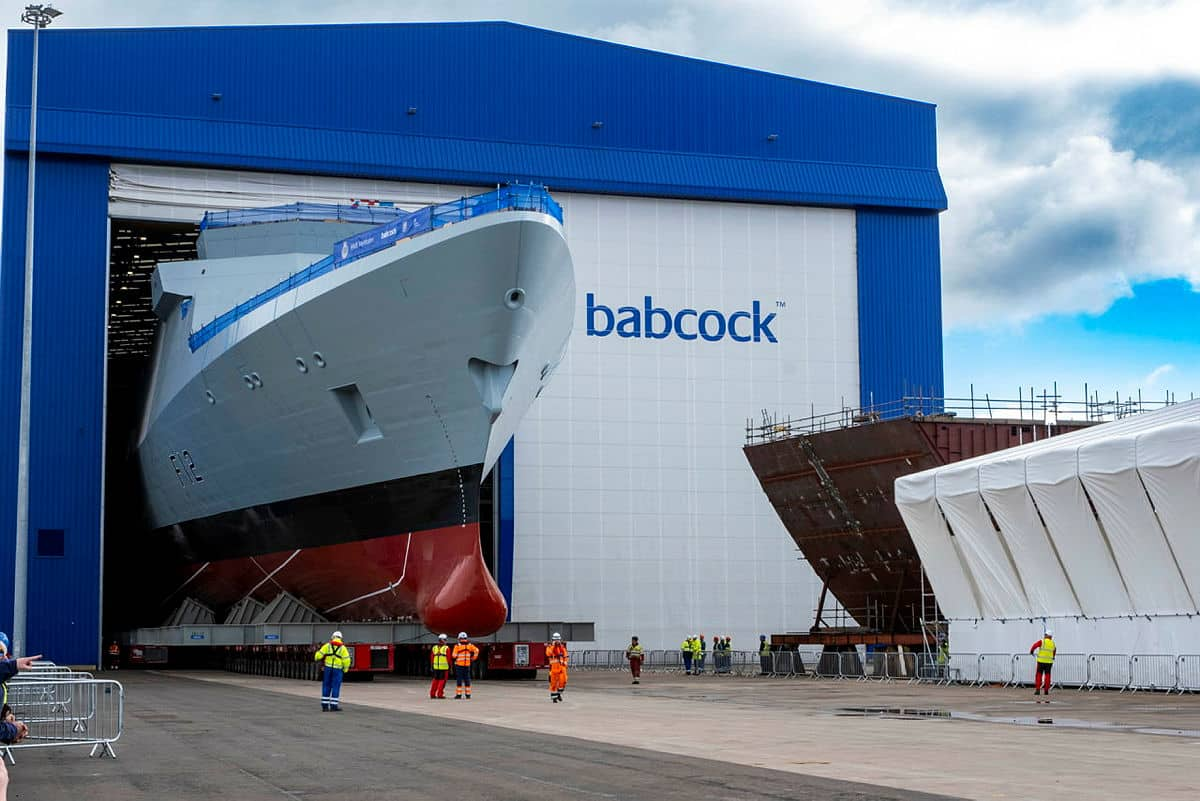
Babcock's Arrowhead family provides a common platform design that can be adapted to different national requirements. The Arrowhead 140 forms the basis of the Royal Navy's Type 31 frigates, Poland's Miecznik programme, and Indonesia's Merah Putih ships, with different equipment arrangements and industrial responsibilities across those programmes.
Saab Denmark brings expertise in naval communications integration, software development, and equipment sustainment. The proposed cooperation will examine how those capabilities could be incorporated into future Arrowhead installations, drawing on Danish engineering resources as well as Babcock's existing platform design experience.
Communications equipment forms part of a warship's wider electronic architecture. A frigate may require voice communications, tactical data exchange, external networks, and connections between shipboard command systems, with the exact arrangement determined by the customer's operational and security requirements.
Integrating those functions involves establishing how equipment exchanges information, how different systems are connected, and whether their interfaces are compatible. The choice of communications hardware also affects electrical power demand, equipment spaces, cabling, and the positioning of antennas around the vessel.
Antennas and other radio-frequency equipment must be positioned with regard to the ship's structure and neighbouring electronic systems. Their operation can affect, or be affected by, radars, navigation equipment, and electronic warfare installations, making electromagnetic compatibility part of the design and testing process.
Communications performance also depends on the type of connection involved. Equipment used for line-of-sight radio communications faces different operating constraints from systems relying on satellite connections or shipboard data networks, while each must be integrated with the relevant control and information handling arrangements.
Saab Denmark's participation could introduce additional software and engineering resources to this process. However, neither company has identified the specific radios, datalinks, antennas, or network systems that might form part of a future installation.
Henrik Madsen, Chief Commercial Officer at Saab Denmark A/S, identified the company's existing experience in naval communications as the basis for the arrangement.
"Saab Danmark offers proven expertise in integrating and sustaining mission-critical communication systems for naval customers," he said.
Technical cooperation at this stage can help establish whether proposed equipment is compatible with the platform architecture before a customer commits to a final configuration. It can also identify requirements for engineering documentation, software interfaces, equipment qualification, and subsequent maintenance.
The companies have not announced a completed integration design or demonstrated an installed communications system under the new agreement. Any such work would require additional engineering activity and, where applicable, separate commercial or procurement arrangements.
Babcock has developed international Arrowhead programmes around local shipbuilding and equipment partnerships. The Polish Miecznik programme uses the Arrowhead 140 design within a nationally led shipbuilding arrangement, while Indonesia is developing frigates using design licences and domestic construction capacity.
The Royal Navy's Type 31 programme provides a further production reference through Babcock's Rosyth shipbuilding facilities. Although the programmes share a design lineage, their equipment selections and industrial arrangements reflect the requirements of their individual customers.
That variation creates a need to manage configuration differences during engineering, manufacture, and maintenance. A communications installation accepted for one frigate configuration cannot automatically be treated as qualified for another, particularly where the associated sensors, combat management equipment, or national security requirements differ.
Babcock has been developing a broader Danish industrial partnership in anticipation of potential future naval programmes. In August, the company signed a letter of collaboration with Danske Flådeskibe, a Danish consortium exploring opportunities to support a domestic frigate construction and sustainment programme.
The proposed industrial approach involves participation by Danish engineering and shipbuilding companies. Babcock has also signed separate cooperation agreements covering naval platform systems, mission integration, and autonomous capabilities, establishing relationships with suppliers whose technology could be considered for future ships.
The Saab Denmark memorandum adds communications expertise to that network. Each agreement covers a different area of prospective cooperation, and none establishes that Denmark has committed to acquiring Arrowhead frigates.
Sir Nick Hine, Babcock's Chief Growth Officer and Chief Executive – Marine, said: "Working with local capability sits at the heart of our approach to naval programmes around the world."
The arrangement envisaged by Babcock would allow domestic companies to contribute equipment and engineering expertise while drawing on an established platform design. Its eventual industrial value would depend on the procurement decisions made by individual naval customers and the scope of work awarded to participating suppliers.
Shipborne communications equipment also creates a sustained engineering requirement after delivery. Software revisions, equipment obsolescence, repairs, and changes to external networks can require the installed systems to be maintained or modified throughout the vessel's operating life.
Any such changes must preserve compatibility with the ship's approved configuration. The necessary support arrangements can influence the selection of suppliers during procurement, particularly where a customer intends to retain domestic expertise for future equipment upgrades.
Saab Denmark's involvement provides a prospective local engineering route for those activities, although the agreement has not allocated manufacturing quantities, defined through-life support responsibilities, or established a communications production programme.
The partners will now examine technical integration requirements and engage with potential customers. A confirmed equipment selection, completed engineering study, or subsequent procurement contract would represent the next substantive development under the November agreement.