IN Brief:
- Saab has signed an approximately SEK2bn contract with Naval Group for equipment on four FDI frigates intended for Sweden.
- The package includes RBS15 missiles, lightweight torpedoes, Sea Giraffe 1X radar, fire-control directors, and Trackfire weapon stations.
- Equipment deliveries will run from 2027 to 2034, with integration requiring coordination between Swedish systems and the French naval platform.
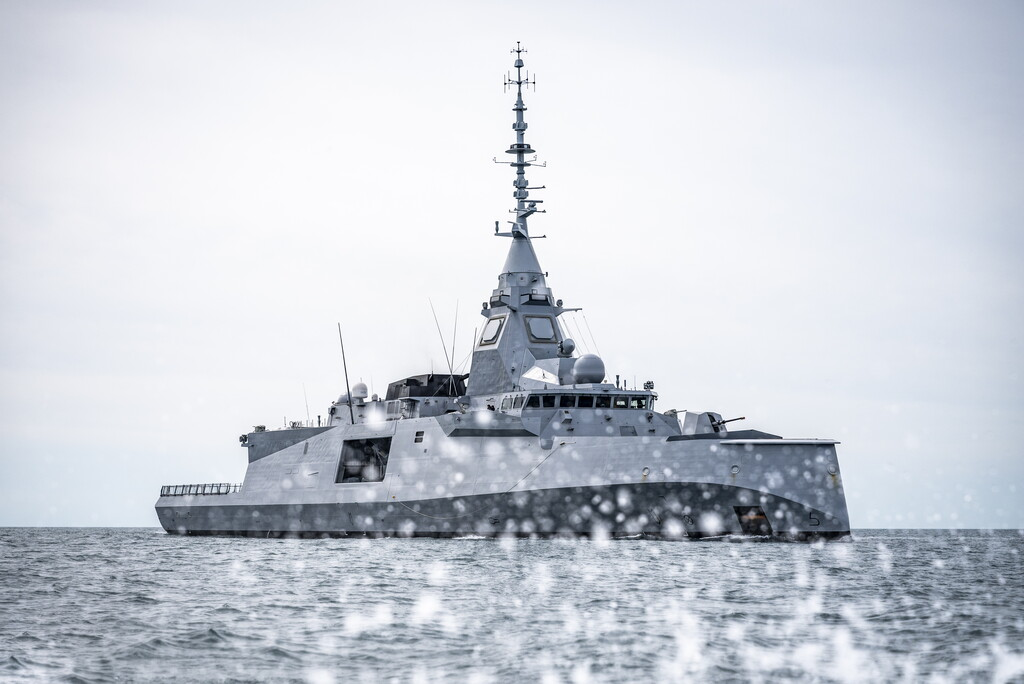
Saab has signed a contract worth approximately SEK2bn with French shipbuilder Naval Group to deliver and integrate weapon control systems, sensors, and associated equipment for four FDI frigates intended for Sweden.
The agreement covers several established Saab product families, including the RBS15 anti-ship missile, Saab Lightweight Torpedo, Sea Giraffe 1X surveillance radar, and Trackfire Remote Weapon Station. It also includes a Weapon Control System and the CEROS and EOS 500 fire-control directors.
Saab confirmed the agreement on 6 November, with deliveries to Naval Group scheduled between 2027 and 2034. The company has not disclosed the number of individual weapons or sensors included in the order, nor a breakdown of manufacturing and integration expenditure.
The contract gives Saab responsibility for a substantial equipment package within a naval platform designed by another manufacturer. Its execution will require the two companies to coordinate installation requirements, equipment interfaces, and testing as the frigate configurations are developed.
Naval Group's FDI design is intended to combine surveillance, communications, and weapons systems within an integrated combat architecture. Incorporating Saab equipment introduces Swedish-developed capabilities while retaining the underlying French platform design.
The inclusion of several product families in one contract creates interdependent engineering requirements. Sensors must provide usable information to appropriate control systems, while weapons require compatible launch arrangements, electrical connections, and interfaces with the ship's wider combat equipment.
Sea Giraffe 1X provides radar surveillance capability for detecting and tracking targets in the air and on the sea surface. Its installation aboard a frigate requires consideration of antenna coverage, structural support, electrical supply, and the electromagnetic environment created by other shipboard equipment.
Radar performance depends on several factors, including target characteristics, installation geometry, and surrounding operating conditions. The equipment also has to exchange information with other systems if its tracking data is to contribute to the vessel's wider tactical picture.
The contract includes CEROS and EOS 500 fire-control directors, which perform more specialised observation and tracking functions. CEROS combines radar and electro-optical capabilities, while EOS 500 uses electro-optical sensors to support surveillance and target tracking.
These systems must operate within the interfaces and procedures established for the ship's weapons. Accurate sensor information is one component of the overall process, but an effective installation also requires compatible control equipment, software, and verified data exchange between participating systems.
Integrating surveillance radar and fire-control equipment can involve different operating requirements. A surveillance radar may maintain awareness of a wider area, while a fire-control director is configured to provide more detailed information for particular tracking or engagement functions.
The RBS15 introduces Saab's established anti-ship missile technology to the equipment package. Shipboard integration will require compatibility between the launch installation, associated weapon controls, mission information, and the frigate's selected combat system.
Although Saab has confirmed the RBS15 family as part of the contract, it has not specified the missile quantities, complete configuration, or installation arrangement. Those details should not be inferred from equipment fitted to other Swedish naval platforms.
Saab Lightweight Torpedo equipment provides an underwater warfare element. Torpedo integration involves mechanical and electrical interfaces, launch equipment, associated control functions, and coordination with the ship's underwater detection and combat systems.
The manufacturer has not identified the exact torpedo quantity or described the final onboard configuration. Equipment deliveries under the contract will therefore establish part of the frigate's intended capability without defining every aspect of its anti-submarine warfare arrangement.
Trackfire adds a remotely operated weapon system to the package. Installing such equipment requires the appropriate foundations, electrical services, control interfaces, and a suitable field of operation around the vessel's structure.
Positioning weapons and sensors aboard a warship creates practical constraints because equipment competes for space, power, and installation locations. A sensor may require an unobstructed view, while a weapon system needs a suitable operating arc and clearance from structures or other equipment.
Design teams must also account for the weight and physical characteristics of the selected systems. Concentrating equipment above deck can affect structural requirements and weight distribution, making installation arrangements part of the wider naval engineering process.
Software interfaces introduce a further integration requirement. Sensor and weapon control equipment must exchange information according to the system architecture selected for the ship, with appropriate verification that data and control functions operate as intended.
The equipment listed in Saab's contract does not establish that the company will supply the entire combat management system or every weapon and sensor aboard the frigates. Other elements remain within the wider Naval Group programme and its associated supply arrangements.
Configuration control will become important as the ships move through detailed design, production, and testing. Alterations to equipment arrangements or software versions must be assessed against the approved interfaces, documentation, and qualification requirements for each installation.
Saab's participation also provides an element of Swedish industrial continuity. Several of the company's naval product families have established applications within Sweden's defence sector, although the extent of commonality with existing Swedish Navy equipment will depend on the final frigate configurations.
Mats Wicksell, head of Saab's Naval business area, said the agreement would provide integrated capabilities for responding to threats above and below the surface. The manufacturer's confirmed role includes both equipment deliveries and the associated integration work with Naval Group.
The delivery period extends over seven years, reflecting the lengthy development and construction schedules involved in major naval programmes. Individual systems may be required at different stages, depending on whether they are installed during initial outfitting or later equipment integration.
Testing must establish that the selected systems function correctly within the ship's completed configuration. Equipment qualification, interface testing, and subsequent platform acceptance are separate activities, and successful testing of an individual product does not automatically demonstrate that the entire integrated installation meets customer requirements.
The SEK2bn agreement establishes Saab's contracted contribution to the four-frigate programme. Its next measurable milestones will be the manufacture, delivery, integration, and acceptance of the specified equipment between 2027 and 2034.