IN Brief:
- Lockheed Martin has delivered its 100,000th GMLRS rocket and reports an annual production rate approaching 14,000.
- General Dynamics Ordnance and Tactical Systems has completed an initial test of a new GMLRS solid rocket motor.
- Further motor qualification is planned for 2027, with the aim of creating a third domestic motor supply source.
Lockheed Martin has delivered its 100,000th Guided Multiple Launch Rocket System (GMLRS) rocket and increased production to a rate of nearly 14,000 units a year, while a separate programme to qualify another US source of solid rocket motors has completed its first test. The company marked the milestones at its Camden operation in Arkansas on 10 November, linking the higher output rate with work to diversify a key part of the rocket supply chain.
Lockheed says its present manufacturing rate of nearly 14,000 rockets annually was achieved ahead of schedule, without identifying a previously published deadline or output baseline in the announcement. The 100,000th rocket is a cumulative programme delivery milestone; the annual rate describes production capacity now being achieved. Neither figure should be converted into a claim that 14,000 GMLRS rounds have already been delivered during 2026.
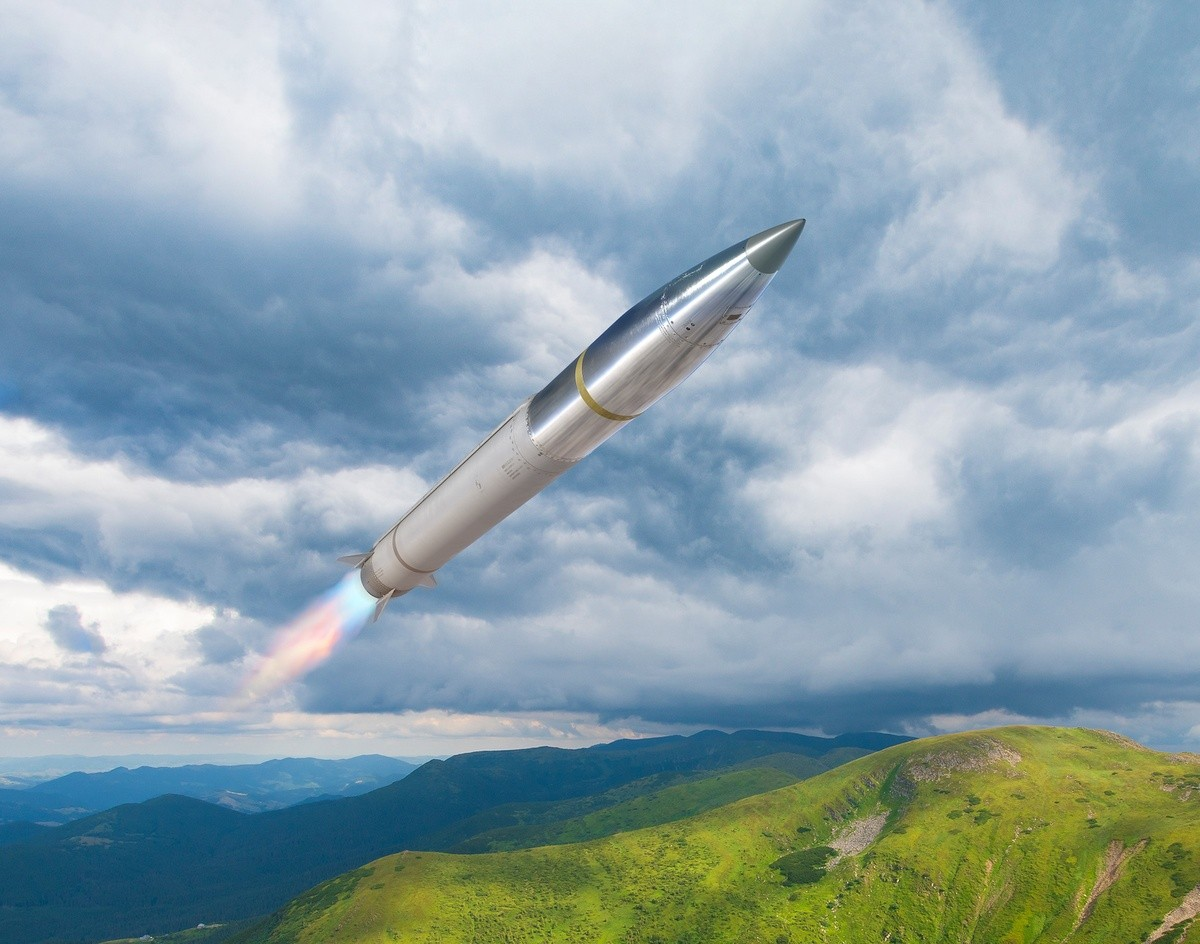
GMLRS is a guided artillery rocket family used with the tracked M270 launcher and the wheeled High Mobility Artillery Rocket System (HIMARS). The system combines rocket propulsion, guidance electronics, flight-control equipment, and a mission-specific warhead. Producing compatible rounds at scale depends on consistent manufacture and qualification of each of those assemblies, rather than on the final rocket integration line alone.
The new propulsion development is being undertaken with General Dynamics Ordnance and Tactical Systems (GDOTS). According to Lockheed, the partners recently completed the first test of a new solid rocket motor intended for GMLRS. Further testing is planned before qualification in 2027, with the objective of establishing a third domestic source for a component whose availability can constrain the rate at which completed rockets can be assembled.
Qualifying a new motor requires more than demonstrating ignition during a single ground test. A solid-propellant unit must produce acceptable thrust and pressure behaviour under defined operating conditions, withstand relevant temperature and handling stresses, and meet interface requirements for the rocket it will power. The company’s announcement confirms an initial test, but does not provide its full performance data or the qualification criteria that GDOTS must satisfy.
The planned third source is therefore a prospective improvement to supply resilience rather than a production capacity already cleared for operational deliveries. Lockheed has not published a qualification schedule beyond 2027, the number of motors to be ordered from the additional supplier, or the annual output it expects that source to provide. Those figures will determine how much practical redundancy the programme gains.
GDOTS is already a GMLRS supplier, providing warheads, motor cases, and launch pod containers. Adding a qualified motor would broaden the work it performs within the rocket’s manufacturing chain. Existing production of associated components does not by itself qualify a new propulsion unit; propellant processing, assembly consistency, inspection, and acceptance testing must be demonstrated for the motor configuration intended for the programme.
Lockheed says more than 200 suppliers contribute to GMLRS across 35 US states, with over 50 classified as small businesses. That network provides specialised processes, components, and services that must arrive at the assembly sites in a sequence compatible with the manufacturing schedule. The larger the output target, the more important it becomes to detect shortages or quality deviations before they interrupt final integration.
More than 200 employees support GMLRS production at Camden. Lockheed has also outlined plans to increase the site’s overall headcount by 50 per cent as production accelerates across several munitions programmes, including PAC-3 MSE and the Precision Strike Missile. The announced hiring increase covers the broader site activity; it should not be read as a 50 per cent expansion of the GMLRS workforce alone.
At Camden, the planned increase in output is accompanied by workforce and training initiatives. Lockheed is supporting an industrial automation and robotics laboratory at Southern Arkansas University Tech, and says more than 40 students completing high school secured full-time roles this year through its local recruitment scheme. These efforts support staffing across manufacturing operations, although the company has not linked either initiative to a specified increase in inspected or accepted GMLRS rounds.
Lockheed’s earlier demonstration of in-flight GMLRS retargeting addressed a guidance capability, not the manufacture of additional rockets. The November production milestone instead records cumulative deliveries and a faster current output rate, while the GDOTS test begins a separate propulsion qualification route. Those developments require different acceptance evidence and should not be presented as a single completed upgrade.
Further tests of the GDOTS solid rocket motor are planned, with qualification targeted for 2027. Until that process is completed, Lockheed’s reported output of nearly 14,000 GMLRS rockets per year cannot be attributed to a new third qualified motor source. The company has not disclosed the additional supplier’s future annual capacity or first production delivery date.