IN Brief:
- Airbus, AirTanker, and Boeing contributed to aircraft sustainment arrangements under Project MACE.
- Digital improvements included remote access to aircraft maintenance and logistics management systems.
- The wider £180m airfield refurbishment programme is expected to conclude in spring 2027.
The National Armaments Director Group has detailed the industrial cooperation that maintained Royal Air Force air mobility services during the replacement of RAF Brize Norton’s runway, including changes to aircraft maintenance arrangements and the introduction of digital logistics capabilities.
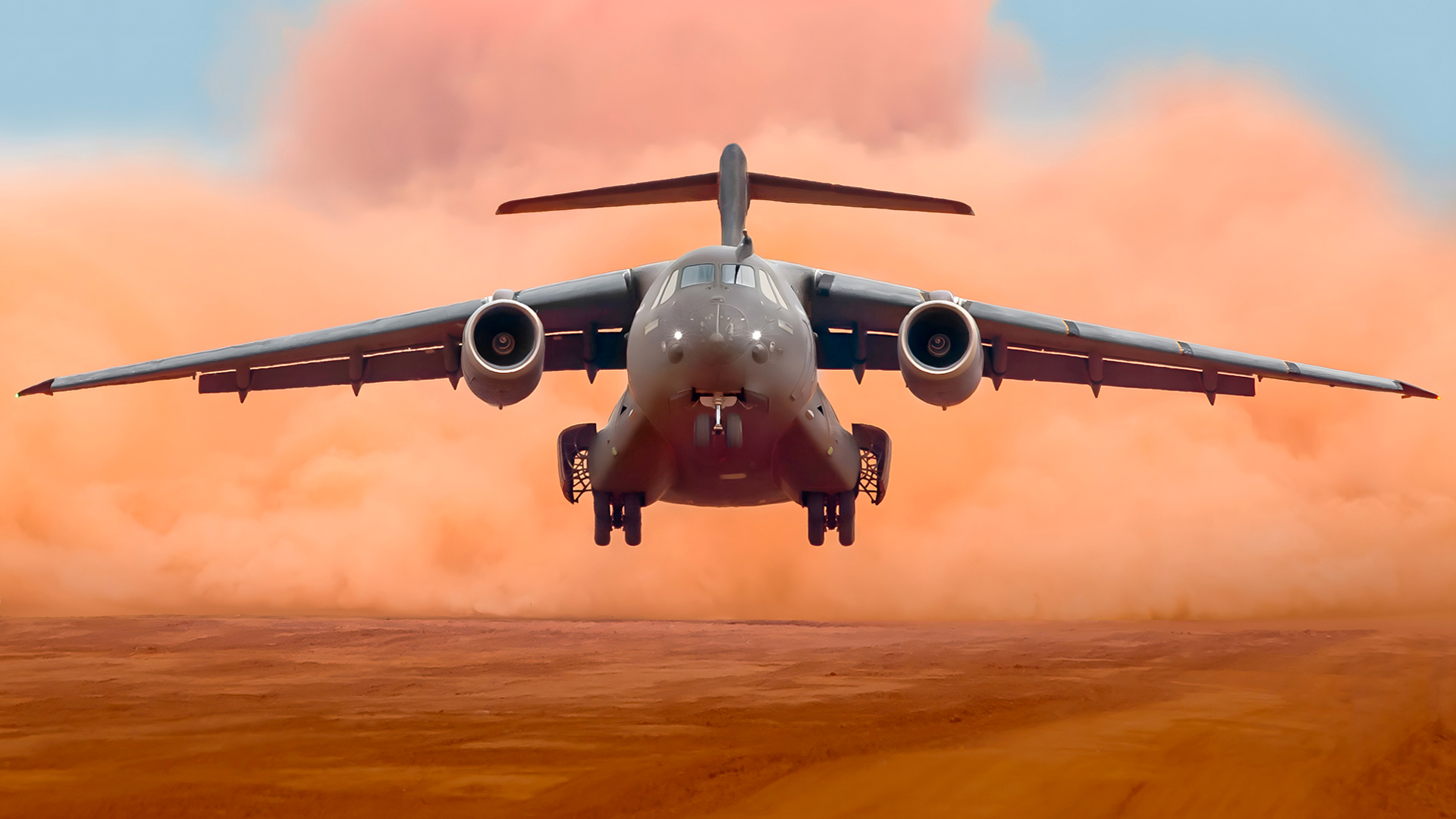
Delivery teams responsible for Britain’s A400M Atlas, Voyager, and C-17 Globemaster fleets worked with the RAF and industry partners Airbus, AirTanker, and Boeing under Project MACE, which coordinated the temporary relocation of aircraft and associated support activities during the construction programme.
The National Armaments Director Group confirmed the manufacturers’ involvement on 25 November, following the completion of the three-kilometre runway replacement. The 16-week construction project forms part of a wider £180m investment in the Oxfordshire station’s infrastructure.
Infrastructure specialists within the organisation managed the construction work, while its equipment delivery teams coordinated arrangements to maintain the availability of the aircraft normally supported at Brize Norton.
Project MACE also incorporated changes to the digital infrastructure available to personnel undertaking aircraft support activities. Remote access to maintenance and logistics management systems allowed engineering teams to continue using established information resources outside their usual working environment.
Aircraft maintenance records provide an essential link between completed engineering work, scheduled inspections, and the authorisation of subsequent aircraft activity. Personnel undertaking maintenance must be able to establish the condition and approved configuration of individual aircraft, alongside the requirements applicable to their work.
Moving engineering activity away from an established maintenance facility does not remove those obligations. The availability of appropriate digital resources therefore becomes important alongside physical infrastructure, technical personnel, and access to replacement components.
Logistics management presents related requirements. Aircraft support organisations must coordinate inventories, component procurement, and the documentation associated with replacement equipment, including where work is undertaken outside the facilities that normally accommodate those activities.
The industrial relationships supporting the three aircraft fleets differ according to the respective platforms and procurement arrangements. Airbus supports the A400M, AirTanker provides services associated with the Voyager programme, and Boeing contributes engineering and maintenance capabilities for the C-17.
Coordinating those relationships during the infrastructure works required the National Armaments Director Group to manage the requirements of several equipment programmes simultaneously. Each aircraft type is subject to its own engineering documentation, maintenance arrangements, and applicable airworthiness requirements.
Britain has separately been investing in longer-term improvements to its military transport aircraft sustainment arrangements. On 1 October, the Ministry of Defence confirmed a £190m extension to its A400M maintenance and engineering support contract with Airbus.
The department expects the agreement to deliver a 30% improvement in aircraft availability while sustaining more than 350 British jobs. Those figures relate to the anticipated benefits of the longer-term support contract, rather than measured performance improvements achieved during Project MACE.
The Airbus agreement provides an example of the continuing industrial expenditure associated with military aircraft after their initial acquisition. Sustaining a fleet requires contractual access to engineering resources, technical expertise, replacement components, and maintenance infrastructure throughout the aircraft’s service life.
Availability targets can provide a mechanism for aligning some of those responsibilities with the customer’s requirements. Their achievement depends on factors extending across equipment reliability, maintenance activity, component availability, and the resources assigned to the support programme.
Brize Norton’s redevelopment also illustrates the interdependence of aircraft support and infrastructure investment. While the runway replacement addressed the physical condition of the airfield, the continuing industrial support arrangements enabled maintenance activity to be coordinated separately from the construction schedule.
The National Armaments Director Group has identified lessons from Project MACE that will inform future infrastructure and aircraft support planning. It has also highlighted the contribution of digital improvements to the efficiency of maintenance and logistics activities during the project.
The department has not disclosed a detailed breakdown of the cost of these changes or comparative fleet availability figures for the construction period. The extent to which individual improvements will become permanent elements of the aircraft support programmes has also not been specified.
Brize Norton’s runway replacement represents one completed element of the station’s wider infrastructure modernisation. The remaining programme includes taxiway refurbishment, improvements to airfield lighting, drainage, and supporting infrastructure.
The National Armaments Director Group expects the full airfield refurbishment to conclude in spring 2027. The aircraft support arrangements established during Project MACE provide additional experience in coordinating industrial sustainment activities with major infrastructure investment, complementing the physical improvements being delivered at the station.