
Aerospace
-
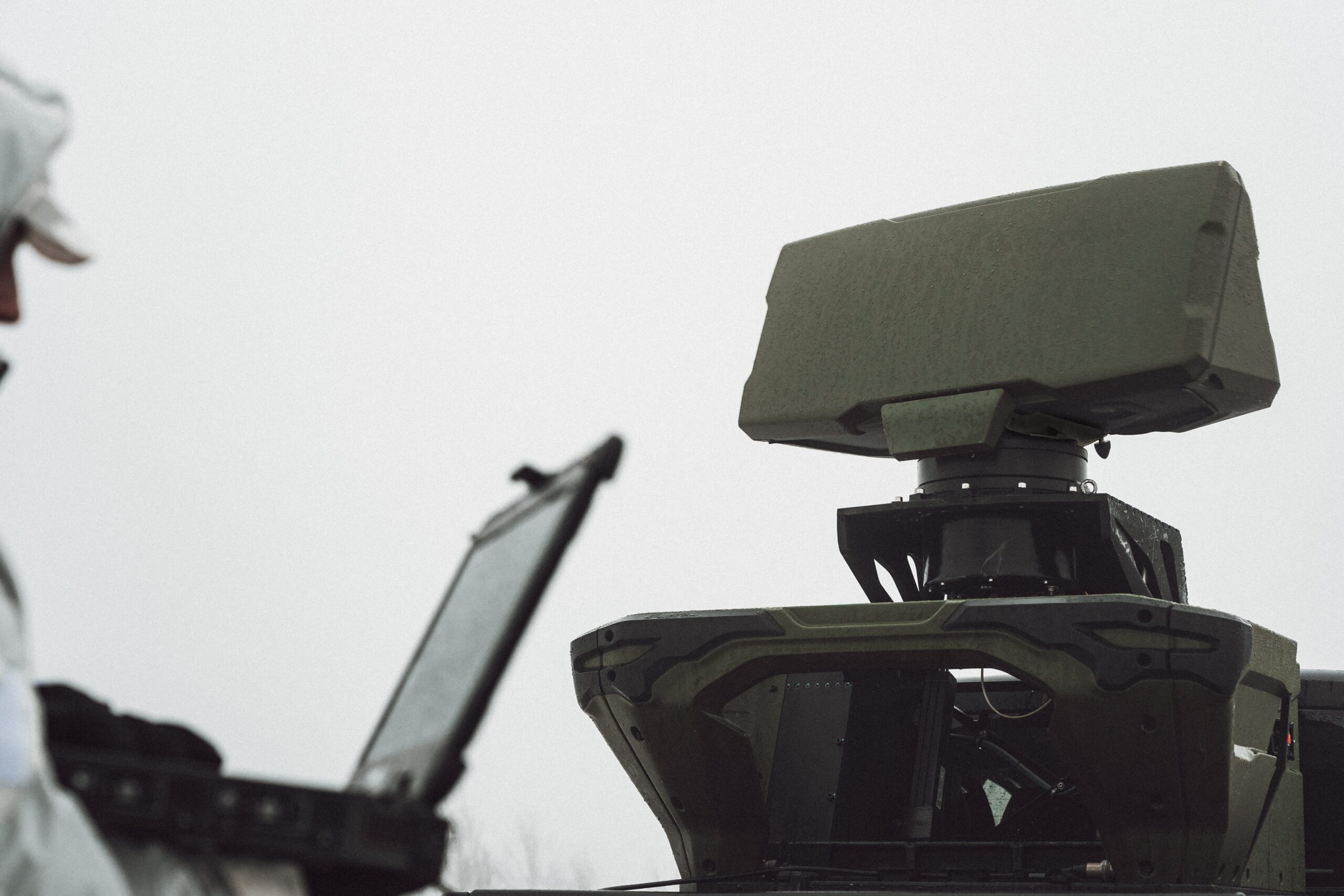
Saab has delivered new Giraffe 1X radars to the RAF. The sensors enter a wider counter-drone architecture following an urgent operational requirement.
-
Boeing will update MQ-25 electronics under a Navy modification award. The $12.68 million action also funds analysis and corrections supporting mission-computer security assessments through November 2029.
-

Rockwell Collins will extend CAAS engineering support for Army aviation. The $38.92 million action covers software integration, modification, maintenance, enhancement, and engineering through February 2029.
-

Leonardo DRS will advance sensor technology for Space Force missions. The prototype award prioritises threat tracking, scalable manufacture, affordability, and resilient supply chains for future space-control capability.
-
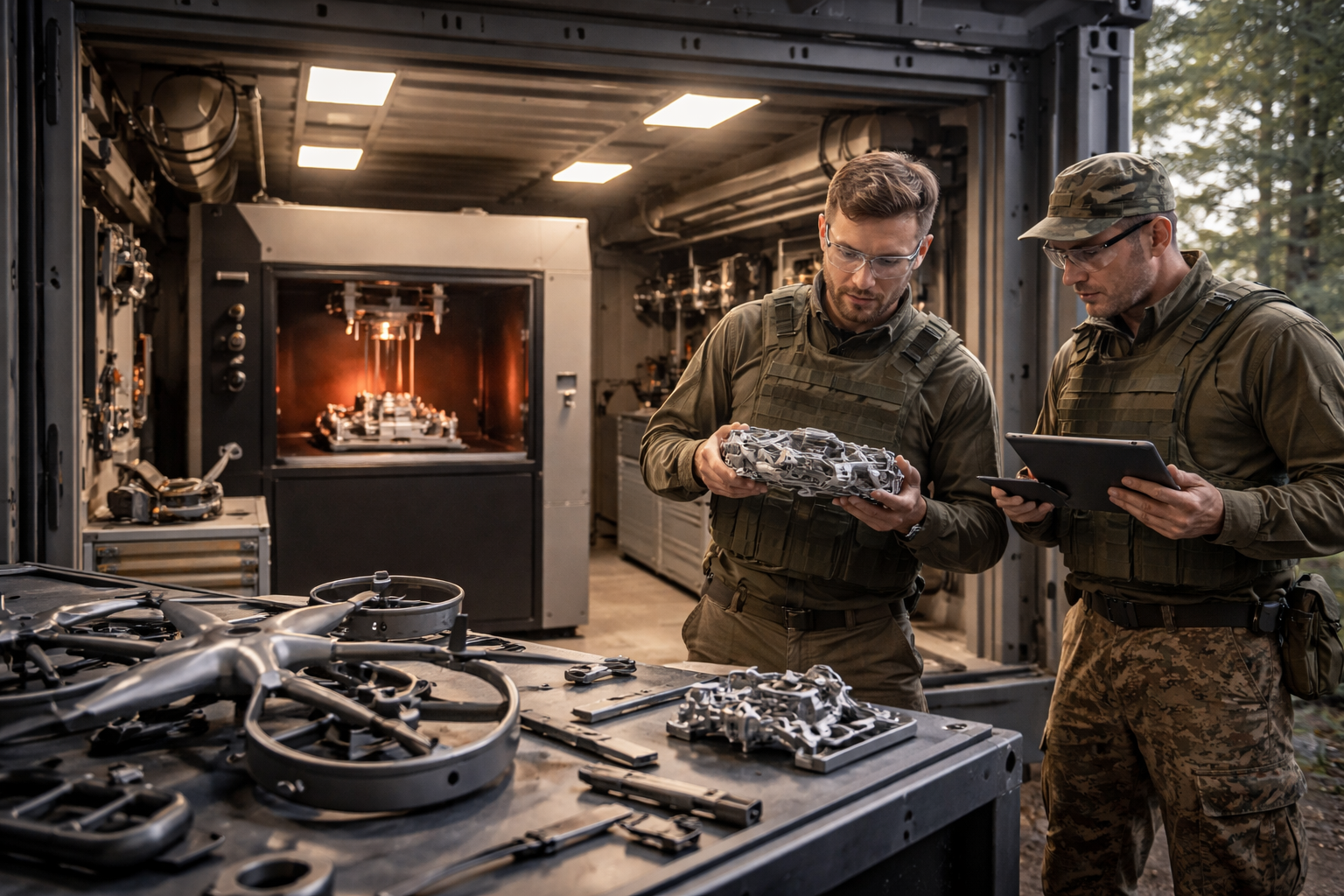
Continuous Composites will embed electrical conductors inside load-bearing UAV structures. The Navy Phase II programme advances integrated power distribution after successful composite-panel feasibility testing.
-
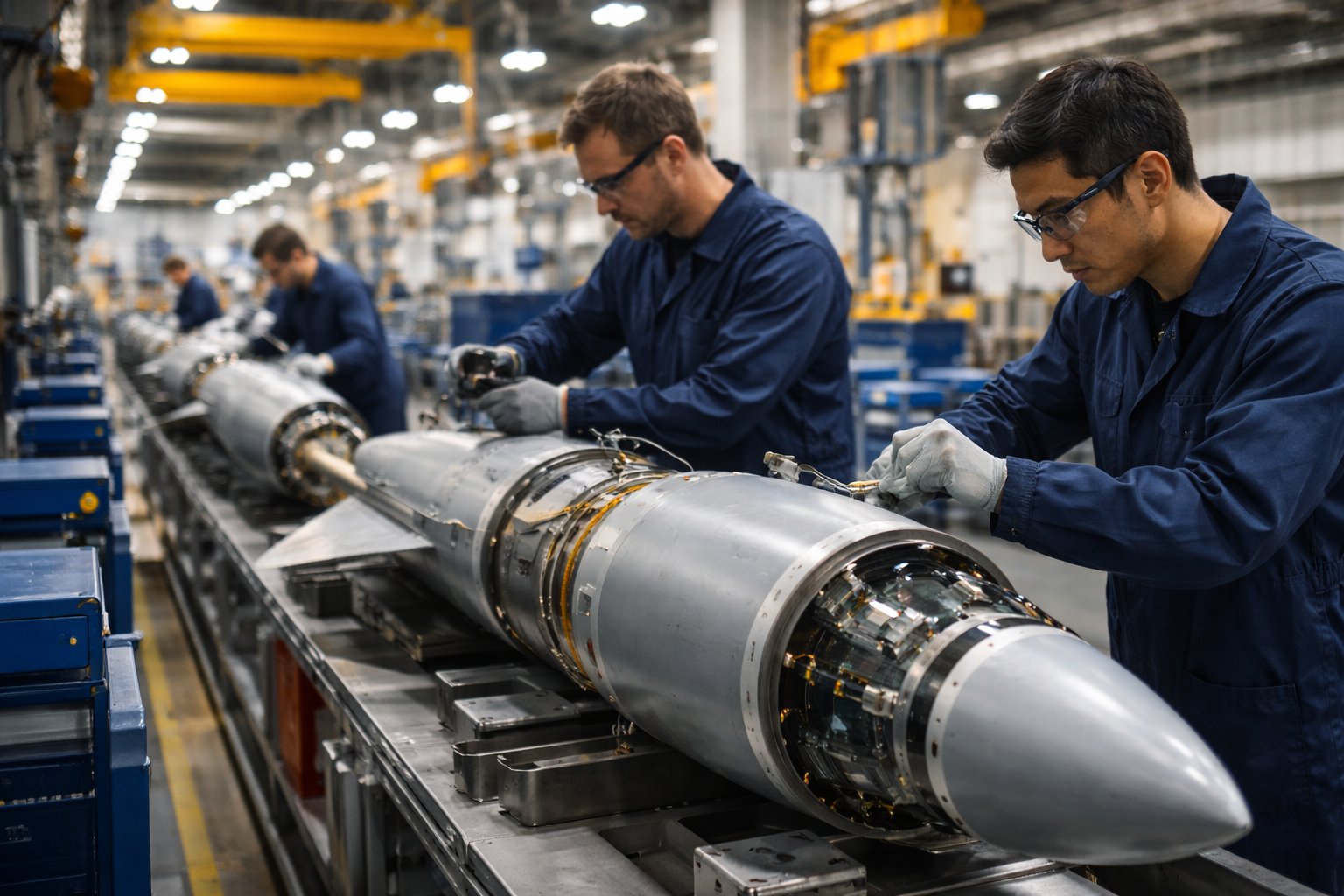
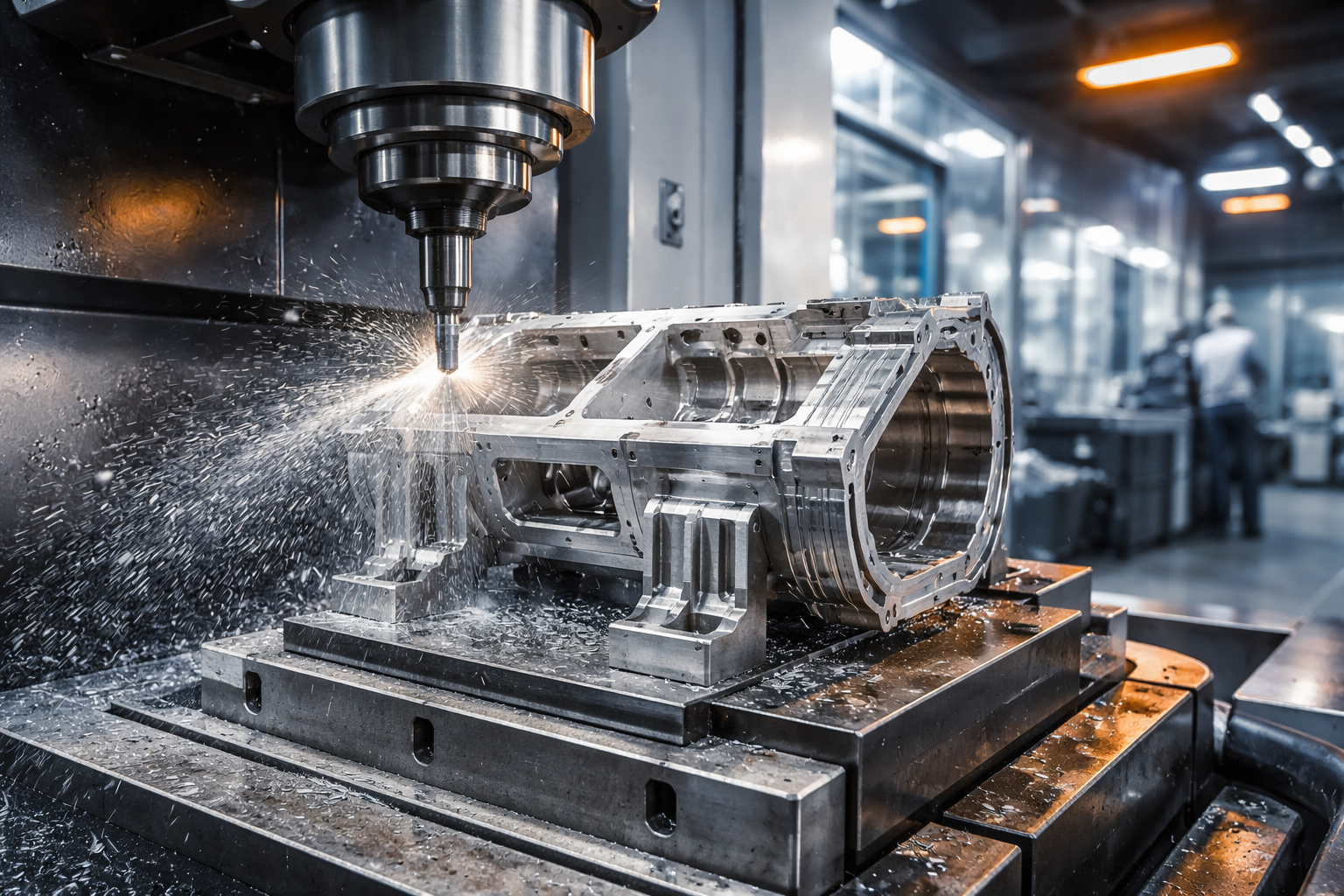
General Dynamics will expand PAC-3 and THAAD component production capacity. New frameworks push the missile-defence ramp into motor cases, seeker structures, midsections, and shroud deployment hardware.
-
Britain will extend Envoy IV support after its competition failure. Centreline Aviation will maintain the two-aircraft service while the Ministry of Defence restructures its route to enduring support.
-
OHB will build eighteen IRIS² MEO satellite platforms for SES. The nearly €1 billion contract puts a major element of Europe’s secure communications constellation into serial spacecraft development and manufacture.
-
Fire Point is expanding solid rocket propellant production into Denmark. The Vojens plant is expected to begin operations by late 2027, creating an overseas production node for several Ukrainian missile programmes.
-
Greece and Israel have signed the €3.035 billion Achilles Shield. The programme combines layered air defence with more than €750 million of Greek industrial participation and a domestic production base.