
Aerospace
-
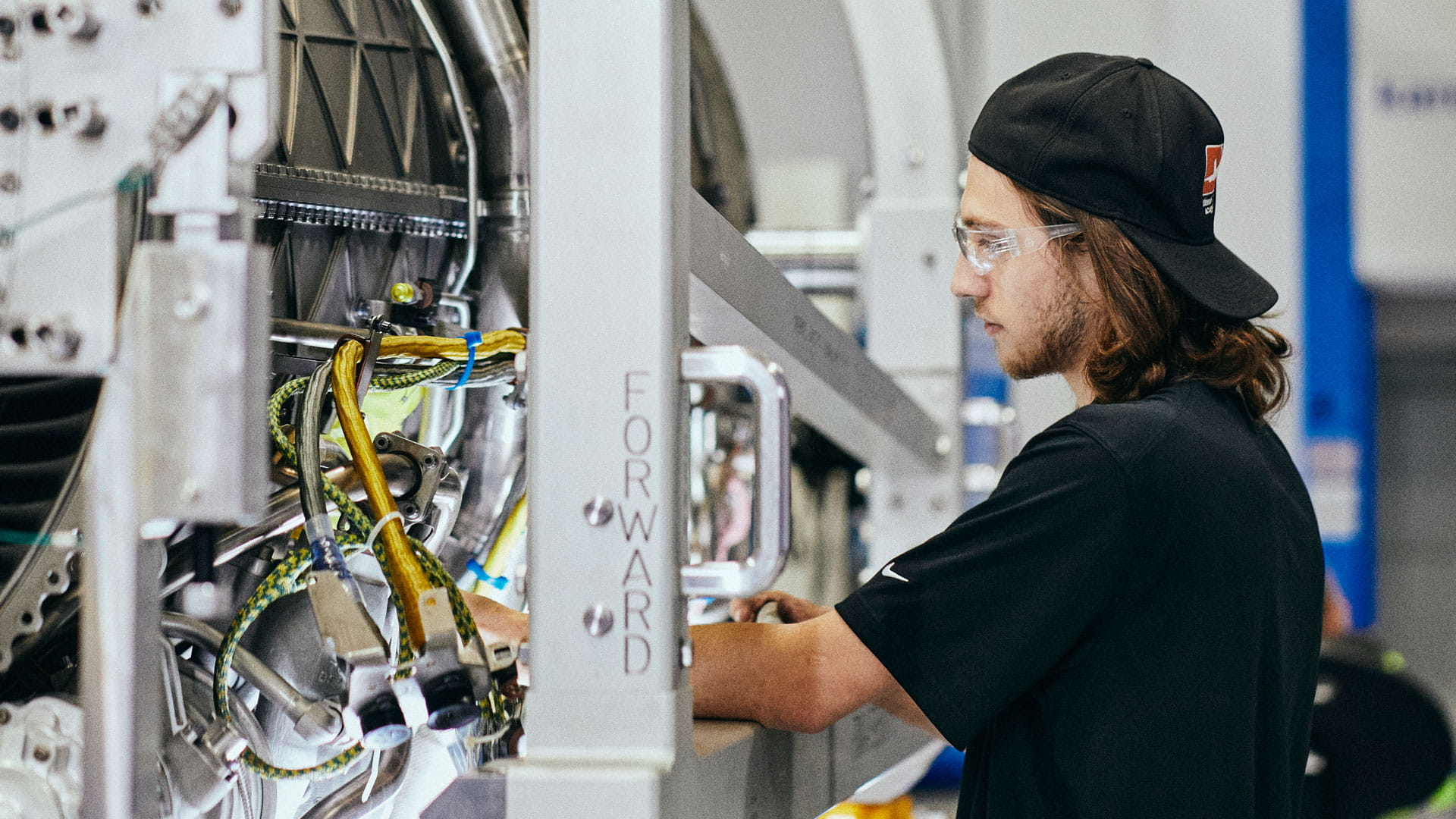
Pratt & Whitney has secured new F135 engineering development funding. The $240.8m modification advances Engine Core Upgrade work into engineering and manufacturing development while funding readiness improvements and long-lead hardware for a spare test engine.
-
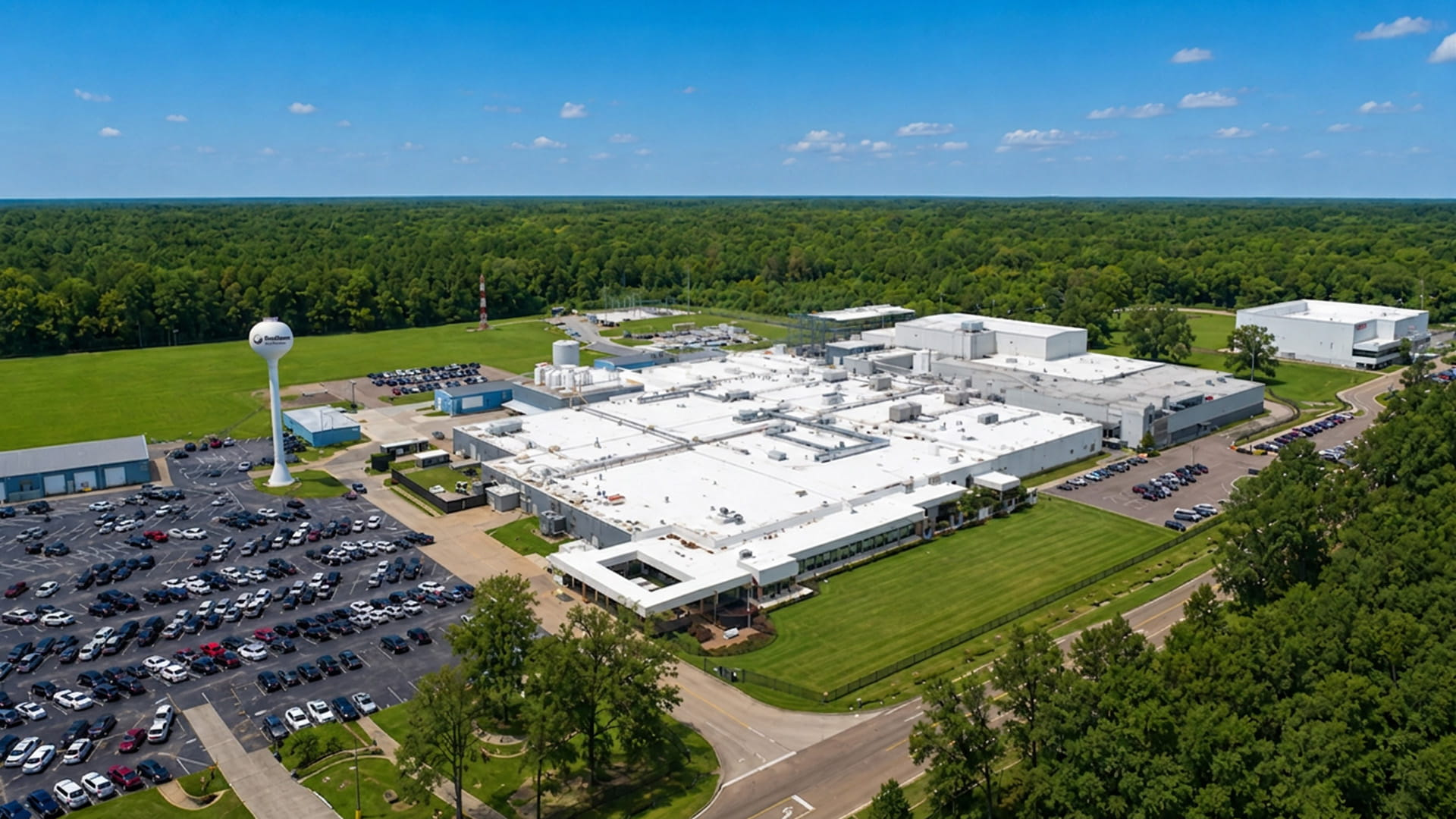
Raytheon has completed a $50m expansion at its Mississippi plant. The 17,000-square-foot addition increases production, test, and integration capacity for electronic warfare and airborne radar systems while adding 100 skilled jobs by 2028.
-

Australia is testing Viper for automated military space surveillance operations. The optical telescope trial examines direct sensor tasking, automated analysis, and sovereign control of observations supporting future space-domain-awareness requirements.
-
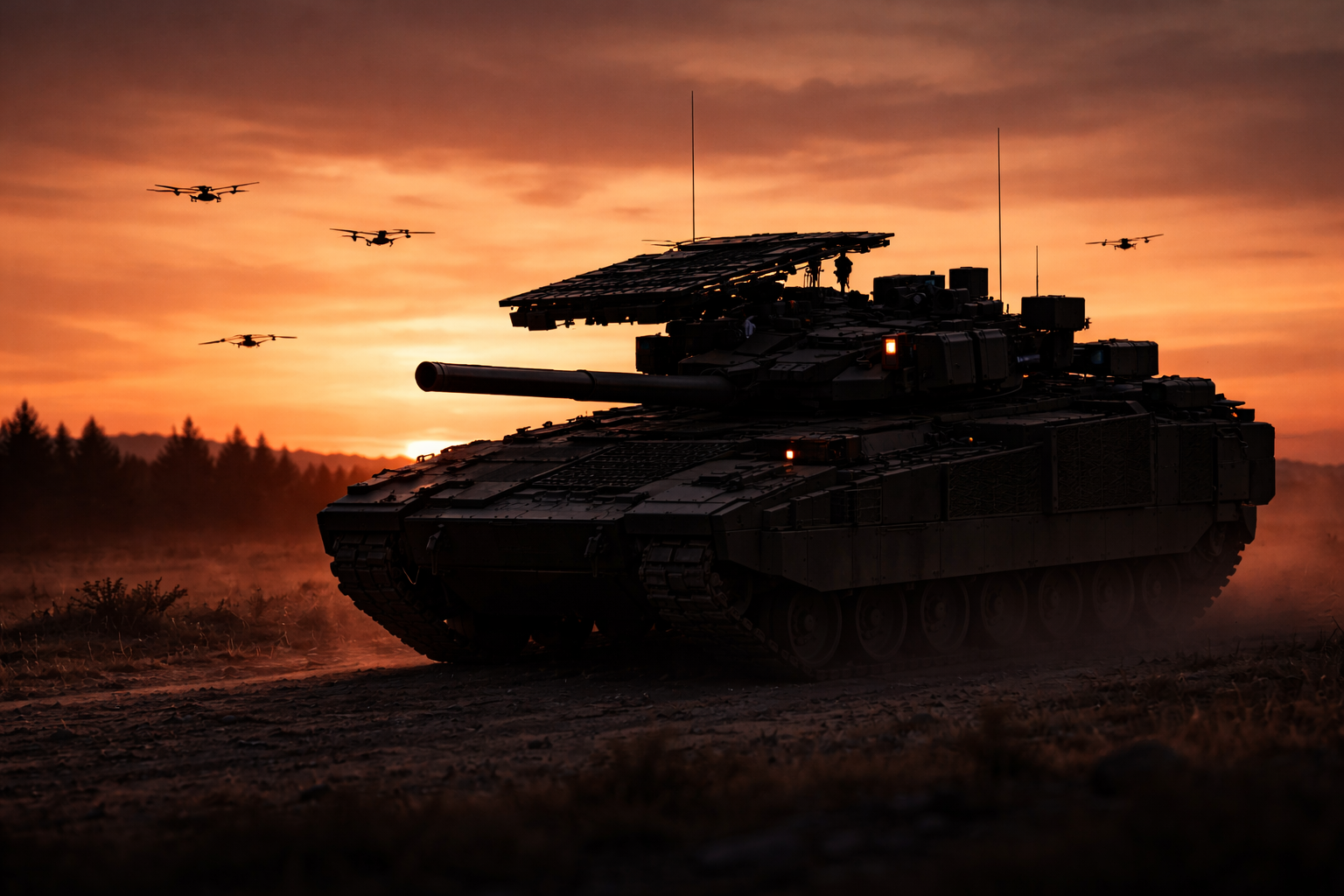
Taiwan has signed a NT$26.9bn contract for ALTIUS unmanned systems. The acquisition covers 2,032 reconnaissance aircraft and loitering munitions, with deliveries scheduled from the fourth quarter of 2026 through June 2033.
-
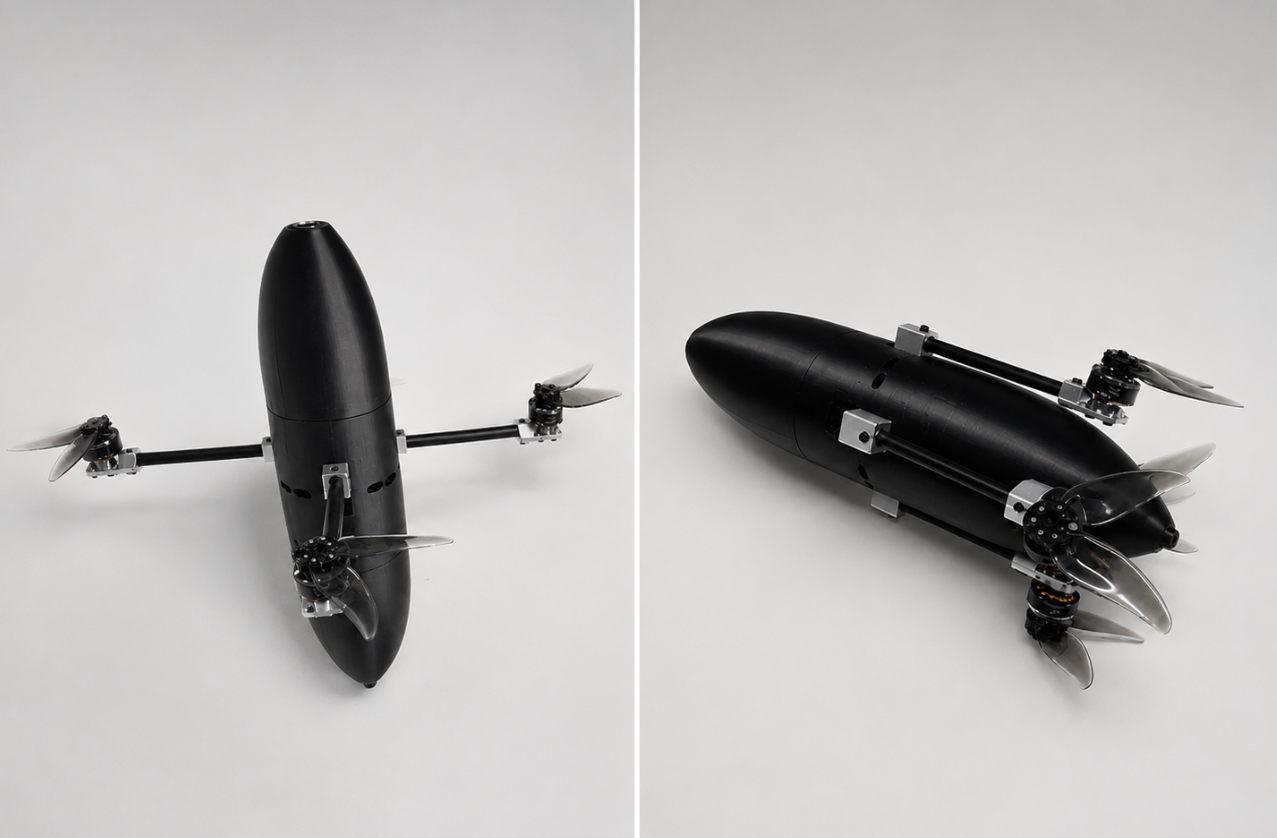
Mara raises $7 million to scale its Spike counter-UAS system. The funding will move its distributed sensor-and-interceptor architecture from field testing towards initial deployments and expanded production.
-
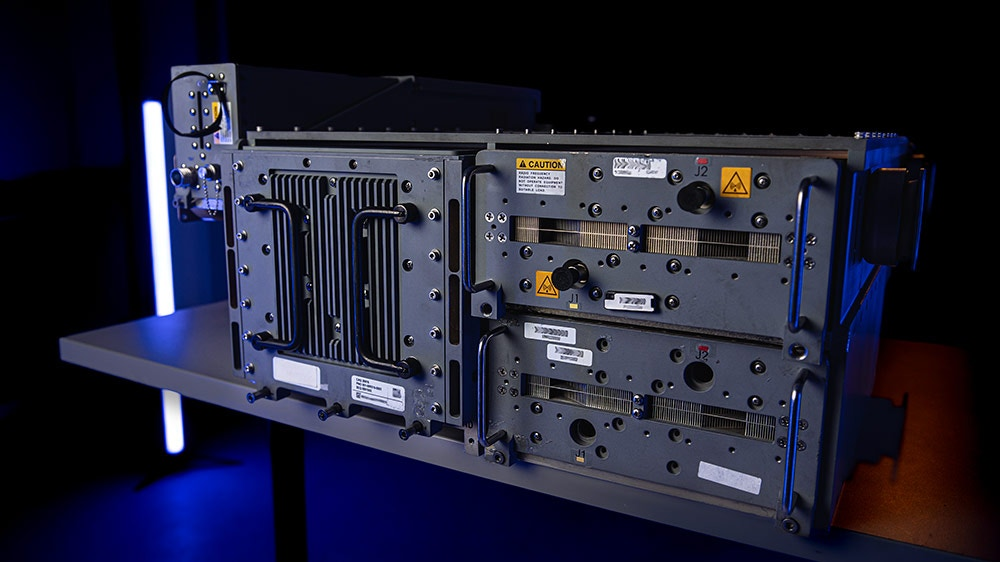
Northrop Grumman’s IVEWS has surpassed 500 flight-test hours on F-16s. The milestone comes as the US Air Force prepares procurement of the internal electronic-warfare suite across more than 200 operational aircraft.
-

Lockheed Martin has demonstrated its Guam missile-defence battle manager prototype. The Phase 2 evaluation combined Aegis Guam and IBCS data while using algorithms to prioritise engagement recommendations for operators.
-
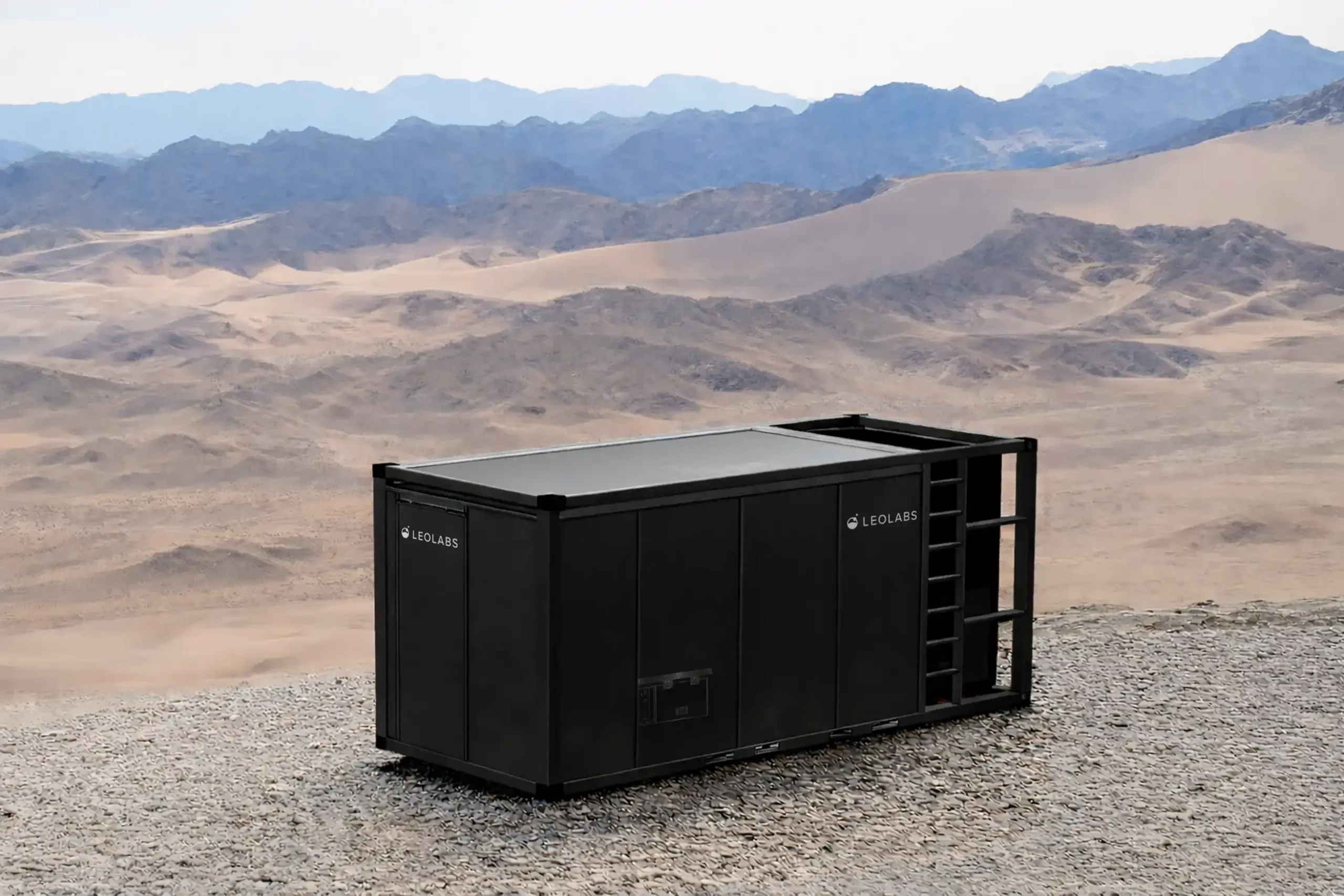
LeoLabs has secured a Space Force transportable radar prototype agreement. The $20.68 million award will adapt its containerised Scout architecture for a new defence mission while retaining rapid deployment and distributed sensing.
-
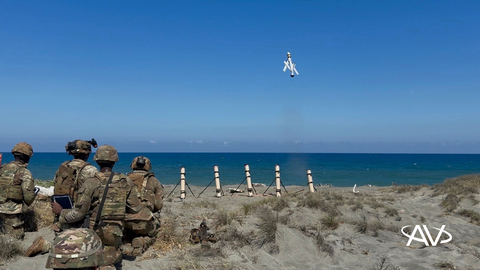
AeroVironment receives $51 million Army order for Switchblade 600 systems. The follow-on procurement covers Block 2 weapons for US forces and Block 1 equipment for an allied Foreign Military Sales customer.
-
Palladyne AI and NORDA will combine autonomy technologies for drones. SwarmOS will coordinate multiple aircraft while Underdog provides terminal guidance when navigation and communications are degraded.