IN Brief:
- Bell has selected Collins Aerospace for five key MV-75 FLRAA systems.
- The programme is moving from demonstrator credibility into supplier definition, qualification, and production planning.
- Distributed manufacturing, digital engineering, and lifecycle support are becoming the central industrial tests for FLRAA.
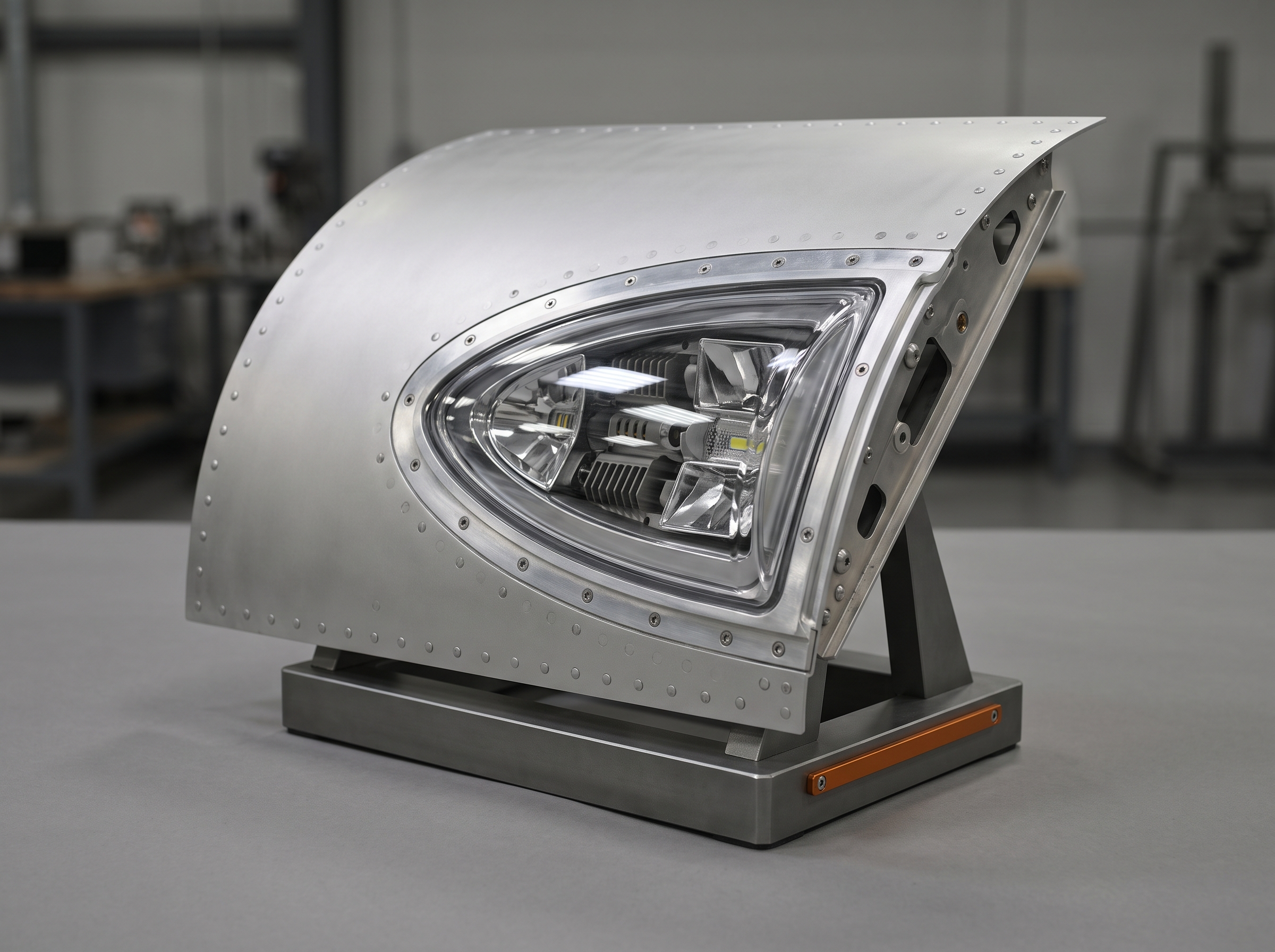
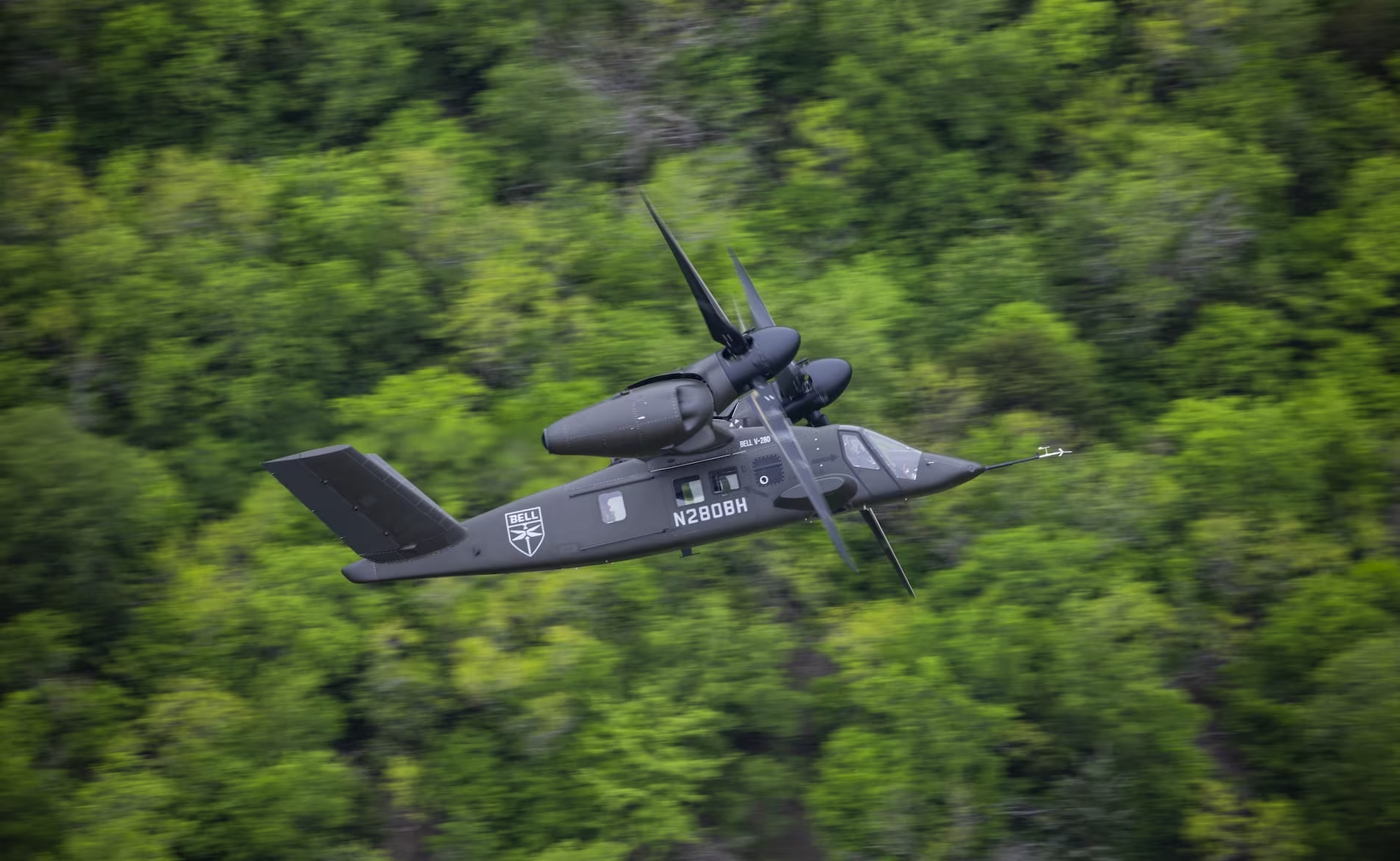
Bell has selected Collins Aerospace to provide five key systems for the U.S. Army’s MV-75 Future Long Range Assault Aircraft, extending the programme’s shift from prototype credibility into the more demanding work of building a durable supplier base. The package covers main power generation, the interconnect drive system, air-data hardware, cockpit seating, and ice protection, each of them central to how the aircraft will be built, qualified, and supported.
Those selections matter because FLRAA is now moving beyond concept validation and toward the phase where subsystem maturity begins to define schedule credibility. A next-generation assault aircraft is only as robust as the industrial chain behind it. Once suppliers are locked into the architecture, manufacturing risk, certification planning, and sustainment logic all become easier to map, but also harder to hide.
For the Army, the programme is intended to deliver greater speed and range than the rotorcraft it will replace. For industry, the task is more complex. The aircraft has to be manufacturable at pace, supportable in service, and stable enough in configuration to avoid turning performance gains into a long-tail engineering burden.
Subsystem awards make the production picture clearer
Collins’ workshare stretches across multiple U.S. states, underlining the distributed manufacturing profile now taking shape around MV-75. That matters in practical terms. Power, drive, air-data, cockpit equipment, and environmental protection are not peripheral fit-outs. They sit deep inside the aircraft’s operating reliability, maintainability, and certification pathway.
These awards also suggest the programme is narrowing from ambition into execution. Supplier decisions start to define lead times, tooling requirements, test priorities, and where engineering effort has to be concentrated to keep the aircraft moving toward production. The industrial challenge becomes less abstract once named companies and named systems are attached to it.
Digital design still has to survive factory reality
Bell has consistently tied the programme to digital engineering and a modern manufacturing model, and that should help FLRAA as it moves through integration. Even so, digital architecture only proves its value when it can absorb subsystem providers, production tooling, qualification work, and configuration control without introducing delay or instability. A clean digital thread is useful; a buildable aircraft is more useful.
That is the test now facing MV-75. The aircraft has already established its performance case. The next phase is about industrial discipline: repeatable production, supplier coordination, upgrade control, and the ability to support the fleet over time without allowing complexity to drive up cost. The latest Collins award is one step in that process, but an important one, because it gives the programme more of the physical and organisational backbone it will need before production can become routine.