IN Brief:
- Bliksem EXO is intended to defeat medium- and intermediate-range ballistic threats above the atmosphere.
- Five companies have divided responsibility across the kill vehicle, booster, radar, launcher, seeker, and command system.
- Joint engineering is planned from August 2026, followed by a kill-vehicle space test during 2027.
Airbus Defence and Space, Destinus, MBDA Deutschland, Safran Electronics & Defense, and Thales have signed a letter of intent to establish the Bliksem EXO Consortium, creating an industrial structure for a sovereign European upper-layer ballistic-missile interceptor.
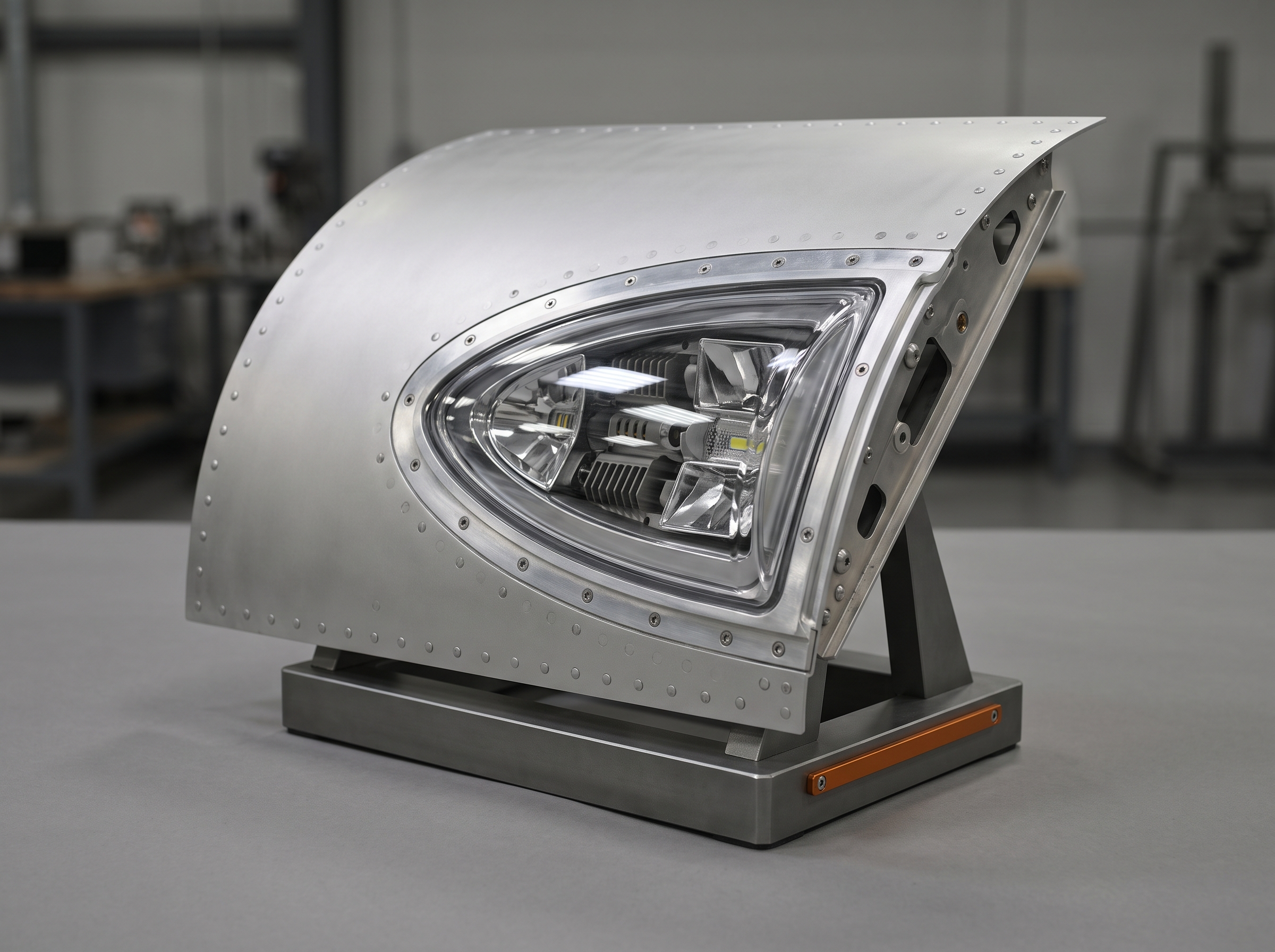
Bliksem EXO is conceived to engage medium- and intermediate-range ballistic missiles during the midcourse phase above the atmosphere. Direct kinetic impact would destroy the target without an explosive warhead.
The programme is intended to complement existing European lower-layer and terminal systems while integrating with NATO’s Integrated Air and Missile Defence architecture and the European Sky Shield Initiative.
Destinus will lead the consortium and hold responsibility for system integration and the exo-atmospheric kill vehicle. MBDA Deutschland will cover the interceptor booster, launcher, and canister.
Safran Electronics & Defense will provide the seeker and guidance, navigation, and control equipment, while Airbus Defence and Space will lead command, control, battle management, and communications integration. Thales will provide the radar and sensor chain from early warning to fire-control tracking.
Dividing the work gives each company a defined package, although system performance rests upon the interfaces between them. Radar tracks, command decisions, booster behaviour, kill-vehicle separation, seeker acquisition, and terminal guidance must align within extremely narrow tolerances.
The consortium intends to complete a binding agreement within three months, begin joint engineering in August 2026, and conduct a space test of the kill vehicle during 2027. The current letter does not create an obligation to procure or fund the system.
Hit-to-kill interception is among the most exacting tasks in guided-weapons engineering. The kill vehicle must survive launch loads, separate cleanly from the booster, orient itself, detect the correct object, reject debris or countermeasures, and manoeuvre into a direct collision.
Closing speeds leave little room for error. Small inaccuracies in radar tracking, timing, seeker alignment, propulsion, or software can accumulate into a miss because no fragmentation warhead is present to compensate.
Seeker production will require precision optical or radio-frequency assemblies, stable detectors, high-speed processing, and calibration capable of reproducing performance across every manufactured unit.
Variation that may be acceptable in another missile can become critical in exo-atmospheric interception. Optical alignment, detector response, inertial accuracy, and divert-thruster performance must remain within tightly controlled limits.
The booster introduces a different set of industrial constraints. Solid-propellant manufacture, motor-case production, insulation, ignition, nozzle control, and non-destructive inspection determine whether the interceptor reaches the required speed and trajectory.
Motors must perform after long storage inside sealed canisters, creating demands around ageing, temperature control, propellant stability, and periodic surveillance. A successful development launch does not establish a reliable stockpile until those properties are understood.
Launcher and canister production governs deployment, transport, environmental protection, and reload. Canisters must maintain controlled conditions, survive handling, and provide repeatable launch behaviour without adding excessive weight or maintenance.
Thales’s sensor chain may become one of the pacing elements. Detecting a ballistic target at extreme range, maintaining an accurate track, and discriminating a warhead from other objects require powerful radars and extensive processing.
Airbus’s battle-management work must turn that information into a timely engagement across national and NATO networks. Latency, cybersecurity, track quality, authority, and interoperability all affect whether the interceptor receives usable data.
Ukraine’s experience of massed missile attack is intended to inform design and testing, subject to security and export controls. Operational evidence can shape deployment, reload, command architecture, sensor resilience, and the representation of hostile tactics.
The upper-layer mission remains distinct from most drone and cruise-missile defence. Targets travel faster, reach greater altitude, and may deploy separating or manoeuvring re-entry vehicles intended to complicate discrimination.
A credible programme will consume interceptors during testing before any operational inventory is established. Ground rigs can validate software, propulsion, separation, and guidance, but representative flight trials require target vehicles, launch opportunities, instrumented ranges, and extensive telemetry.
Europe will need access to those facilities on a schedule matching the proposed development pace. Test infrastructure can become a bottleneck even when individual components progress quickly.
Series production would compete with Europe’s expanding demand for air-defence missiles, cruise missiles, long-range strike weapons, and rocket motors. Seekers, processors, energetic materials, guidance engineers, and secure factories are already under pressure.
The economics differ from lower-cost defensive weapons, although magazine depth remains relevant. The US Army’s effort to find cheaper interceptors for sustained air defence addresses a lower tier, yet both programmes must reconcile technical performance with the number of rounds a customer can afford to hold.
Ballistic-missile defence cannot rely on a handful of development articles. Testing, training, acceptance, maintenance reserves, and operational salvos require enough production to support several batteries and replenishment.
Multinational workshare offers access to broad expertise and political support, but it can also slow decisions around intellectual property, export policy, security, funding, and production responsibility.
A clear system authority will be needed to settle interface disputes and control design changes. When several national champions share a programme, delayed decisions can be more damaging than technical failures.
The planned 2027 space test is likely to examine an early kill-vehicle configuration rather than a complete operational interception. It can still determine whether guidance, propulsion, sensing, and separation are mature enough for a longer development sequence.
Bliksem EXO addresses an acknowledged gap in Europe’s layered defence. Closing it will require the consortium to move from a non-binding agreement into funded engineering, repeated flight testing, qualified factories, and interceptor orders large enough to sustain production.