IN Brief:
- PT Len has placed an approximately £3m follow-on order covering SeaEagle systems for two Bung Tomo-class ships.
- The equipment is intended to work with existing 76mm naval guns and upgraded Thales TACTICOS combat management systems.
- The order builds on the first vessel agreement placed in 2023 and completes the planned three-ship equipment scope.
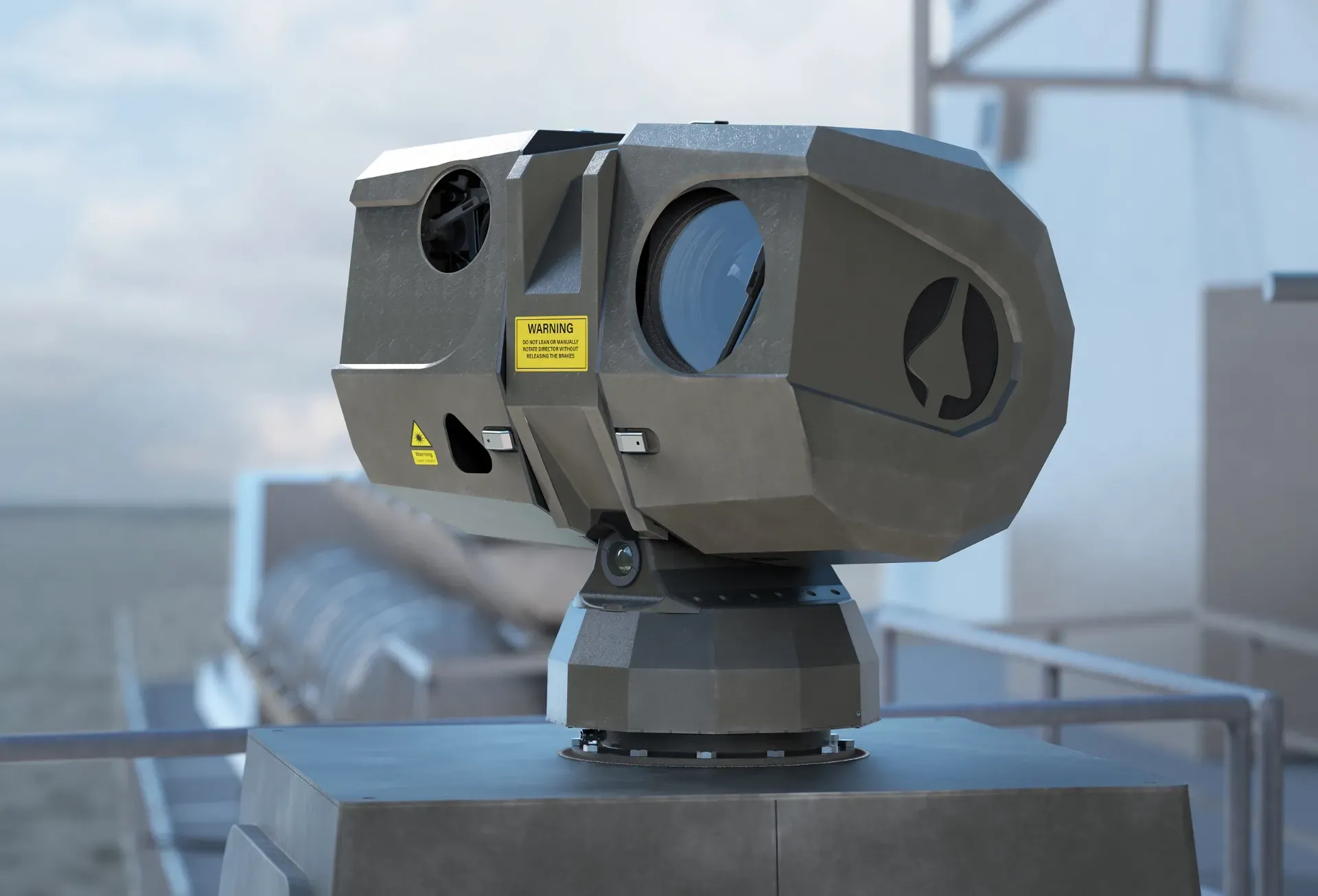
Featured image: Chess Dynamics Sea Eagle FCEO MKII. Representative fire-control product imagery; the precise Indonesian Navy contract configuration has not been disclosed.
Chess Dynamics has secured a follow-on contract worth approximately £3 million to supply SeaEagle electro-optical fire-control systems for two Indonesian Navy Bung Tomo-class vessels. Placed by Indonesian state-owned defence electronics company PT Len, the order follows the first-vessel contract signed in 2023 and extends the planned SeaEagle equipment programme across all three ships. Shipboard completion and operational acceptance are separate milestones.
The Horsham-based company will supply Fire Control Electro-Optical (FCEO) equipment for the second and third ships in the class. The new directors are intended to replace legacy electro-optical systems, working with the vessels’ existing 76 mm OTO Melara naval guns and upgraded Thales TACTICOS combat management systems. Chess and PT Len have not set out a delivery or installation timetable for the additional two-ship order.
Built in the early 2000s for Brunei, the Bung Tomo-class vessels entered Indonesian Navy service in 2014 and are undergoing refurbishment to extend their operational lives. Updated electro-optical directors can give the ships improved sensor and tracking functions while retaining their existing 76 mm guns. The improvement depends on compatible interfaces among the director, combat management system and weapons controls, not simply the addition of modern cameras.
Electro-optical fire control combines stabilised daylight and thermal sensors with target tracking and range measurement. A ship must continuously distinguish a target’s position and motion from the vessel’s own movement, including pitch, roll and changes in heading. A stabilised director holds the line of sight while the tracking system updates the target picture supplied to weapons-control equipment.
Range information and the angular track feed the calculations used to point a naval gun. Interfaces to the combat management system allow a contact detected by another sensor to be handed to the optical director for recognition or precision tracking. Integration also requires synchronised timing, compatible data formats, communications checks and verification that the equipment behaves correctly under vessel motion and vibration.
Chess produces analogue and digital versions of its SeaEagle FCEO family. The analogue configuration serves platforms with legacy interface requirements, while the FCEO-D adds higher-resolution sensors and digital networking. The Indonesian contract identifies the SeaEagle FCEO family but does not specify which variant is to be fitted to either vessel. The digital FCEO-D should therefore not be assigned to the two ships as a confirmed configuration.
The approximately £3 million contract value applies to the new two-vessel follow-on order; it is not the combined value of the entire three-ship modernisation. The original 2023 contract covered the first ship separately. Chess has not provided a breakdown allocating the new contract value among hardware, engineering and support activities.
PT Len is Chess Dynamics’ Indonesian customer, and the SeaEagle systems are intended to interface with Thales TACTICOS, which coordinates sensor and weapons information. Chess has not assigned a detailed shipboard workshare or acceptance responsibility to PT Len, Thales, the shipyard or the Indonesian Navy under this equipment contract. The £3 million commitment covers SeaEagle equipment supply; separate shipyard and combat-system integration arrangements cannot be assigned to that contract without a defined scope.
The new order concerns the ships’ electro-optical fire-control equipment rather than their existing guns, propulsion plants or hull structures. The wider Bung Tomo-class refurbishment includes other sensors and combat-system work, with its own schedules and technical requirements. Supply of SeaEagle directors for the second and third ships does not mark completion of those wider upgrades.
Chess Dynamics already supplies SeaEagle equipment to Indonesian KCR-60 vessels through work involving systems integrator Terma. That earlier installation demonstrates an established local programme relationship, but the KCR-60 craft and Bung Tomo-class ships have different integration arrangements. Experience with one platform does not eliminate the need for separate interface design and acceptance testing on another.
The optical director must supply correctly aligned range and bearing data to the combat and weapons-control systems while compensating for ship motion. That requires reliable sensor stabilisation, calibrated interfaces and consistent target tracking across the equipment chain. Chess and PT Len have not disclosed ship-by-ship integration milestones or dates when the two upgraded fire-control systems will enter operational use; the present contract establishes the supply commitment.
Chess says more than 150 SeaEagle FCEO systems have been delivered internationally, with its equipment in service or entering service across 12 navies. Those figures concern the wider product family, not deliveries against the new Indonesian order. The contracted equipment covers the second and third Bung Tomo-class ships, with installation and operational entry dates still unspecified.