IN Brief:
- Damen Naval and Alewijnse formalised plans for closer cooperation on future Dutch naval shipbuilding programmes at NEDS 2026.
- Alewijnse will handle integration and installation of electrical systems, including onboard installations for the Amphibious Transport Ships.
- The programme will replace HNLMS Rotterdam and HNLMS Johan de Witt, while detailed procurement and production milestones remain outstanding.
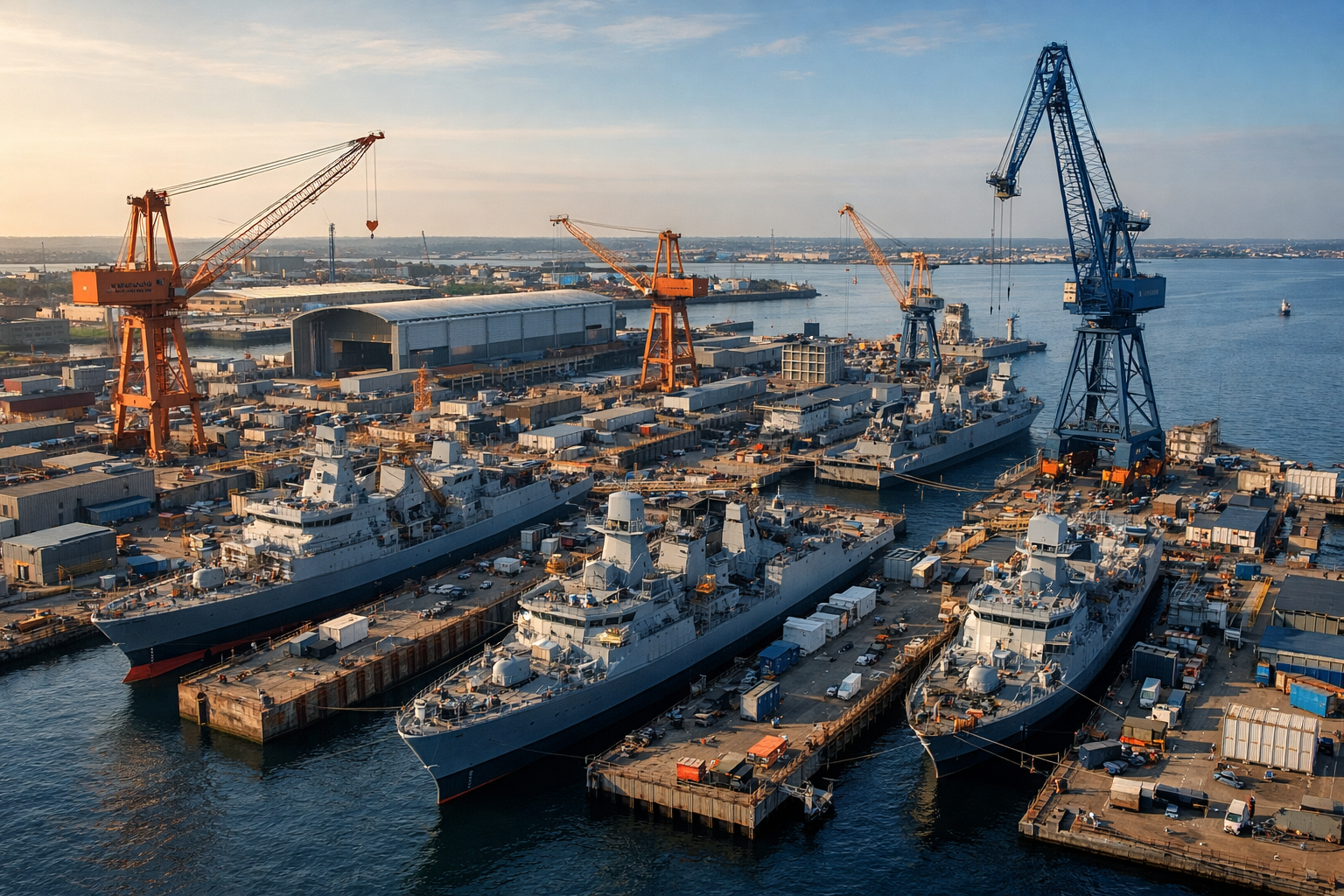
Damen Naval and Dutch electrical engineering specialist Alewijnse have formalised plans to work more closely on future Royal Netherlands Navy shipbuilding programmes, including the Amphibious Transport Ship project. The cooperation covers the integration and installation of electrical systems aboard the planned vessels, which will replace the Navy’s existing landing platform docks.
The companies confirmed their plans during the NEDS defence exhibition in Rotterdam on 19 November 2026. Damen Naval managing director Roland Briene and Alewijnse chief executive Gert Bravenboer formalised the closer relationship, with both organisations seeking to involve specialist engineering expertise earlier in the development of new naval vessels.
The Dutch Amphibious Transport Ship programme is intended to replace HNLMS Rotterdam and HNLMS Johan de Witt. These landing platform docks provide maritime transport and amphibious support capability, requiring extensive arrangements for embarked personnel, equipment and operations. Their successors will involve a complex combination of marine engineering, electrical installations and supporting mission systems.
Damen is responsible for the design, construction and integration of complex naval vessels, while Alewijnse specialises in electrical systems engineering and installation. The companies have worked together on previous naval projects, providing an established basis for coordinating technical requirements, manufacturing and installation activities on new programmes.
Alewijnse’s identified responsibility includes the integration and installation of electrical systems for the planned Amphibious Transport Ships. The work extends beyond connecting individual equipment items: a naval electrical installation must distribute power, accommodate the requirements of onboard systems and provide the interfaces needed for equipment to operate within the complete vessel.
Electrical distribution must serve machinery, navigation, communications, accommodation and mission equipment, each of which can have different operating requirements. The design needs to account for expected loads, the physical routes available for cables and the arrangement of equipment compartments. Some systems operate continuously, while others impose additional electrical demand during specific shipboard activities.
Changes to a vessel’s design can affect several parts of its electrical installation simultaneously. Relocating machinery or mission equipment may require new cable routes, revised distribution arrangements and alterations to access for maintenance. Establishing the electrical layout during the earlier stages of design helps the shipbuilder understand those consequences before construction and outfitting are advanced.
Amphibious vessels present particular installation challenges because their internal spaces must accommodate several operating functions. Transport and handling of personnel and equipment, aviation support and other mission requirements influence how machinery, services and electrical equipment are distributed through the ship. Technical arrangements must also account for the equipment eventually selected by the customer.
The presence of multiple specialist systems creates a need for consistent interface information. A supplier providing navigation equipment, for example, must identify its electrical and communications requirements, while the shipbuilder and electrical integrator must ensure those requirements can be met by the vessel’s infrastructure. Errors in an interface specification can result in additional installation or testing work once equipment reaches the shipyard.
Electrical systems also need to be installed in a sequence compatible with structural construction and machinery outfitting. Large cable runs may pass through compartments that become difficult to access when other equipment is installed. Planning those routes at the design stage allows installation requirements to be incorporated into the wider production schedule.
Inspection and testing must then establish that installed equipment and electrical distribution arrangements meet their approved requirements. Continuity, insulation, protective functions and equipment interfaces may require separate checks, followed by testing of systems operating together. The precise acceptance programme will depend on the design, configuration and customer requirements for the completed vessels.
Early participation by the electrical integrator can also help resolve manufacturing questions before components are ordered. The availability of cable, connectors, distribution equipment and specialist control assemblies can affect installation schedules, particularly when several vessels are being built in parallel. Engineering teams must coordinate those requirements with production planning and the suppliers responsible for the relevant equipment.
Damen and Alewijnse intend their closer cooperation to retain specialist naval engineering knowledge in the Netherlands. Electrical systems integration requires design engineers, installation personnel, inspection specialists and technicians capable of maintaining complex equipment. Continued involvement in naval programmes provides industrial activity through which those skills can be developed and used.
The two companies have an established working relationship across the Dutch maritime sector. Their experience on previous naval projects provides knowledge of the engineering and installation processes involved in complex ships, although the design and equipment requirements of each new class must still be addressed independently.
The Amphibious Transport Ship programme is at a stage where the design and industrial arrangements are continuing to develop. Damen presented a design for the new vessel at NEDS, but the public material does not establish that all equipment specifications and production arrangements have been finalised. The design presentation and strengthened cooperation represent programme development milestones rather than delivery of a completed ship.
Construction responsibilities, equipment procurement and the scope of individual work packages will determine how the industrial programme progresses. Electrical integration can begin with engineering work well before physical installation aboard the vessel, while subsequent activity depends on approved designs, available components and the schedule established for construction.
The Dutch shipbuilding sector also depends on the coordination of specialised suppliers whose work becomes part of the completed platform. Electrical equipment must operate with propulsion machinery, automation, communications and mission systems supplied through different commercial arrangements. A consistent engineering baseline is needed to manage these interfaces and control modifications during production.
Bringing Alewijnse into the earlier stages of the Amphibious Transport Ship programme gives the partners a basis for coordinating that work as the design matures. It does not, by itself, establish a new ship construction contract, a completed technical configuration or a delivery date for either replacement vessel.
The next milestones will include further definition of the vessel design, confirmation of construction and equipment arrangements, and the progression of electrical systems engineering into the installation phase. Damen and Alewijnse have established their respective industrial roles within the cooperation, while the programme’s final production and acceptance timetable remains to be confirmed.