IN Brief:
- Estonia has received its first IRIS-T SLM medium-range ground-based air-defence fire unit from Diehl Defence.
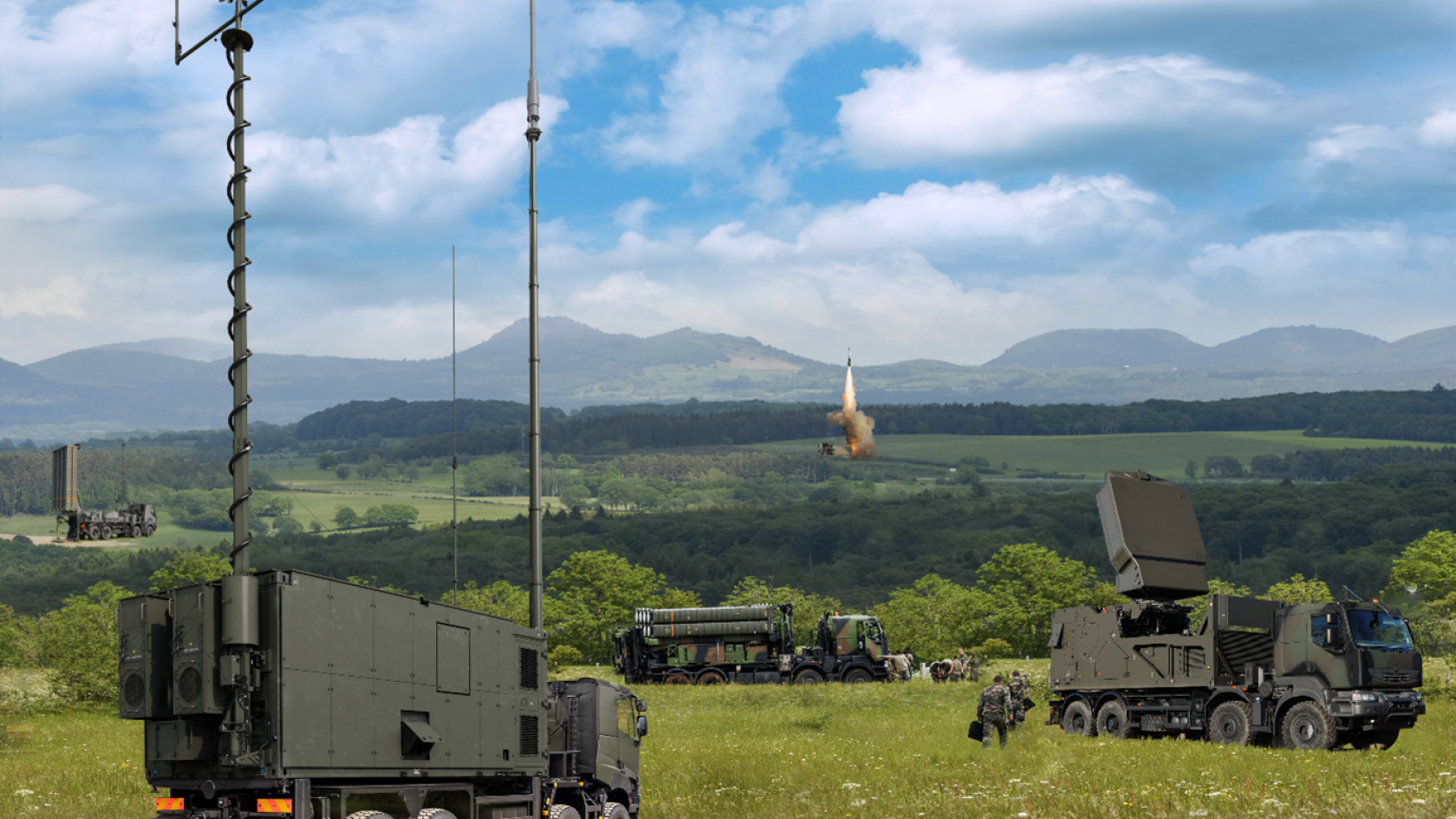
- The system includes launcher, radar, and command-post elements for a complete engagement chain.
- The delivery reflects wider European pressure to expand air-defence production, sustainment, training, and missile stockpiles.
Diehl Defence has delivered the first IRIS-T SLM medium-range ground-based air-defence fire unit to Estonia, adding a significant layer to the Baltic state’s air-defence capability.
Handed over at Ämari Air Base, the system forms part of Estonia’s largest defence investment programme. IRIS-T SLM is designed to protect forces, population centres, and critical infrastructure against aircraft, helicopters, cruise missiles, and drones at ranges up to 40km and altitudes up to 20km. A fire unit combines launchers, radar, and a tactical operations centre, giving the customer a complete engagement chain rather than a missile purchase alone.
Estonia’s geography makes the delivery strategically significant. The country sits on NATO’s exposed north-eastern flank, with limited depth and high reliance on rapid reinforcement, resilient infrastructure, and integrated allied defence. Short-range systems can protect specific sites and manoeuvre units, while medium-range systems provide a wider engagement envelope for bases, ports, command nodes, and population centres.
The industrial signal is equally strong. Ground-based air defence has moved from a niche requirement to one of Europe’s most urgent production priorities. The European Sky Shield Initiative has created a framework for shared procurement, training, maintenance, and logistics around air-defence systems, including IRIS-T SLM. Standardisation will not erase national requirements, but it can reduce fragmentation across training, spare parts, support concepts, and follow-on orders.
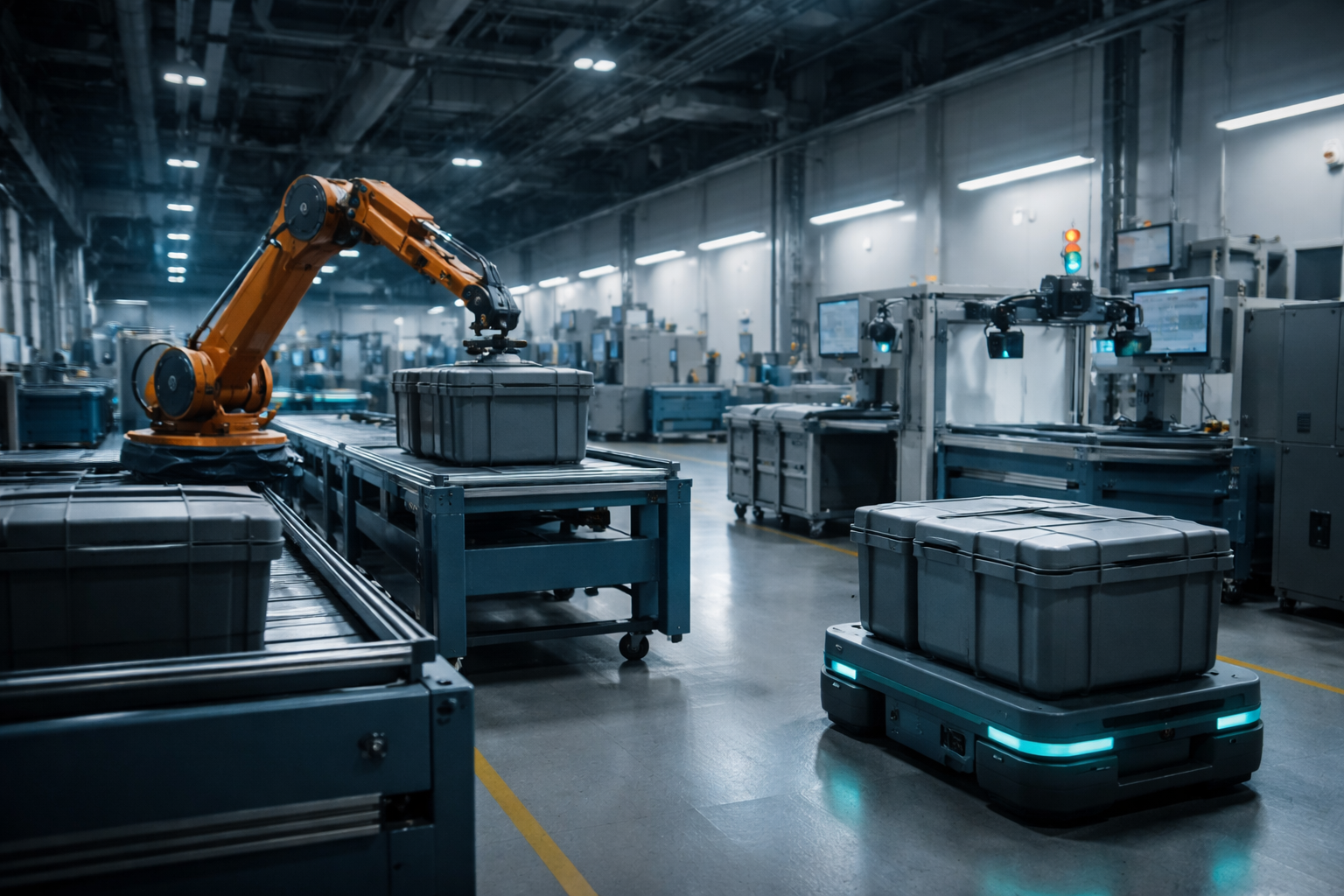
Air-defence fire units require far more than missiles. They need launch vehicles, radars, command posts, secure communications, power generation, test equipment, environmental control, transport containers, reload systems, training simulators, and maintenance infrastructure. Missile stockpile growth adds further pressure on rocket motors, seekers, warheads, control surfaces, energetic materials, and final assembly capacity.
Diehl has been expanding capacity to answer demand, while the operational performance of IRIS-T systems in Ukraine has raised the system’s profile. That creates a familiar defence-industrial squeeze: a capability proven under combat pressure becomes attractive just as production slots, suppliers, and missile components are most heavily contested.
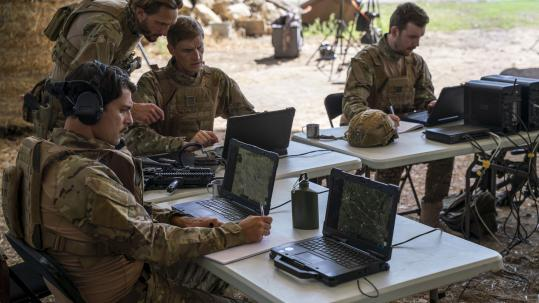
The Estonian delivery also shows why fire-unit integration counts as much as missile performance. A modern air-defence system has to classify threats, manage multiple engagements, share data with wider command networks, and avoid fratricide in crowded airspace. The launcher is one part of a software- and sensor-heavy architecture. Production therefore extends into radar integration, cybersecurity, datalink assurance, operator interfaces, command-post survivability, and electromagnetic resilience.
Through-life support will be a defining factor. Medium-range air defence must stay ready for long periods, often without the constant use of live missiles for training. That requires trained crews, missile inspection routines, spare parts, depot support, software updates, radar maintenance, and simulation systems. Smaller countries need high-end capability, but they do not always have the full personnel or industrial depth to sustain it alone. Shared European support arrangements are therefore becoming part of the capability rather than an administrative afterthought.
Estonia’s first IRIS-T SLM fire unit will not close the wider Baltic air-defence gap by itself, but it marks a concrete expansion of NATO’s layered shield in a region where speed, mobility, and integration are essential. It also adds another demand signal to European manufacturers already supplying Ukraine, rebuilding national stockpiles, and taking new orders from alliance customers.
Europe’s air-defence problem is no longer a matter of finding suitable systems. The challenge is turning contracts into delivered launchers, radars, command posts, missiles, trained operators, and support structures at a pace that matches the threat environment. Estonia’s delivery is one more indication that the factory now sits at the centre of air-defence credibility.