IN Brief:
- MBDA’s FastTrack tool can generate multiple cruise-missile route options in under 30 seconds.
- The system analyses terrain, weather, radar coverage, air defences, and target characteristics.
- The development shifts more weapons value into software, modelling, mission data, and secure planning infrastructure.
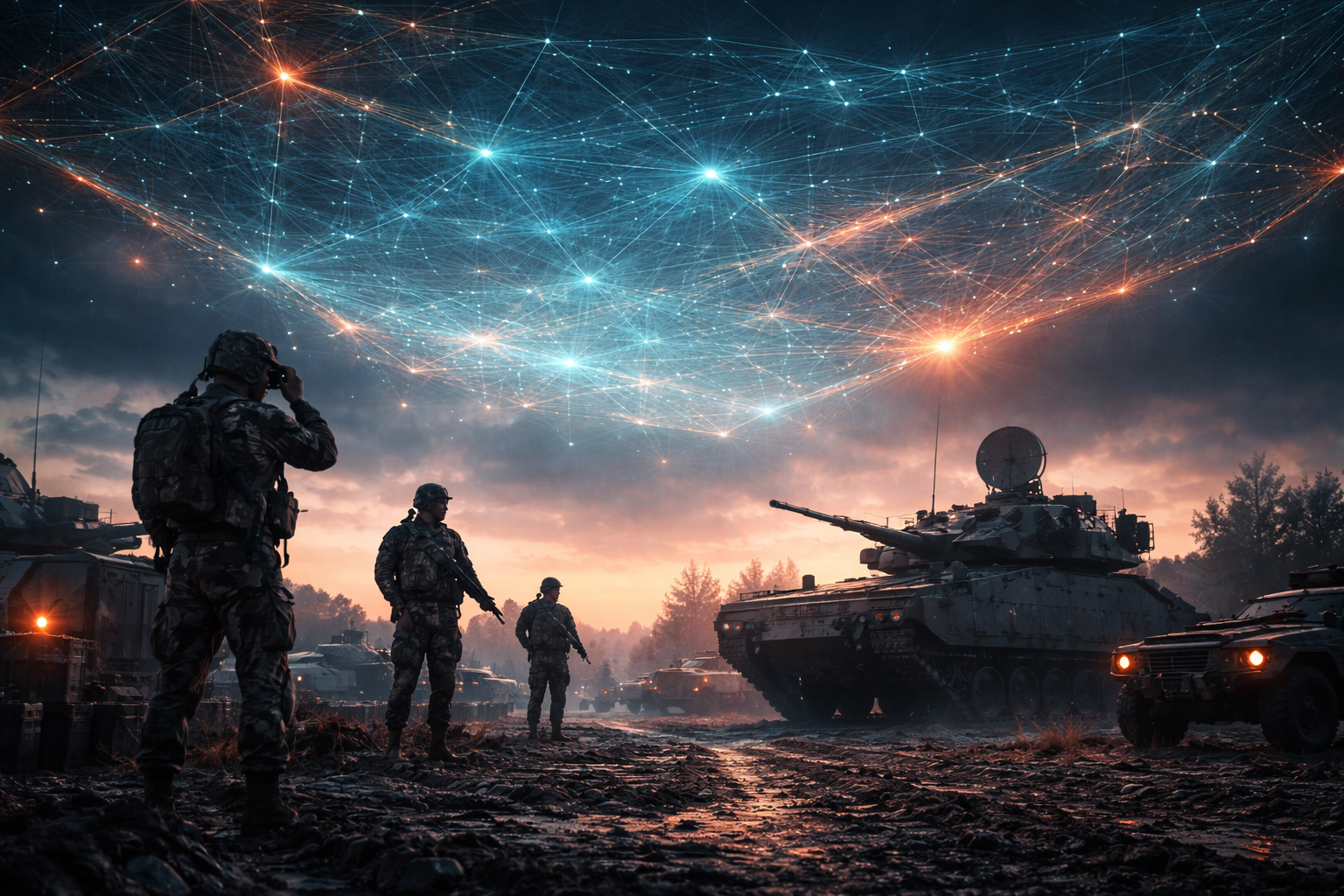
MBDA’s FastTrack mission-planning tool shows how cruise-missile capability is moving further into the software environment that prepares a weapon for launch.
The system can generate multiple cruise-missile route options in under 30 seconds, using inputs on terrain, weather, radar coverage, air defences, and target characteristics. Operators receive alternative paths and exposure assessments that can shorten the planning cycle for complex strike missions. In a contested environment, route generation is no longer a clerical process around a finished missile; it is part of the weapon system itself.
Software has sat inside precision weapons for decades, but mission-planning tools are becoming a more visible part of a missile’s operational value. Range, warhead, engine, seeker, and signature still define the physical weapon, while the planning environment shapes how quickly that weapon can be tasked, adapted, and used against a defended target set. Slow planning can blunt the effect of a sophisticated missile, especially when targets move or air-defence networks change.
The industrial system behind a cruise missile now includes terrain databases, radar-emitter libraries, mission-planning algorithms, threat models, user interfaces, secure computing hardware, update pipelines, and validation tools. These are not accessories delivered after the missile leaves the factory. They are part of the capability a customer expects to receive, maintain, and improve.
Cruise-missile planning is technically demanding because survivability often depends on low-altitude routing, terrain masking, sensor avoidance, fuel management, and target approach geometry. A route planner has to balance distance, manoeuvre, exposure, navigation accuracy, known air-defence positions, suspected emitters, no-fly constraints, and mission priorities. Faster generation has to preserve that complexity rather than simplify the problem into a straight-line automation exercise.
AI-assisted planning also creates a verification burden. Operators and commanders need confidence that the tool’s outputs can be reviewed, challenged, and understood. A black-box route generator would sit uneasily inside a weapons-release chain. Software assurance, explainability, cyber protection, configuration control, and human-machine interface design therefore become part of the industrial workload.
The production link is deeper than it first appears. Missile factories must build physical weapons, while software teams maintain the digital environment that keeps those weapons relevant. Threat libraries change. Air-defence systems move. Radar networks are upgraded. Terrain and weather data improve. Mission-planning tools must be updated securely without breaking accreditation, operator training, or compatibility with existing missile stocks.
This same pressure runs through missile production more broadly. Air-to-air weapons, air-defence interceptors, and precision rockets are all being pulled toward larger stockpiles, faster production, and more frequent software upgrades. Missile capability increasingly rests on a combination of metalwork, energetics, electronics, software, test data, and production rate. FastTrack sits on the digital side of that same demand curve.
European industry also has a sovereignty stake. Cruise-missile planning can depend on sensitive geospatial data, radar intelligence, target libraries, classified performance assumptions, and national rules of engagement. A planning system controlled outside the customer’s sovereign environment can create restrictions, delays, or data-handling risks. European software tied to European missile systems strengthens MBDA’s position as a supplier of sovereign strike capability rather than a manufacturer of stand-alone weapons.
Training will shape how useful the system becomes. A faster planning tool can give operators more time to compare alternatives, rehearse missions, adjust assumptions, and adapt under pressure. That advantage only survives if data loading, approval processes, security procedures, and user interfaces are designed around real operational workflows. Tools that perform well in controlled demonstrations can lose pace when they meet classified networks, approval chains, and field conditions.
The supplier base behind this type of capability is different from a conventional missile line. It needs software engineers, operational analysts, data scientists, electronic-warfare specialists, geospatial teams, cyber specialists, weapons engineers, and test specialists working together. It also requires secure workstations, processors, simulation environments, encrypted communications, test datasets, and accreditation routes.
FastTrack points to a broader shift in offensive technology. Weapons are becoming digital products that include propulsion, structures, warheads, and sensors, rather than purely physical products with software added at the end. The distinction between factory, software lab, intelligence update, and operational unit is becoming harder to maintain.
The missile still has to fly, survive, and strike. Increasingly, the industrial advantage begins before launch, in the quality of the data, planning tools, software assurance, and mission systems that make the physical weapon usable at speed.