IN Brief:
- L3Harris has received an undefinitized Lockheed Martin contract valued above $6 billion over seven years for THAAD propulsion.
- The company will build a new facility for THAAD solid rocket boost motors and expand liquid Divert and Attitude Control production.
- The award follows an earlier framework intended to quadruple THAAD propulsion output.
L3Harris Technologies has received an undefinitized contract from Lockheed Martin valued at more than $6 billion over seven years to increase propulsion production for the Terminal High Altitude Area Defense interceptor.
The value excludes escalation and follows a framework announced earlier in 2026 under which L3Harris and the US Department of War planned to quadruple THAAD propulsion output.
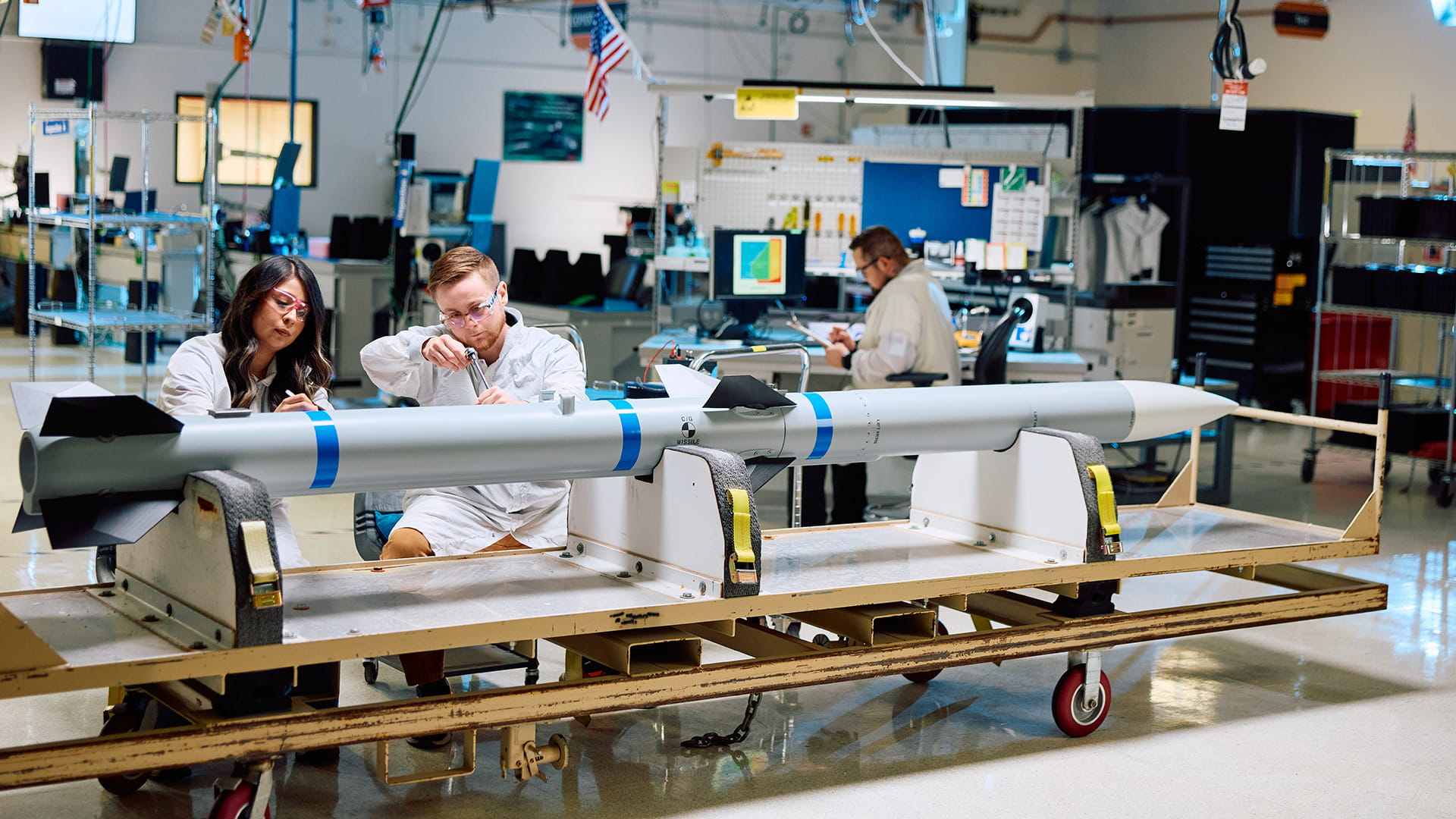
L3Harris will construct a new facility to increase manufacture of THAAD solid rocket boost motors and is also expanding capacity for the interceptor’s liquid Divert and Attitude Control system.
Increasing both propulsion elements is important because they perform different functions during the interceptor’s flight. The solid boost motor accelerates the vehicle after launch, while the divert and attitude control equipment supports precise manoeuvring later in the engagement.
Scaling one without the other would simply create a different production bottleneck. A larger inventory of boost motors cannot increase complete interceptor deliveries if the control propulsion system remains constrained, and the reverse applies equally.
The manufacturing disciplines are also different. Solid motors require controlled propellant processing, motor cases, insulation, nozzles and inspection of energetic materials, while liquid control propulsion uses precision components, valves and tightly controlled assembly processes.
Both areas require specialised infrastructure. Buildings handling energetic materials need appropriate separation distances, safety systems and process controls, while production equipment itself has to be commissioned and qualified before hardware from a new line can enter an operational missile programme.
The seven-year contract gives L3Harris a longer planning horizon for those investments. Undefinitized arrangements allow work to begin before every contractual term is finalised, although the final value and production profile remain dependent on definitization and programme funding.
The THAAD award follows a separate multibillion-dollar L3Harris propulsion contract supporting PAC-3 Missile Segment Enhancement. Together, the programmes place the company inside two major US missile defence production increases at the same time.
That creates common industrial pressures even where the hardware itself is different. Skilled labour, specialised equipment, energetic materials and lower-tier suppliers can become shared constraints across several propulsion programmes as each prime contractor attempts to increase output.
L3Harris has already been expanding its US propulsion footprint to address those demands. New production buildings and equipment have been introduced across its missile propulsion operations, while the THAAD contract adds another dedicated facility to the investment programme.
The capacity increase responds to the same problem affecting the wider missile industrial base: prime contractors cannot raise final interceptor output without corresponding increases from the companies producing motors, electronics, seekers, structures and control systems.
Long term agreements help by allowing suppliers to plan recruitment, machinery, material purchases and qualification activity around a clearer demand profile. They do not remove the time required to construct specialist buildings or establish safe and repeatable manufacturing processes.
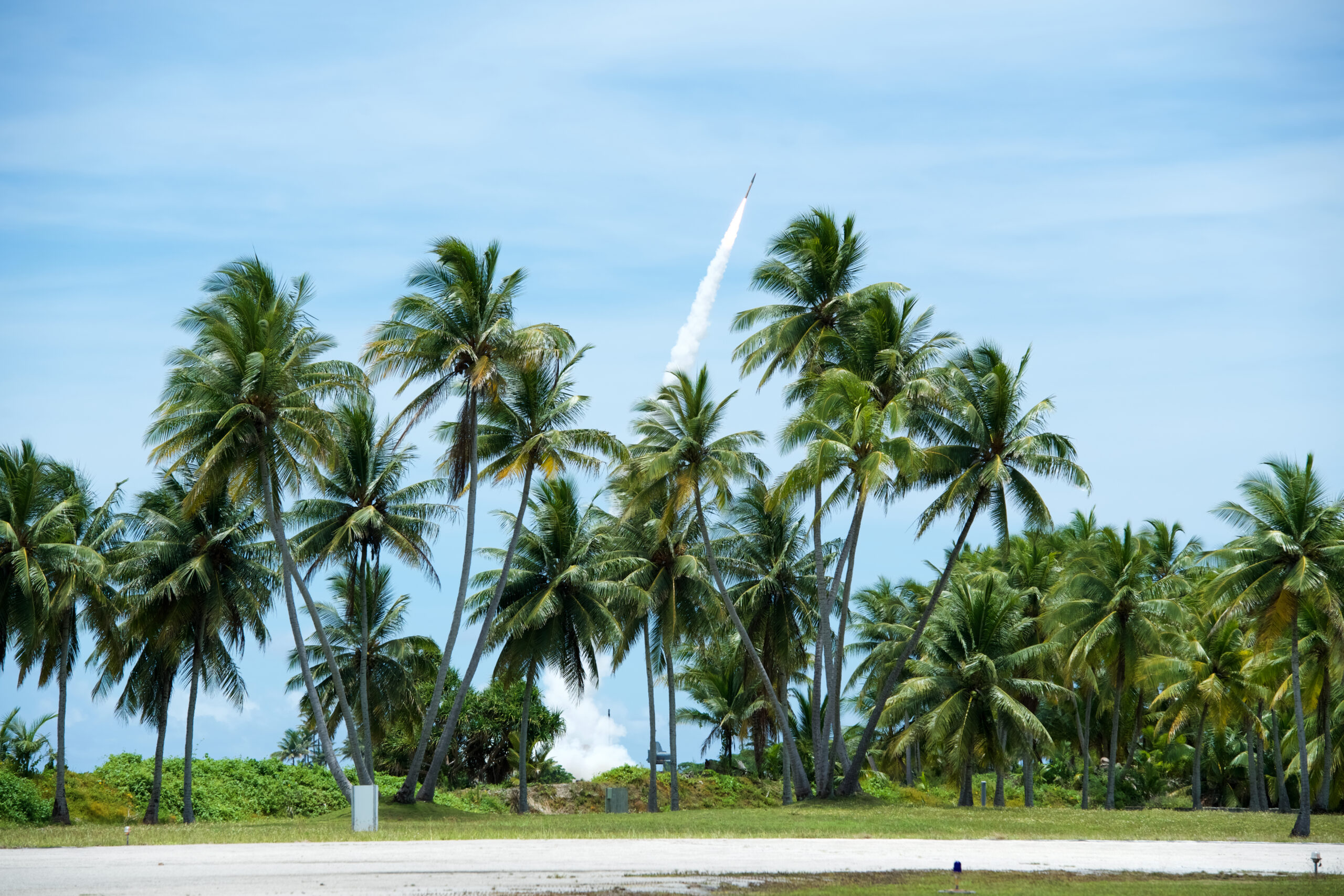
THAAD itself is designed to intercept short, medium and intermediate-range ballistic missile threats during the terminal phase of flight. L3Harris states that the system has maintained a 100 per cent intercept success rate in flight tests since production began.
That historical performance places a heavy quality requirement on an expanded production system. Raising volume cannot come at the expense of the controlled processes and acceptance standards applied to propulsion hardware intended for a hit-to-kill interceptor.
Lockheed Martin remains the THAAD prime contractor, meaning propulsion deliveries must be synchronised with the rest of the interceptor manufacturing chain. Motors completed too far ahead of other components create inventory rather than finished missiles, while propulsion shortages can leave more expensive hardware waiting for integration.
The timing of the new capacity is therefore as important as its nominal size. Facility construction, recruitment, equipment installation and qualification have to reach maturity early enough to support planned interceptor growth rather than follow the demand curve several years behind it.
The contract gives L3Harris the commercial basis to begin that work across both solid and liquid propulsion. The next measurable milestones will be construction of the new boost motor facility, expansion of divert and attitude control production and the rate at which qualified propulsion hardware begins flowing into higher THAAD output.