IN Brief:
- Thales integrated its compact VORTEX tactical intelligence system onto a Beyond Vision BVQ418 uncrewed aircraft.
- The Portuguese Navy operated the aircraft while VORTEX detected and analysed cellular network signals during REPMUS26.
- The demonstration tested how modular intelligence payloads can extend collection reach without putting additional personnel into difficult operating areas.
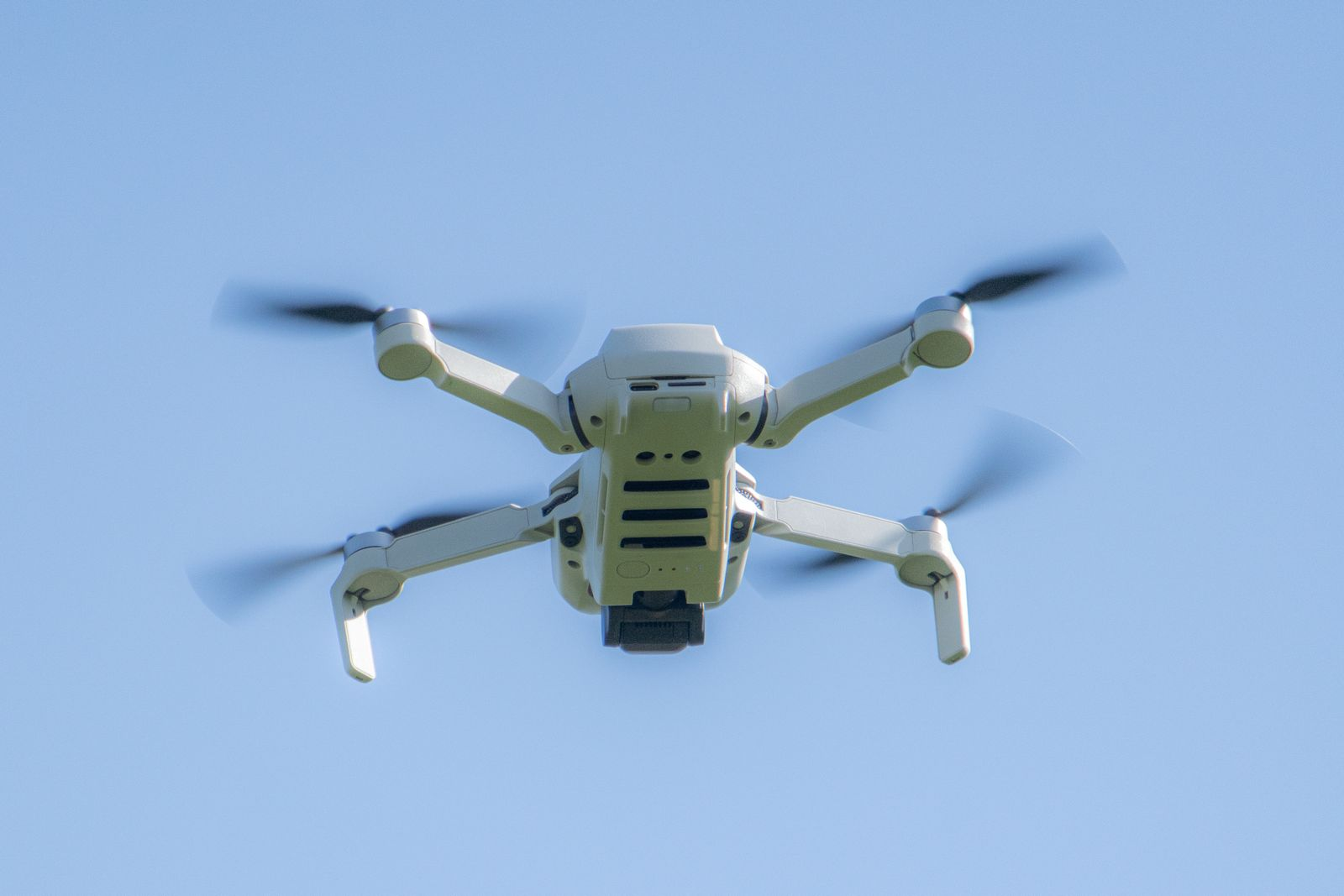
Thales has demonstrated its VORTEX tactical intelligence system aboard a Beyond Vision BVQ418 uncrewed aircraft during REPMUS26 in Portugal, testing how signals collection can be pushed closer to areas that may be difficult to access with crewed platforms or personnel.
The Portuguese Navy operated the aircraft during the demonstration, while VORTEX detected and analysed signals from cellular networks in the operational environment. Thales describes the payload as compact and modular, with the flexibility to operate from different uncrewed platforms according to mission requirements.
The test addresses a practical intelligence problem. Signals collection is constrained by geography as much as sensor performance, particularly around coastlines, islands, ports and built-up areas where terrain and infrastructure can limit line of sight. Moving a sensor aboard an uncrewed aircraft gives operators another way to position the collection equipment without moving a ship, vehicle or specialist team into the same area.
The company has not disclosed the payload’s weight, power demand, frequency coverage, detection range or processing architecture. The BVQ418 integration nevertheless demonstrates that the equipment is compact enough to operate from a comparatively small uncrewed air platform rather than requiring a larger dedicated intelligence aircraft.
That changes the integration challenge rather than removing it. The payload still needs electrical power, physical mounting, data connections and communications with the operator, while the host aircraft has to carry the equipment without compromising useful endurance or flight performance.
A system designed to detect radio-frequency activity must also coexist with the drone’s own communications and navigation equipment. Antenna placement, electromagnetic compatibility and onboard interference become important because the sensor is attempting to identify signals while operating alongside transmitters required to control the aircraft and move collected information back to the user.
Thales says VORTEX can be moved between different uncrewed platforms. That approach separates the intelligence payload from a single aircraft design and gives operators scope to select an air vehicle according to endurance, operating radius, payload capacity or launch constraints.
It also gives the intelligence equipment a different development cycle from the airframe. Uncrewed aircraft are changing quickly as autonomy, navigation, power systems and communications improve, and a modular payload can potentially migrate to newer platforms without requiring the sensing function itself to be redesigned.
The value of that flexibility depends on interface discipline. Electrical connections, mechanical mounts, data protocols and operator software have to be controlled well enough for moving the payload to another aircraft to be an integration exercise rather than a fresh development programme.
REPMUS provides a useful environment for that work because the exercise concentrates on operational integration of maritime uncrewed and autonomous systems. Equipment from different suppliers is placed into a broader naval environment where communications, command systems and other platforms become part of the test rather than background assumptions.
For intelligence collection, detecting a signal is only the beginning. The information has to be associated with location and time, processed into something useful and moved into the wider operational picture quickly enough to affect a decision. The benefit of placing the sensor farther forward is reduced if the resulting data cannot reach the people who need it.
Processing aboard the aircraft can reduce communications demand by filtering collected information before transmission, while more centralised processing places greater reliance on the data link. Thales has not detailed which approach was used during REPMUS26, leaving the demonstration focused on the ability to collect and analyse cellular network signals from the airborne platform.
The maritime environment adds further constraints. Wind, salt exposure, humidity and operations around moving vessels can all affect small uncrewed aircraft, while civilian and military radio activity may create a dense electromagnetic environment around ports and coastal areas.
Those conditions make representative exercises more useful than a standalone laboratory test. A payload that performs correctly on a bench still has to work when carried by an aircraft operating at range, exchanging data with an operator and sharing the spectrum with other systems.
VORTEX does not emerge from REPMUS26 as a newly selected Portuguese Navy system. Thales has presented the activity as a capability demonstration rather than an acquisition announcement, and no production quantity or operational fielding timetable has been disclosed.
The significance lies instead in the combination of a modular intelligence payload with an operationally controlled uncrewed aircraft. Further progress will depend on repeated trials, integration with command systems and evidence that the payload can move between platforms without recreating the engineering work each time.