IN Brief:
- The US Army has awarded ten suppliers positions under counter UAS contract vehicles with a potential combined ceiling of up to $7 billion.
- The selected companies span sensors, effectors and command and control rather than a single standard counter-drone configuration.
- The contracts will support JIATF-401, the Pentagon’s counter-drone marketplace, Domestic Shield and other federal requirements.
The US Army has awarded ten companies positions under counter UAS contract vehicles with a potential combined value of up to $7 billion, creating a broad procurement route for sensing, command and control and defeat technologies rather than selecting a single standard system.
Army acquisition leaders said the indefinite delivery, indefinite quantity arrangements will support Joint Interagency Task Force 401, the Pentagon’s drone and counter-drone marketplace, the Domestic Shield programme and other counter UAS requirements across the US federal government.
The ten suppliers are Allen Control Systems, Digital Force Technologies, DroneShield, Echodyne, Napatree Technology, PVP Advanced EO Systems, RADA Technologies, SmartShooter, SRC and L3Harris WESCAM.
Reported individual base ceilings range from $150 million to $500 million. Those figures establish contracting capacity rather than guaranteed equipment purchases, with actual expenditure dependent on subsequent task orders.
That distinction is important because the headline ceiling is not equivalent to $7 billion of systems entering production. The IDIQ structure instead reduces the amount of contracting activity required when an Army or federal customer identifies a specific need and allows orders to be competed among prequalified suppliers.
The selected companies also illustrate the breadth of the requirement. Counter UAS has developed beyond the search for one radar, jammer or interceptor capable of handling every threat, with the Army now emphasising layered systems able to detect, track, identify and defeat different classes of uncrewed aircraft.
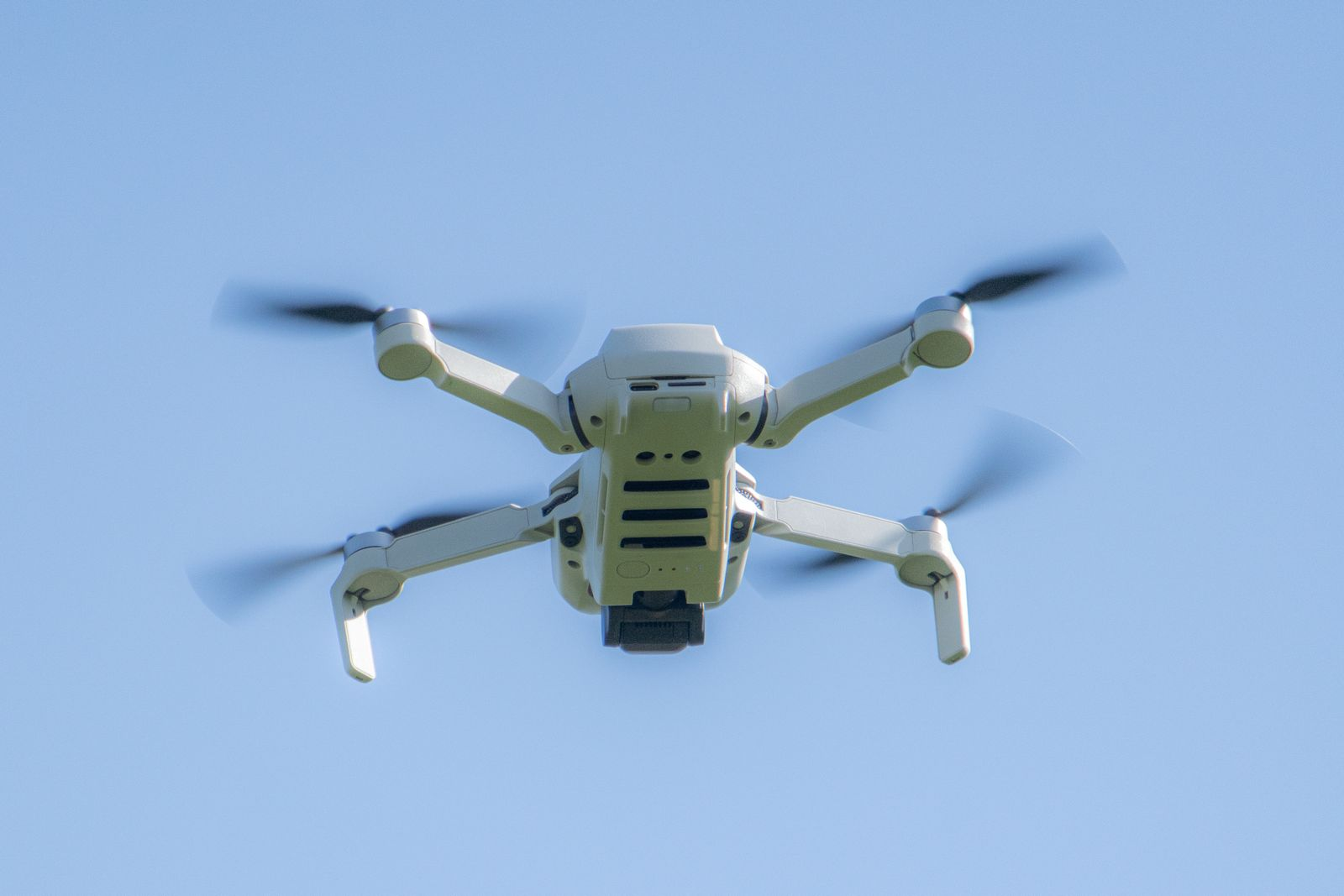
Small commercial-style quadcopters create a different problem from faster fixed-wing vehicles, autonomous aircraft or coordinated groups of drones. Terrain, radio congestion, weather, civilian air traffic and the value of the defended site all affect which sensor and effector combination is appropriate.
The contract vehicle therefore gives the Army scope to mix technologies rather than hardwire one architecture into every deployment. Radar can provide wide area detection, passive radio-frequency sensors can identify emitting systems, electro-optical equipment can improve classification and kinetic or electronic effectors can then be selected according to the target.
Command and control becomes the layer connecting those components. Tracks from different sensors have to be correlated, duplicate contacts removed and engagement decisions presented quickly enough for the system to react before a small aircraft reaches the defended asset.
That requirement makes interoperability a significant procurement issue. A technically strong radar has limited value if its track data cannot be passed into the command system, while an effective interceptor cannot be used efficiently if the sensor network cannot provide suitable cueing and identification.
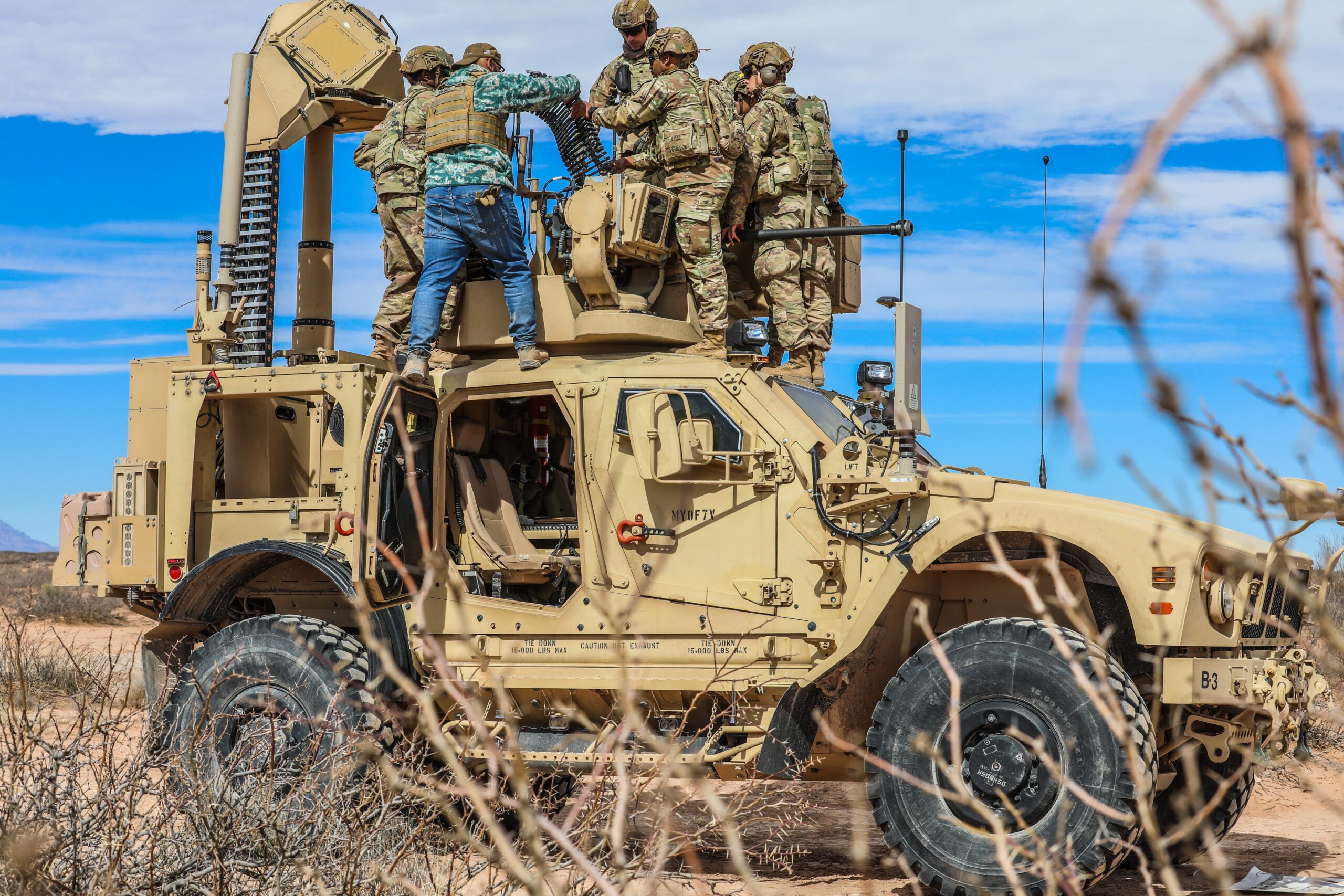
DroneShield is one of the selected suppliers and already has equipment moving through US military vehicle integration. Its DroneSentry-X Mk2 recently reached initial operational capability on Infantry Squad Vehicles after installation, live-aircraft acceptance testing and operator training.
The new IDIQ is broader than that individual deployment. It gives participating suppliers an approved contracting route through which several customers can purchase different counter UAS technologies as requirements emerge.
Army officials also linked the marketplace approach with production capacity. Demand for drones and counter-drone systems currently exceeds available supply in some areas, creating pressure to connect manufacturers with a larger and more predictable customer base.
A sizeable contracting vehicle can give suppliers greater confidence to invest in inventory, production equipment and staff, although the effect will depend on real task orders rather than the ceiling alone. Manufacturers are unlikely to build substantial permanent capacity around theoretical maximum values without a visible ordering pipeline.
The production challenge varies considerably across the supplier group. Radar manufacturers depend on microwave electronics and antennas; electro-optical companies require specialised imaging components; electronic warfare systems use radio-frequency hardware and software; and kinetic systems add ammunition, mounts, fire control and mechanical integration.
Counter UAS equipment also evolves unusually quickly because the target technology changes rapidly. Commercial drone components, navigation methods and communications links can change faster than conventional military procurement cycles, making shorter acquisition routes attractive to customers trying to avoid fielding equipment against a threat that has already moved on.
The Army’s approach is consequently as much about keeping competition available as buying one immediate hardware set. Multiple vendors can compete as requirements develop, while the marketplace and IDIQ mechanisms provide routes for successful technologies to move into orders without restarting a complete acquisition process.
Delivery schedules and initial customers have not been disclosed. Those task orders will provide the more useful measure of the programme because they will show which sensors, command systems and effectors move from contracting eligibility into quantity production and field use.