
Land
-
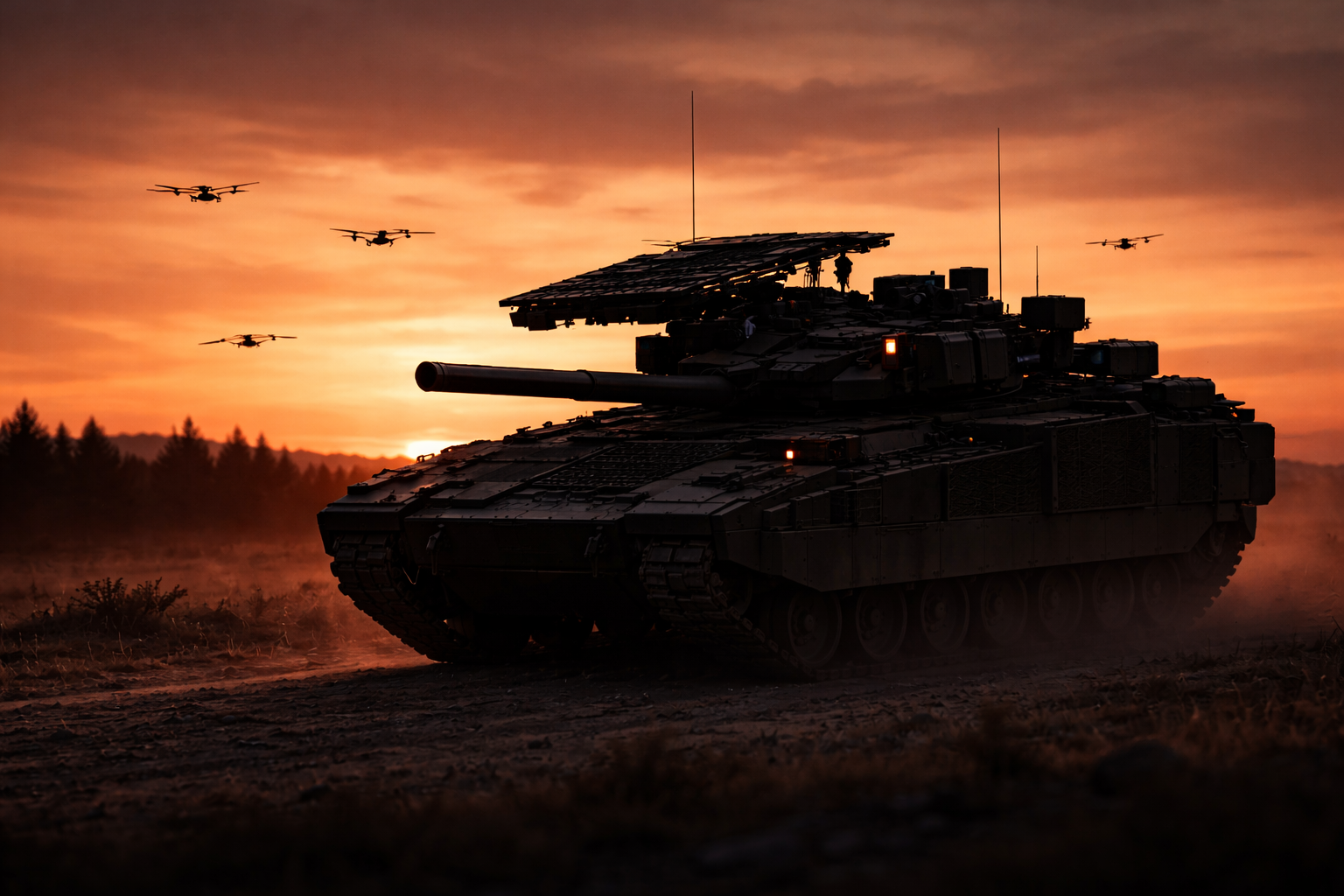
Three automotive teams enter America’s heavy infantry vehicle prototype contest. Exportable power and drive by wire controls reshape the vehicle requirement.
-
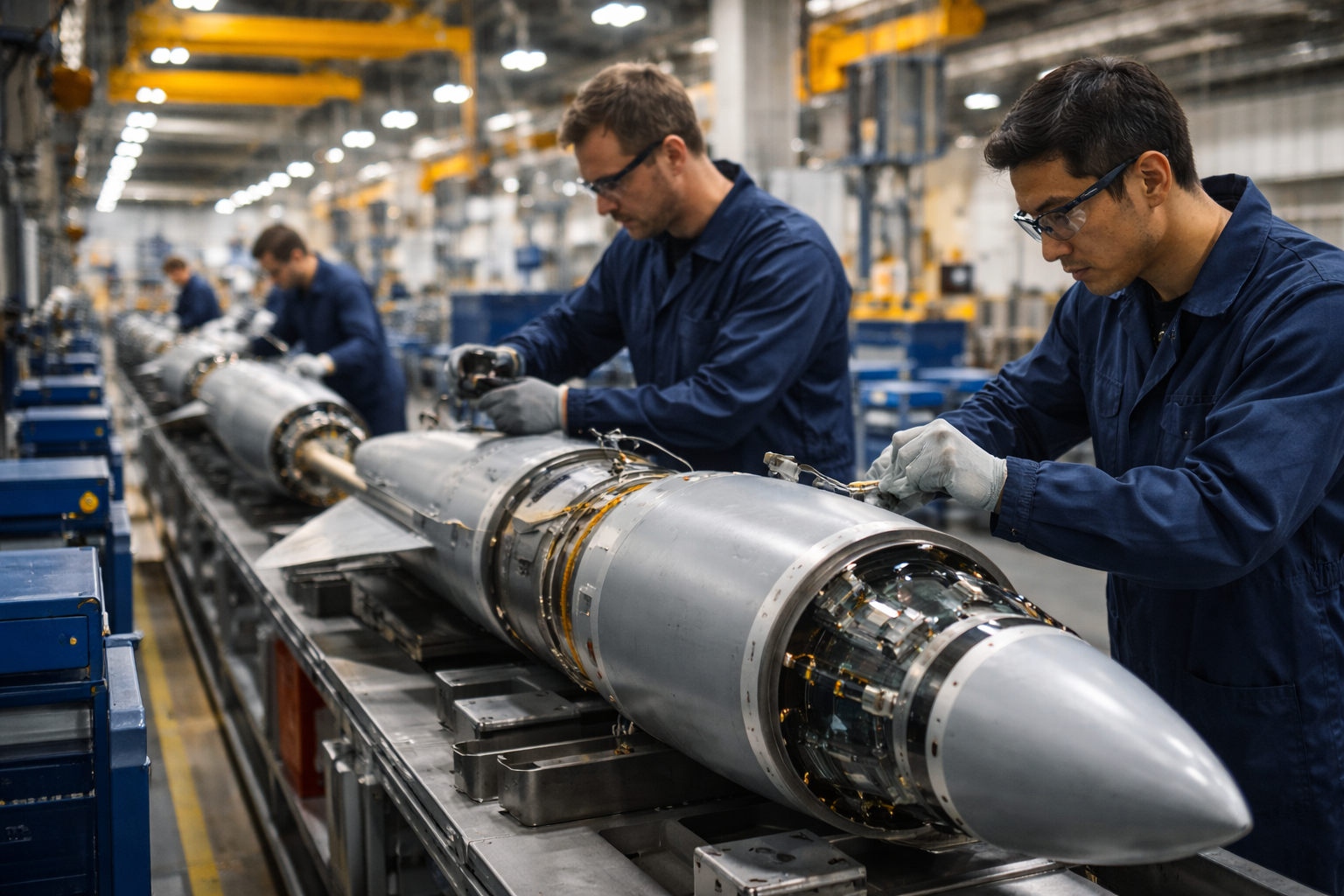
Northrop’s missile growth depends on resolving shared engineering bottlenecks quickly. AARGM-ER, SiAW, and PAC-3 work will compete for laboratories, suppliers, and skilled labour.
-
ASL GRP expands commercial leadership around growing global protection demand. Two appointments strengthen its support for aerospace, vehicle, and maritime customers.
-
European trials compare five loitering munition developers under common conditions. Portugal will test mission performance, resilience, operator burden, and production maturity.
-
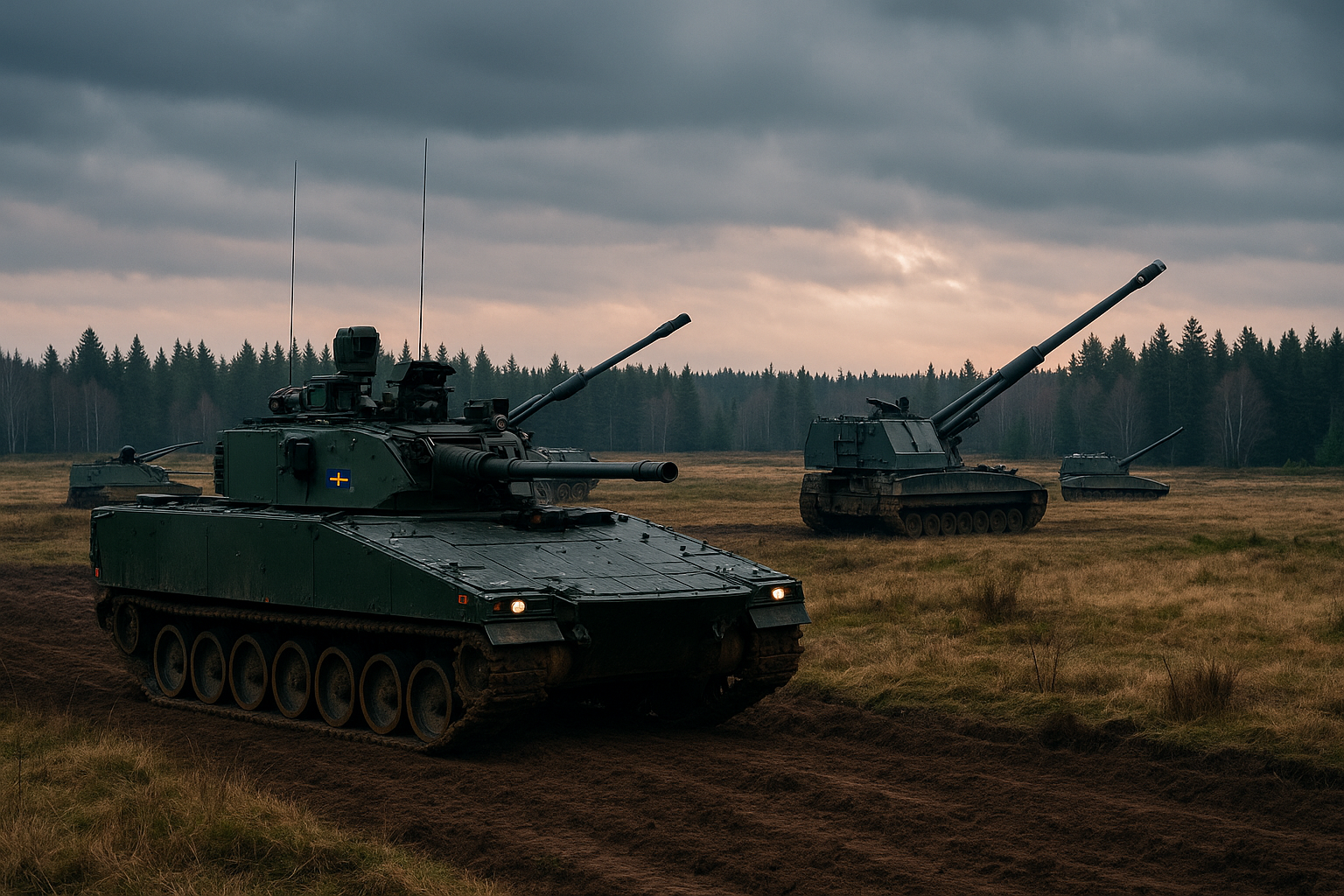
Italy advances sixty systems for mobile, long range artillery production. The programme would combine automated guns, wheeled chassis, ammunition support, and domestic production.
-
NATO names five suppliers for accelerated allied counter drone procurement. Framework contracts will shorten acquisition while preserving national configuration choices.
-
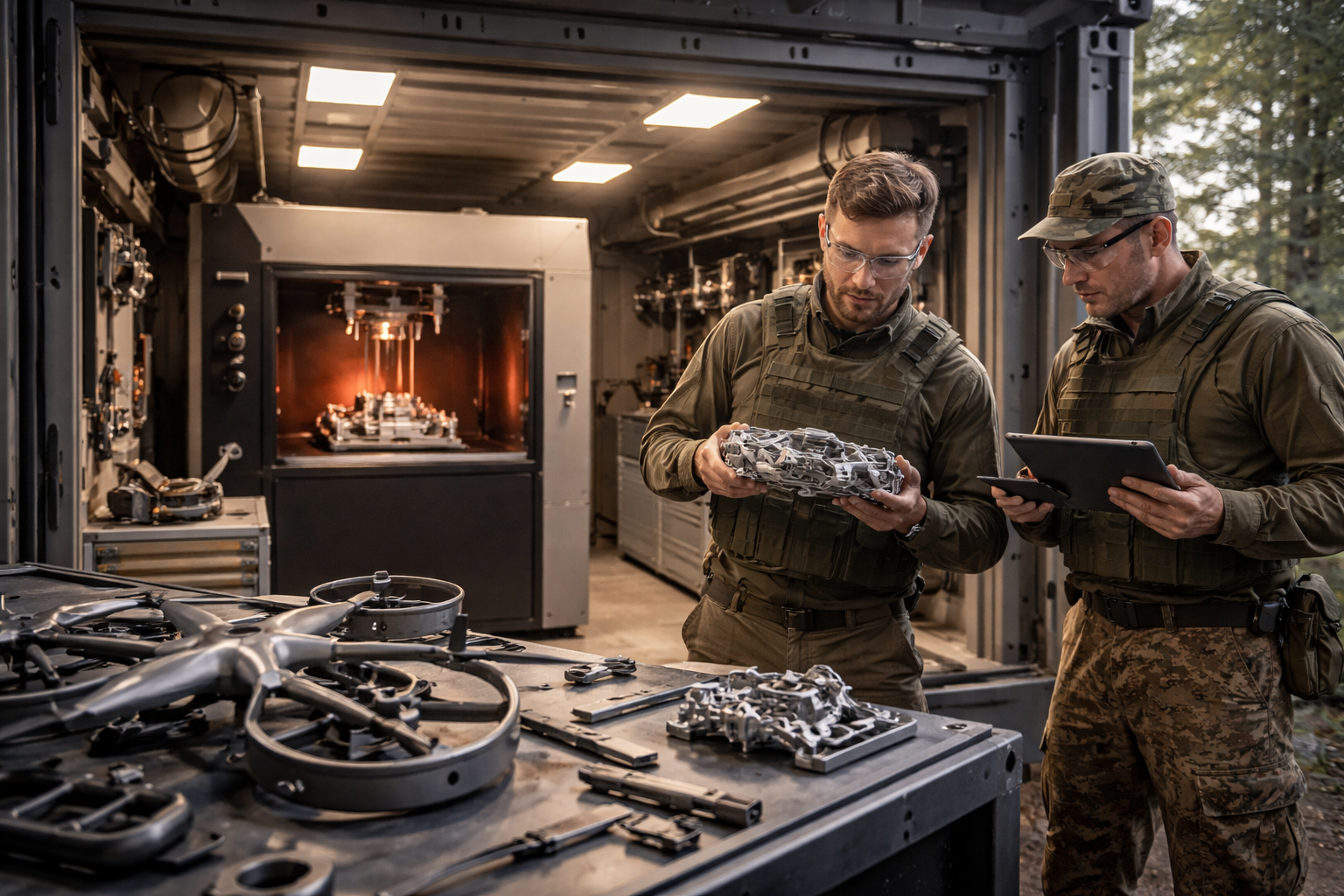
New Zealand opens a domestic route into loitering munition procurement. Local integration could unite airframes, software, communications, testing, and energetic systems.
-
Australia has connected Aegis software, radar, and launch hardware ashore. The prototype joins sovereign sensors with an established combat system architecture.
-
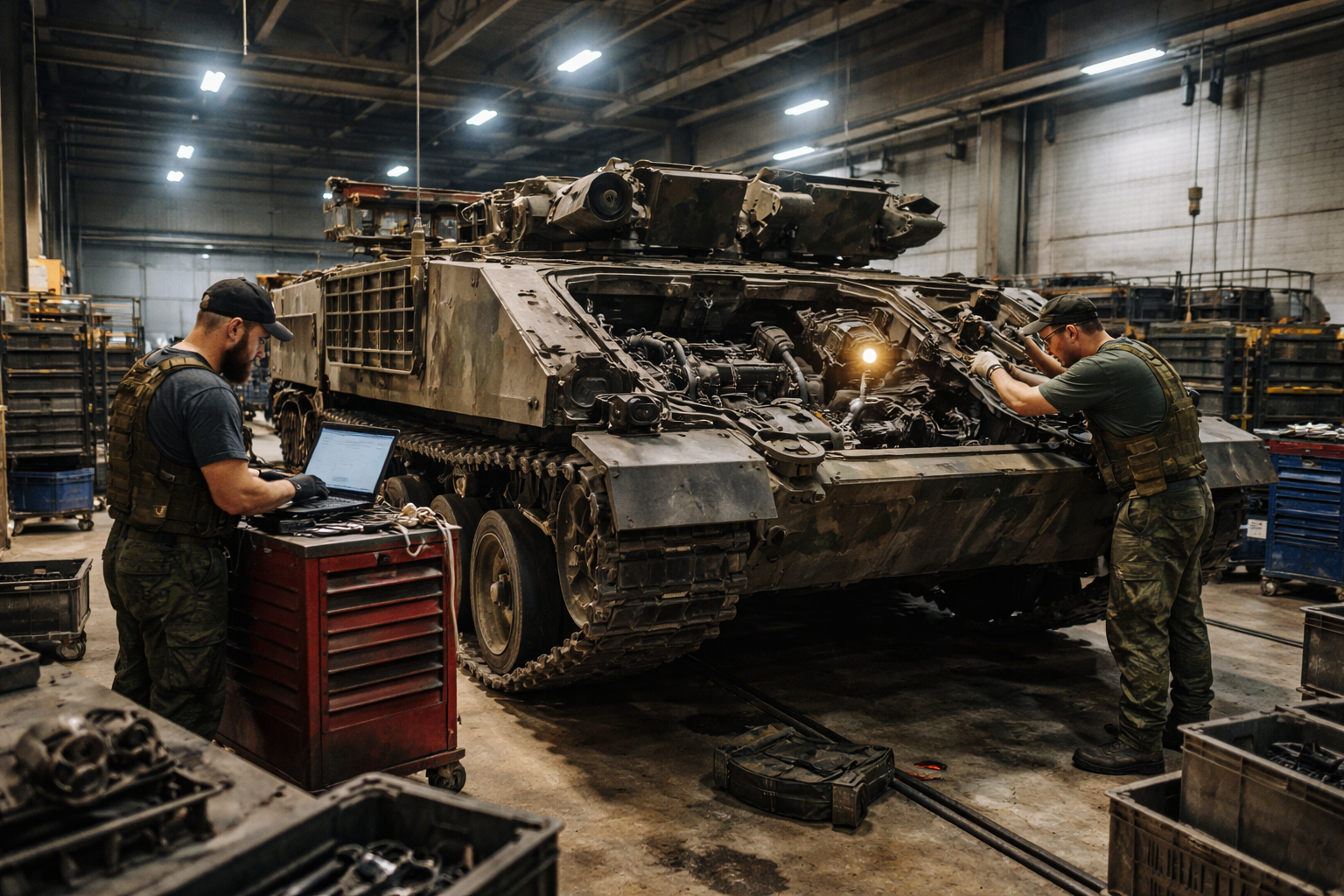
Lithuania is building domestic Leopard assembly and maintenance capacity rapidly. YIT will deliver a €30 million facility in Kaunas for Lithuania Defence Services, with completion planned during November 2027.
-
Frankenburg selects British warhead and propulsion partners for Mark I. BAE Systems and Roxel UK will provide two tightly controlled elements within the compact counter-drone interceptor as it moves towards qualification and production.