
Land
-
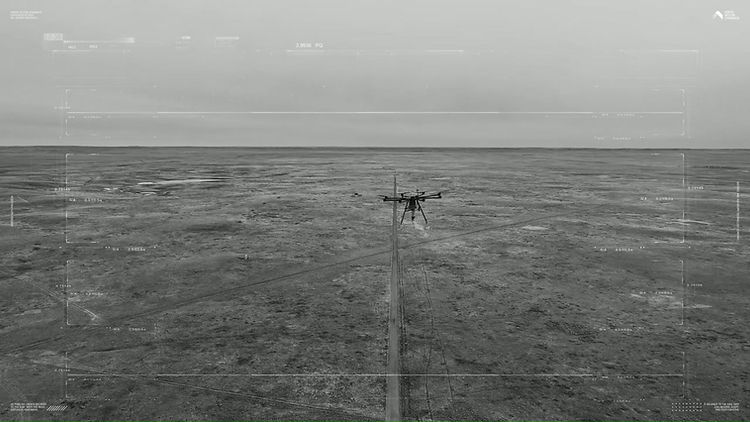
CSG has backed North Vector Dynamics’ CM-70 counter-drone interceptor programme. The investment adds manufacturing scale and allied-market access.
-
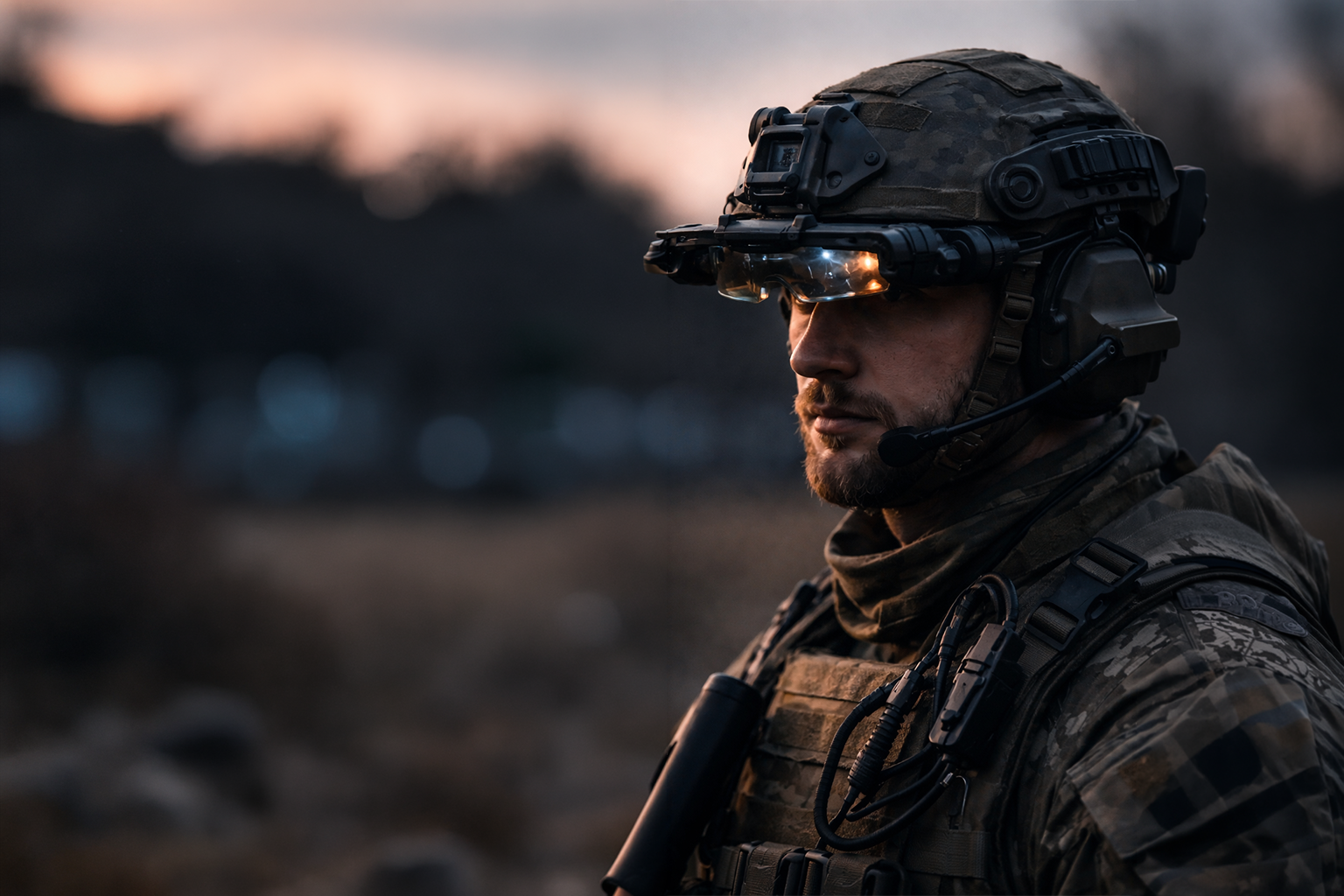
HENSOLDT will integrate Germany’s dismounted joint-fires equipment for serial production. The package combines air-support software, artillery command systems, video, communications, sensors, targeting equipment, power, and soldier-carried hardware.
-
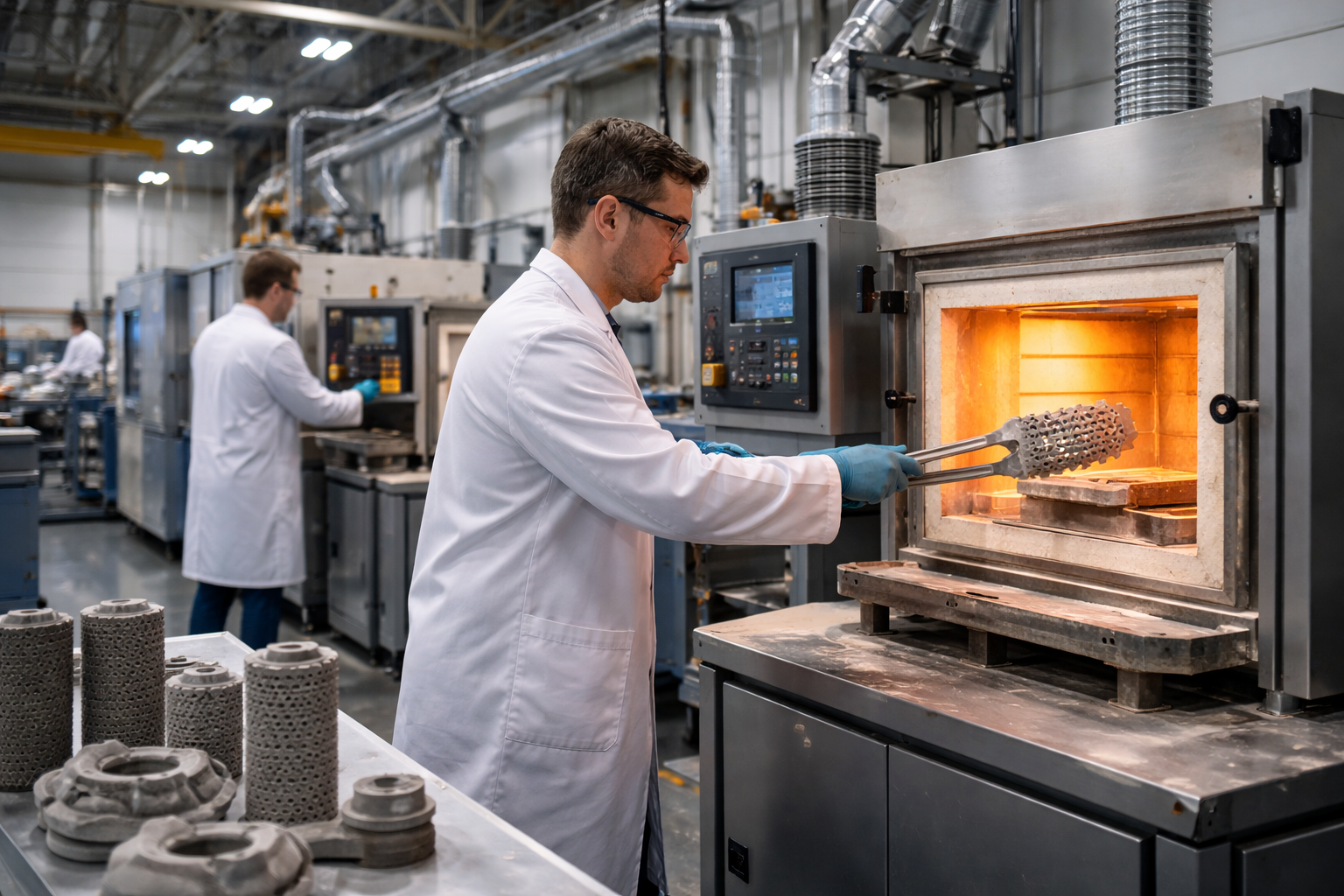
CSG has acquired Germany’s Gnaschwitz energetic materials manufacturing site outright. More than €100 million is planned for nitroglycerine, ammunition components, and additional European production capacity.
-
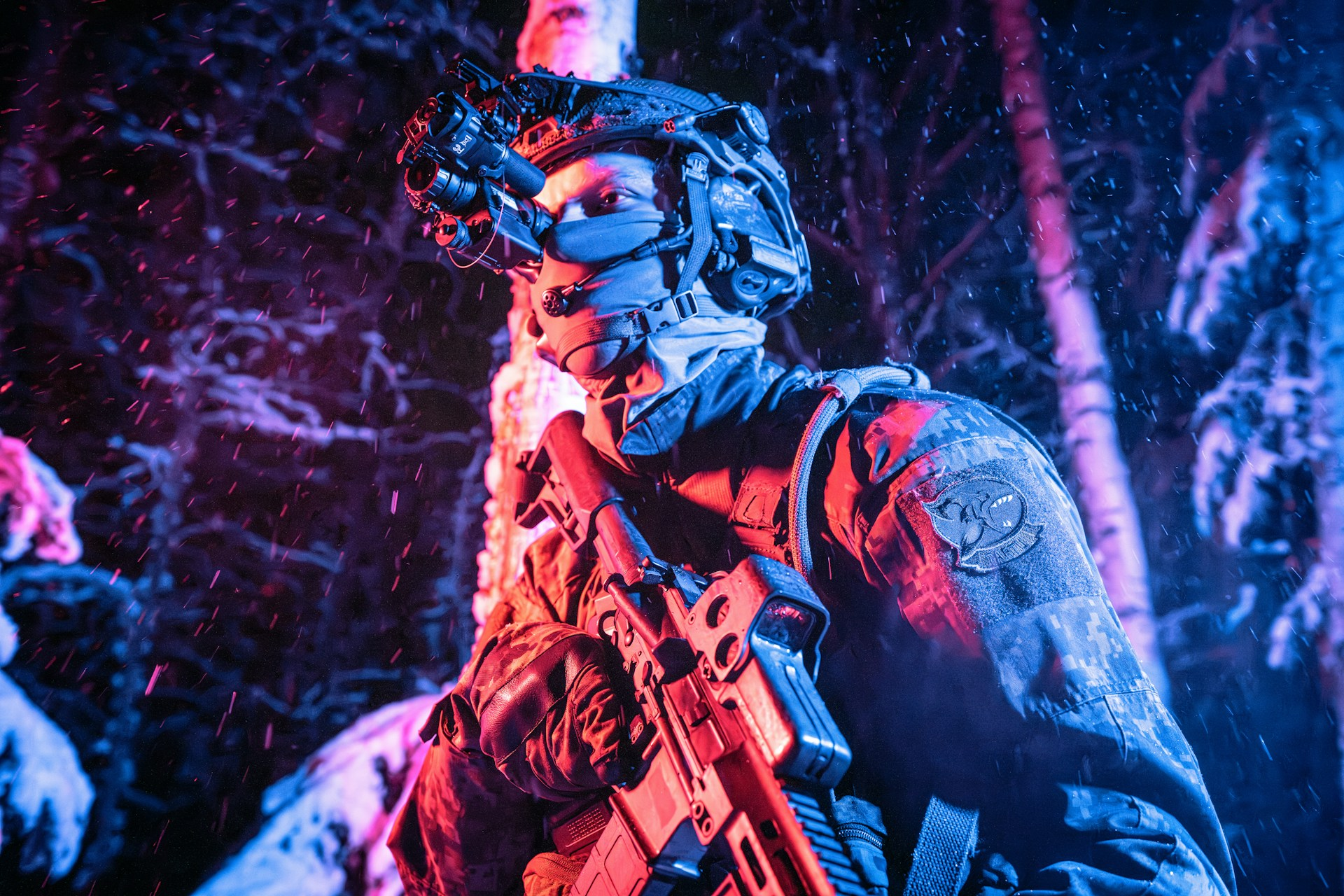
Aquaterro will supply and refurbish Australian combat helmets until 2033. The agreement is valued at up to A$160 million and includes locally manufactured camouflage covers and expanded technical support.
-

Britain has completed new trench systems across two training areas. The programme adds command posts, shelters, bunkers, observation points, firing positions, and vehicle infrastructure at Salisbury Plain and STANTA.
-
Northrop Grumman has signed two missile-production agreements worth $3 billion. The arrangements add a second PAC-3 rocket motor source and increase output of THAAD interceptor structural components.
-
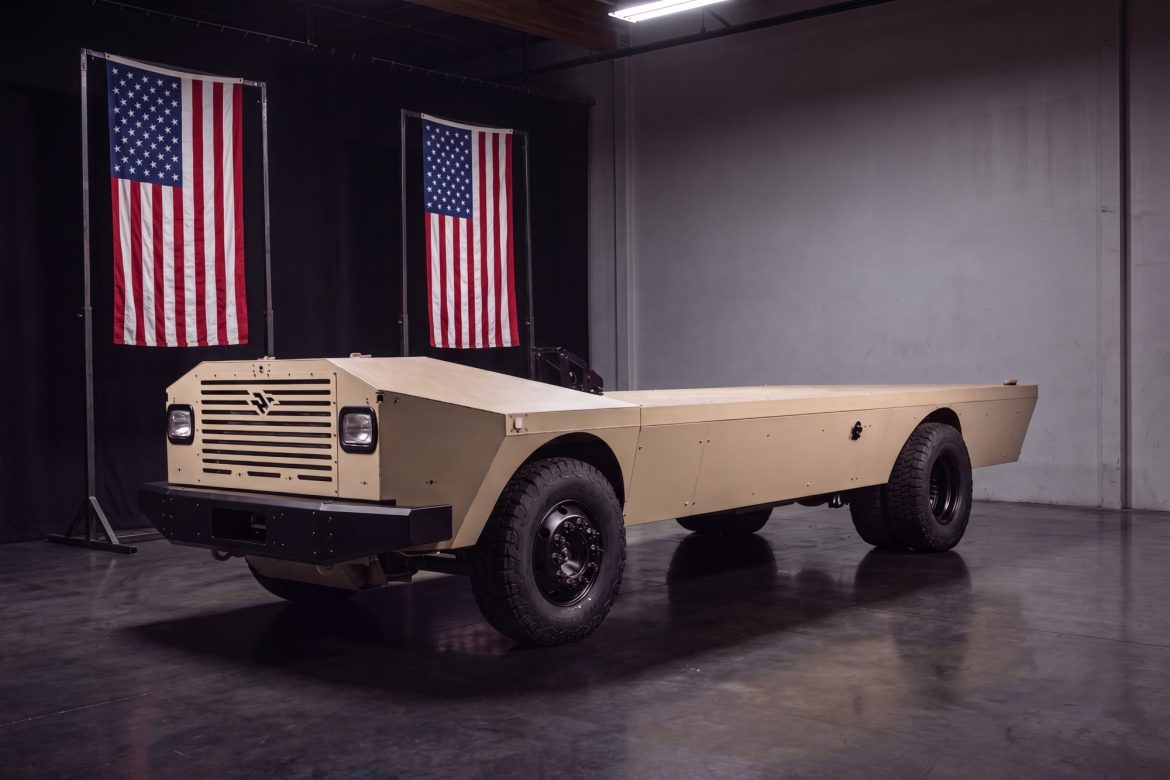
American Rheinmetall will deliver hybrid autonomous vehicles for Army logistics. The 18-month Project Sustainment contract combines commercial vehicle production, autonomous driving, and natural-language control.
-
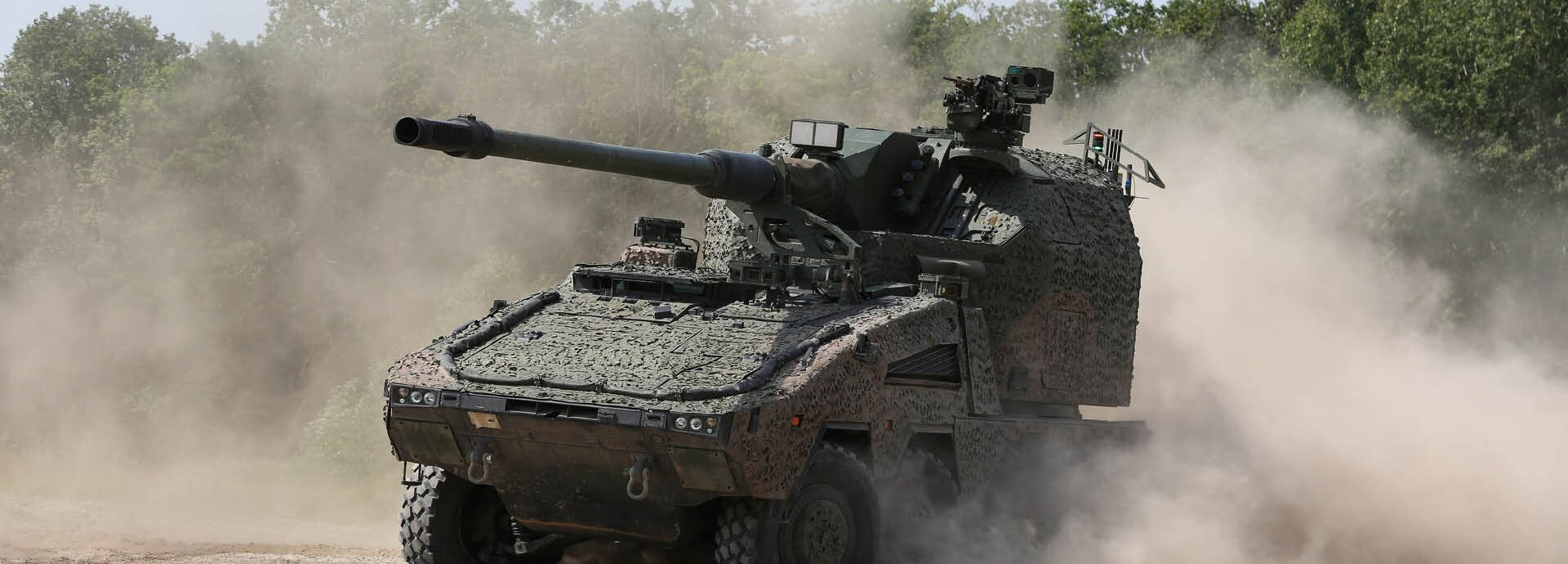
Rheinmetall will manufacture British RCH 155 weapon systems in Telford. Deliveries of 72 remote-controlled artillery systems are scheduled between May 2028 and June 2031.
-
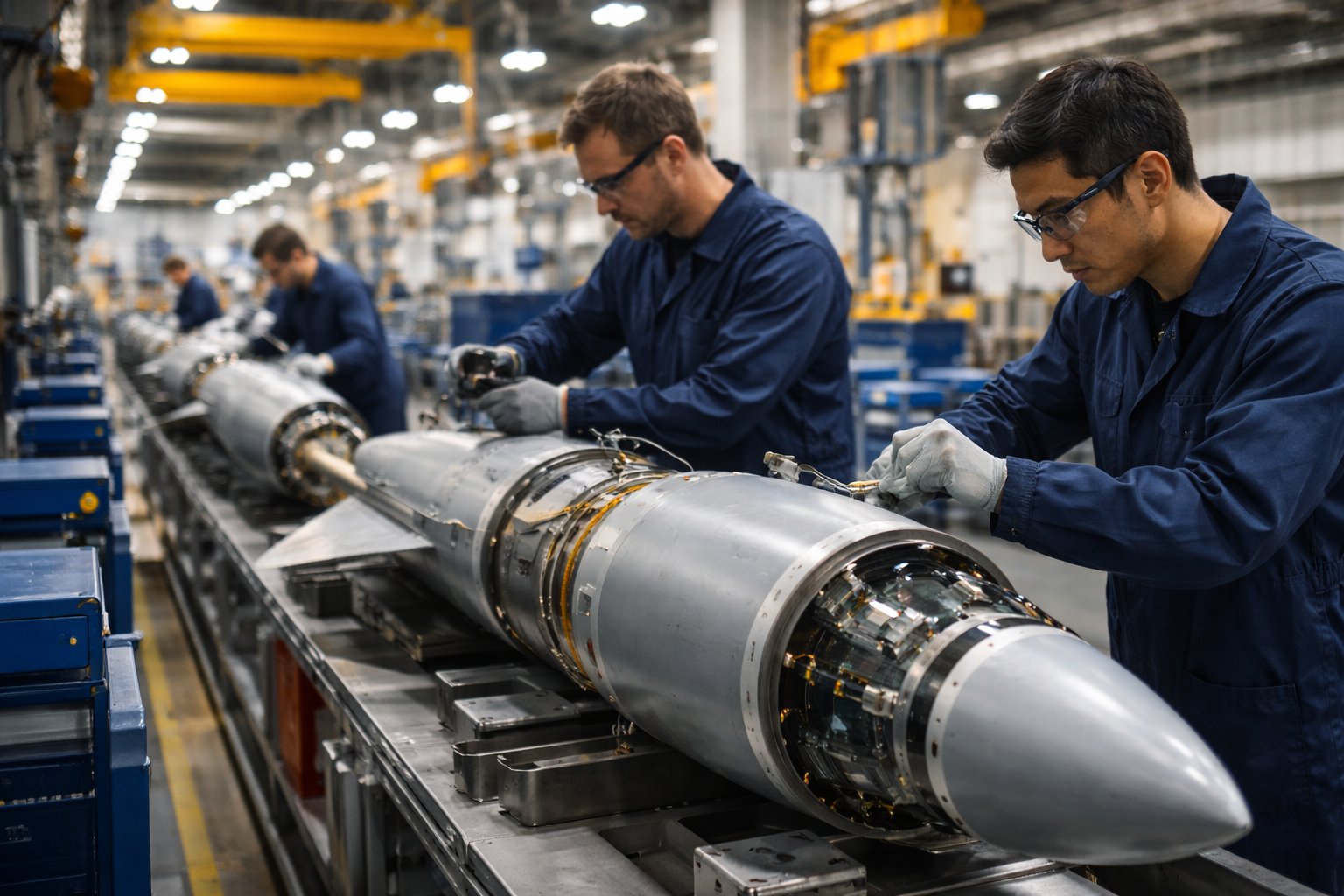
Lockheed Martin’s Patriot framework extends interceptor production through fiscal 2032. The potential $58.62 billion programme supports a planned tripling of PAC-3 MSE capacity by 2030.
-
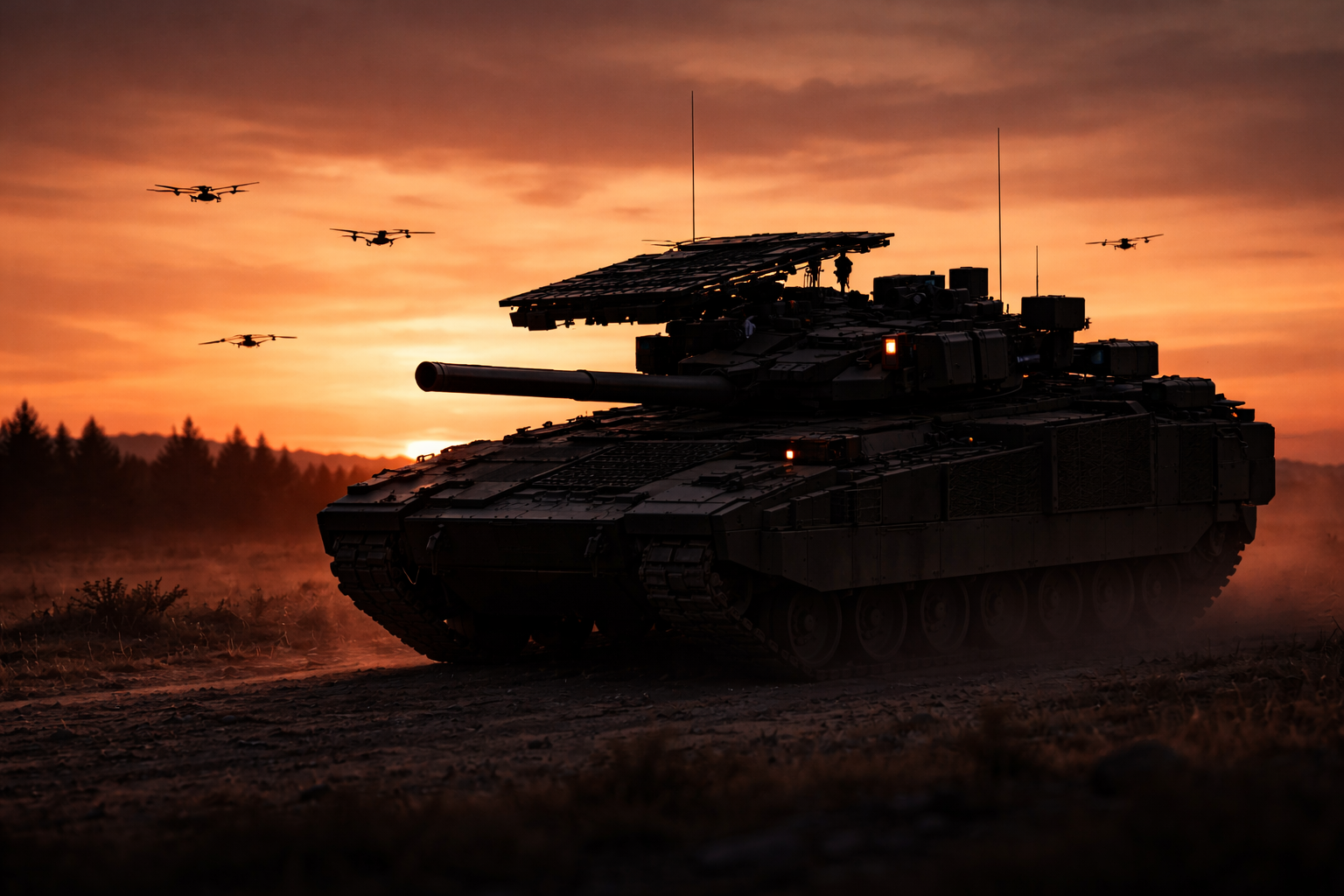
Taiwan plans to manufacture 246 reconnaissance vehicles from 2028 onwards. Iron Cavalry combines local vehicle integration, elevated surveillance sensors, a remote weapon station, and supporting electronics.