IN Brief:
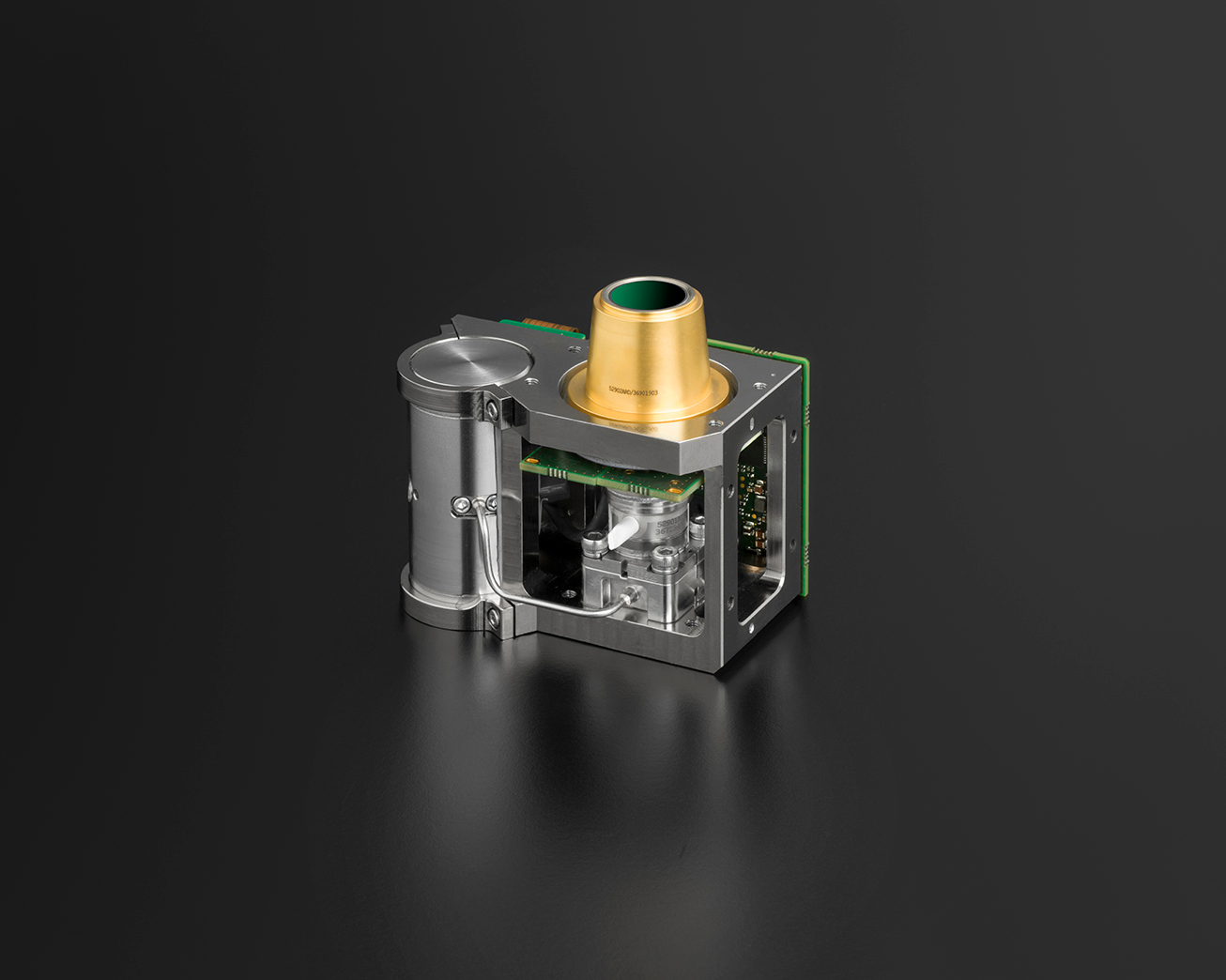
- ARGO SL is a compact VGA MWIR module designed for drones and other size, weight, and power constrained defence systems.
- The detector combines full-band MWIR coverage, 640 x 512 resolution, 15 μm pitch, and 4W power draw in a format suited to small gimbals.
- Its industrial pull is in integration speed, standardised interfaces, and reduced software burden for OEM camera and payload builders.
LYNRED has introduced ARGO SL, a compact mid-wave infrared module aimed at tactical drones and soldier-carried systems where size, weight, and power budgets decide what can actually be fielded.
The specification is tuned for that problem. ARGO SL delivers VGA resolution at 640 x 512 with a 15 μm pixel pitch and 4W power consumption, while covering the 3.7 to 4.8 μm MWIR band. The module is designed to fit into sub-6-inch gimbal-class payloads and portable defence systems, placing it directly into the design space now driving a large share of tactical ISR and lightweight targeting development.
LYNRED is also positioning the product as an answer to a more specific sensor problem. The new red-band module sits alongside the company’s existing blue-band MWIR offer, giving integrators a wider spectral choice when they are trading range, signal-to-noise performance, image robustness, and power draw against tight airborne or dismounted constraints.
SWaP still governs payload design
That part of the market has become much less forgiving. Small drones are expected to fly longer, see through degraded conditions, and support more complex missions without taking a large hit in endurance. Thermal sensing is now central to that equation, but cooled MWIR payloads can still impose penalties in battery sizing, gimbal growth, and integration effort.
ARGO SL is designed to limit those penalties. Its operating concept is straightforward: keep cooled-sensor performance in play for smaller platforms by holding power demand down and avoiding payload growth that pushes a drone into a heavier airframe class.
The integration model is part of the product
The industrial story sits in the PlugUp platform around it. Standardised interfaces, pre-packaged detector integration, and the availability of an ATI version with onboard image correction all reduce the software and engineering work placed on the camera builder. That can shorten development cycles and make cooled thermal payloads easier to reuse across several products.
For defence imaging suppliers, that is increasingly the commercial battleground. The product is not just the detector. It is the time, cost, and risk required to turn the detector into a certified, supportable payload.