IN Brief:
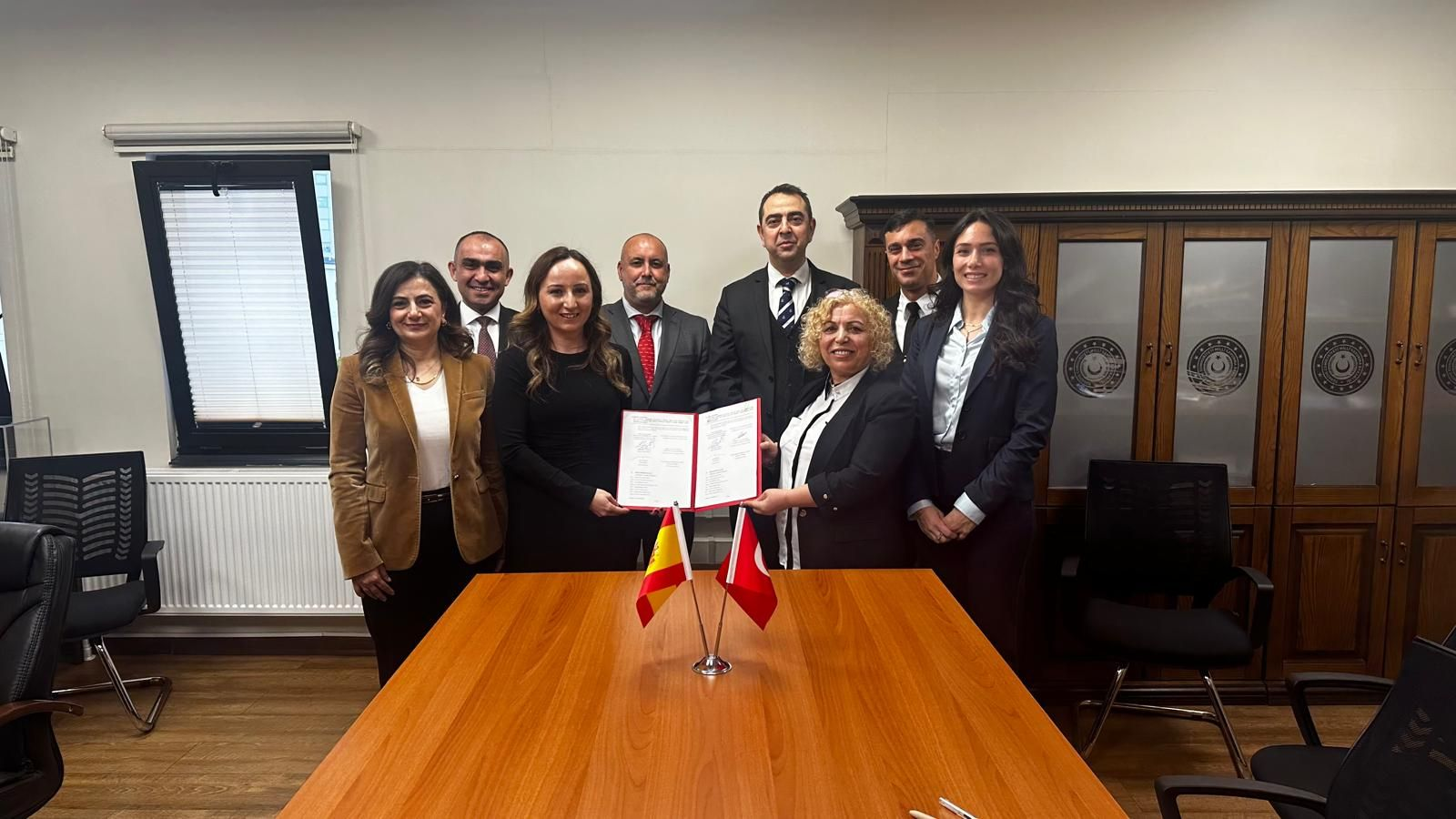
- Navantia has signed a new lifecycle-support framework for the Turkish Navy’s TCG Anadolu.
- The work covers maintenance, repair, technical support, documentation updates, and specialist training.
- The agreement underlines how export naval programmes now depend on long-tail sustainment as much as initial build.
Navantia has secured a new lifecycle-support agreement for the Turkish Navy’s amphibious ship TCG Anadolu, extending its role on the programme well beyond the original design and build phase. The framework runs for three years, with the option to extend for a further three, and covers maintenance and repair, on-site and remote technical support, technical-documentation updates, and specialist training.
That makes the agreement more than a routine service package. Anadolu was built at Sedef shipyards in Istanbul with engineering support and technology transfer from Navantia, and the original programme also included generator sets and an integrated platform management system supplied by the Spanish company. The new framework gives Navantia a longer hold on the vessel’s through-life support chain.
For naval industrial readers, that is where the value sits. Export warship programmes are increasingly judged not only by delivery, but by who remains embedded in maintenance, upgrades, spares, and systems support over the next decade. Sustainment determines recurring revenue, technical influence, and long-term control over configuration and availability.
Support work after ship delivery
Once a large amphibious platform enters service, the industrial picture shifts from launch milestones to reliability, repair scheduling, systems health, software baselines, and the availability of specialist staff who can resolve faults quickly. Platform builders either remain central to that process or cede ground to other support providers.
Navantia’s new framework keeps it close to the ship. The inclusion of both remote and on-site support is especially relevant on a complex vessel whose mechanical, electrical, and control systems sit across multiple industrial layers. Documentation updates and specialist training also point to a support model built around configuration control rather than ad hoc fixes.
Lifecycle support as naval production
These agreements show how shipbuilding revenue is evolving. Naval yards and systems houses increasingly sell not only a hull, but a long-duration package of support, obsolescence management, spares, and training. That helps smooth work beyond the delivery peak and gives operators a more structured route to long-term platform availability.
For Turkey, the arrangement supports continued operability. For Navantia, it reinforces an export model built around design support, technology transfer, systems integration, and a continuing sustainment relationship. In naval production terms, the ship does not leave the yard once. It keeps returning through its support chain.