
News
-
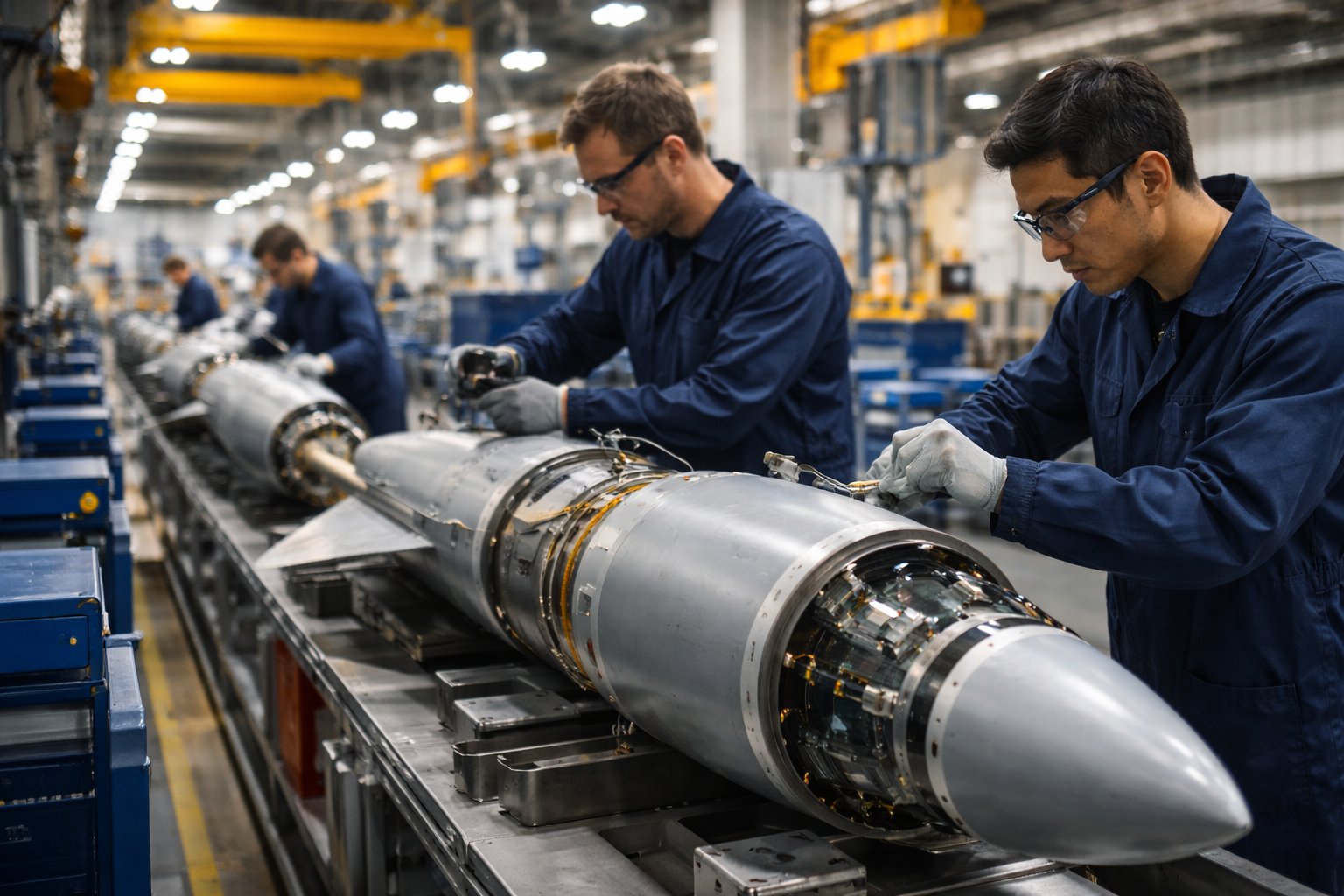
NNSA has cleared a B61-13 production marker ahead of schedule. Certification work at Y-12 highlights throughput inside the US nuclear weapons enterprise.
-
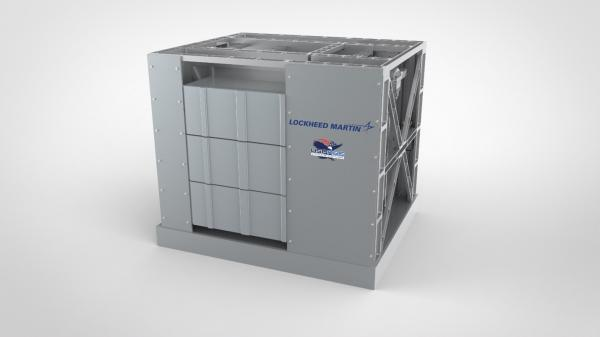
JLWS will push high-energy lasers toward deployable air defence systems. The US programme is scaling containerised weapons toward the 300–500 kW class.
-
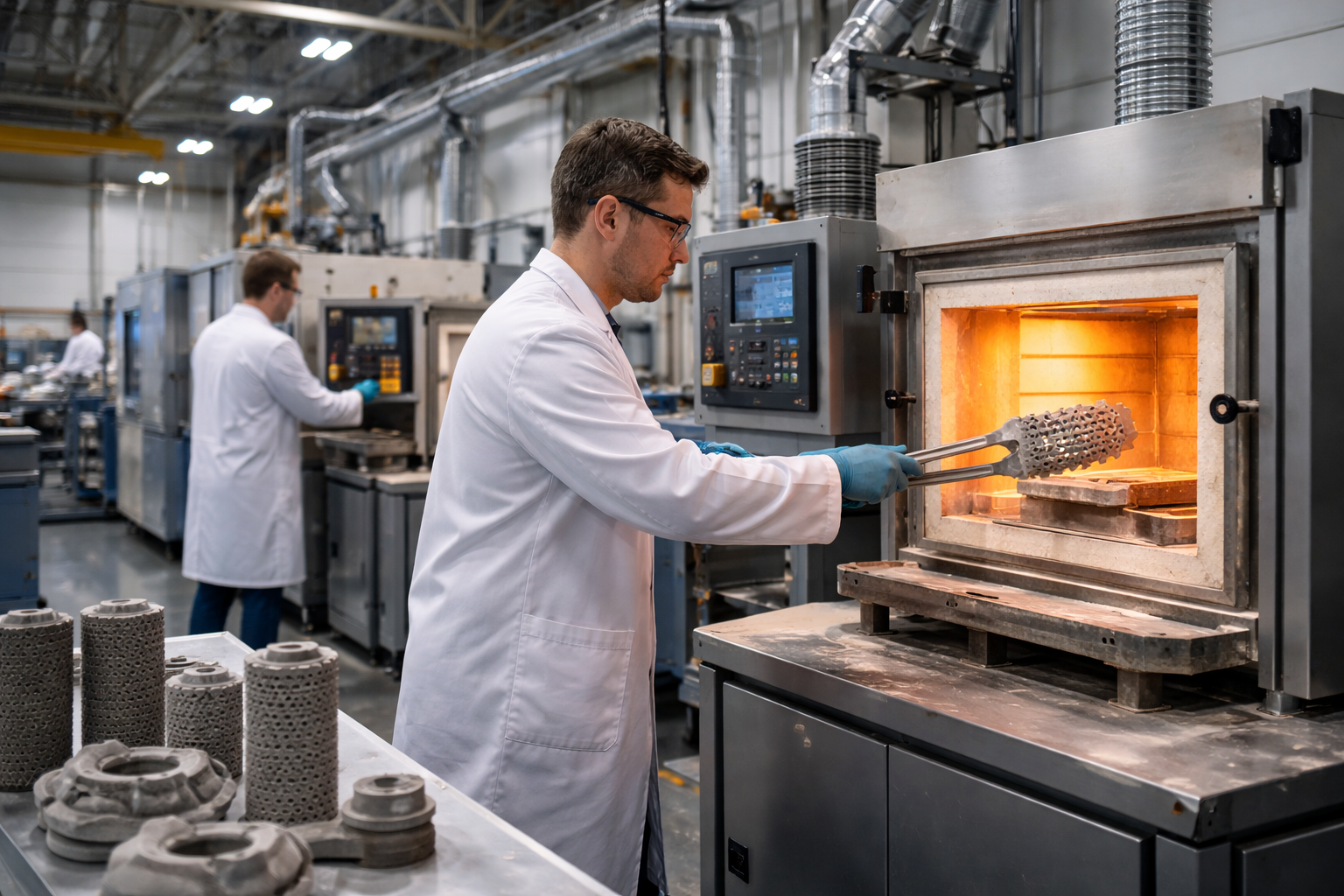
ISL has moved European railgun research into open-range validation testing. The French-German institute has shifted electromagnetic launch work beyond laboratory firing.
-
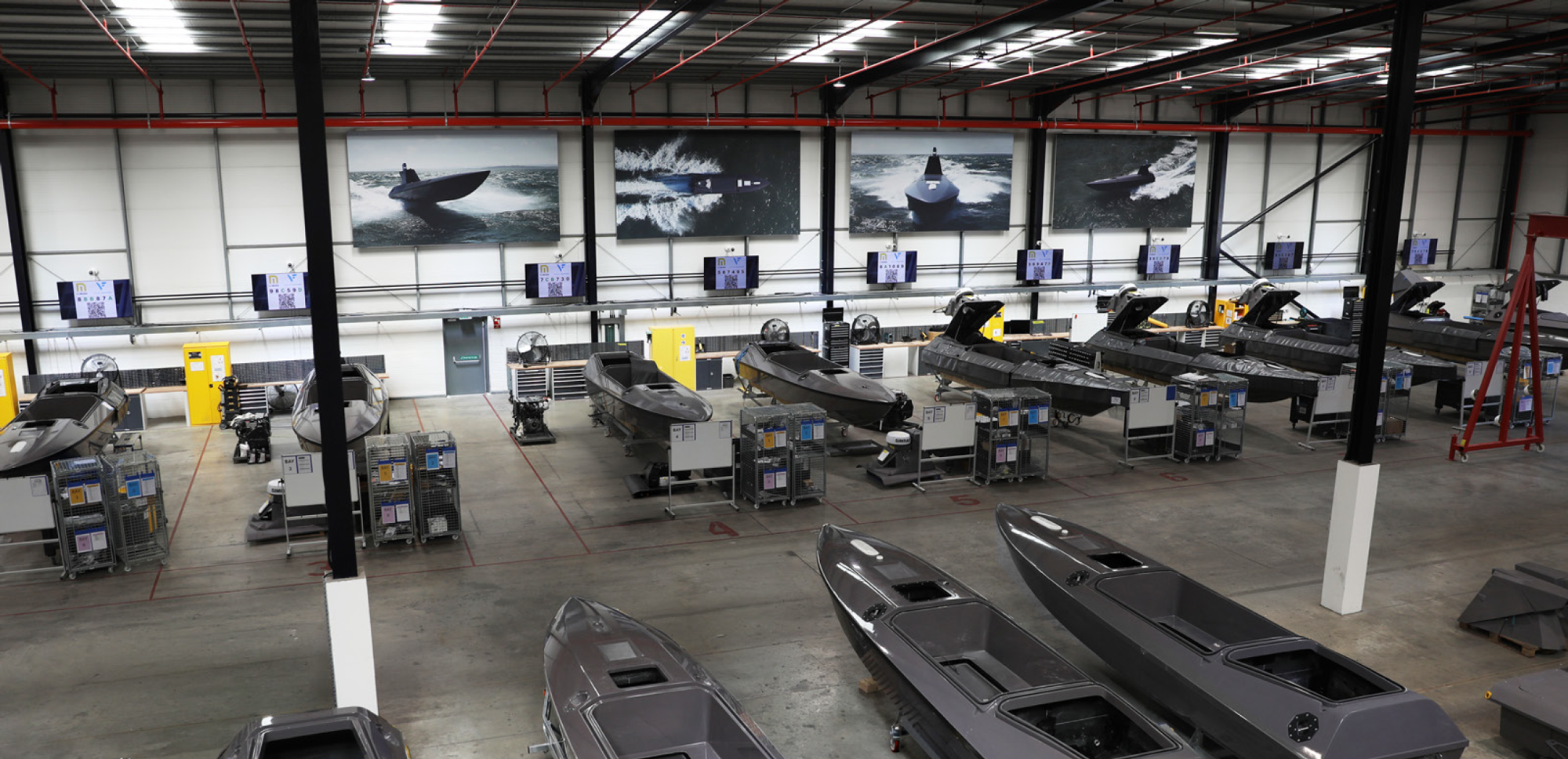
Kraken’s funding round pushes maritime autonomy toward industrial scale production. USV development, payloads, and local manufacturing are now its central growth priorities.
-
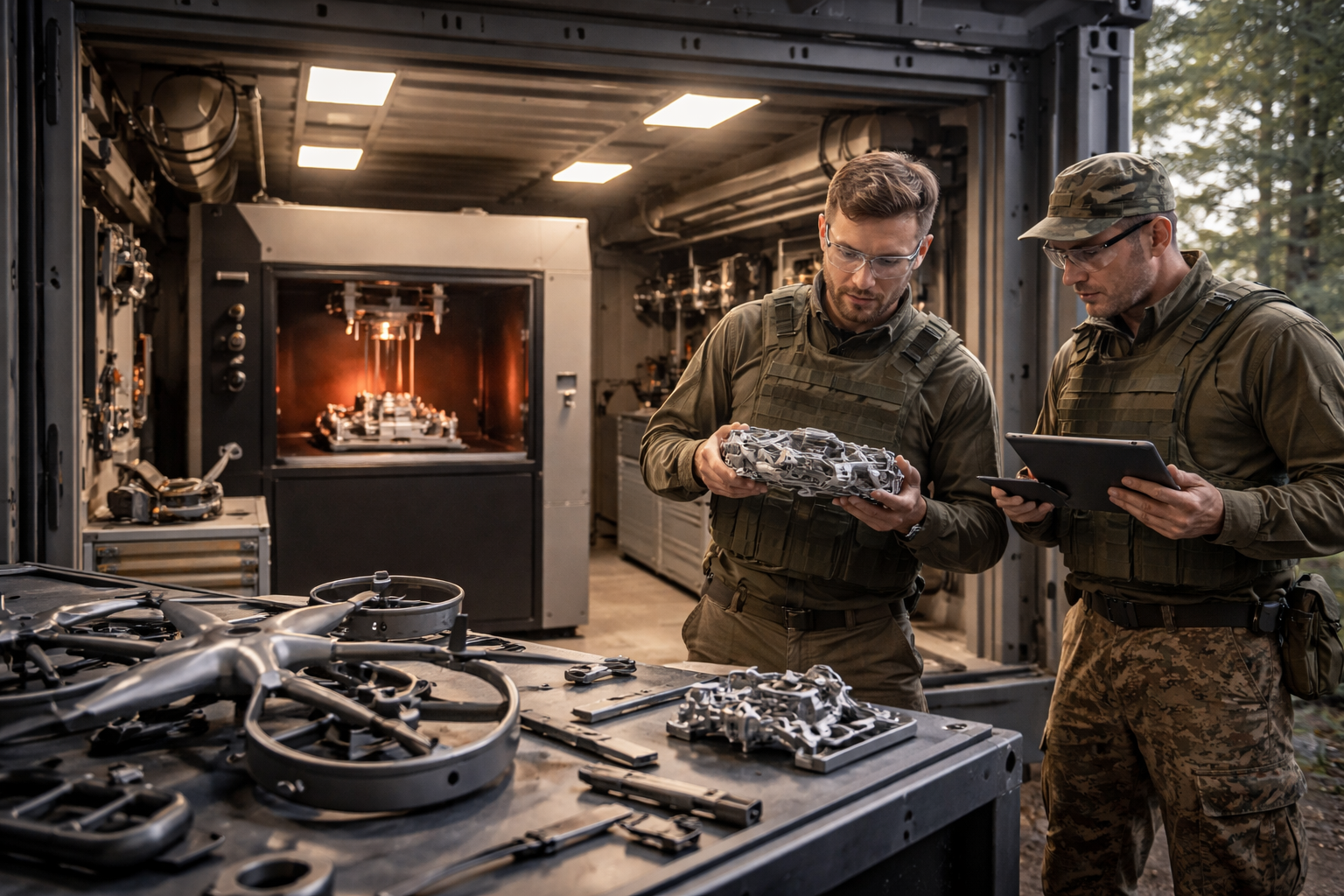
Trinity Robotics is scaling production of its Konyk ONE UGV. The Ukrainian platform is moving from frontline deployment toward higher-volume manufacture.
-

DEUTZ is buying FFG to expand into defence vehicle production. The deal combines propulsion, support, and military platform expertise inside a larger German group.
-
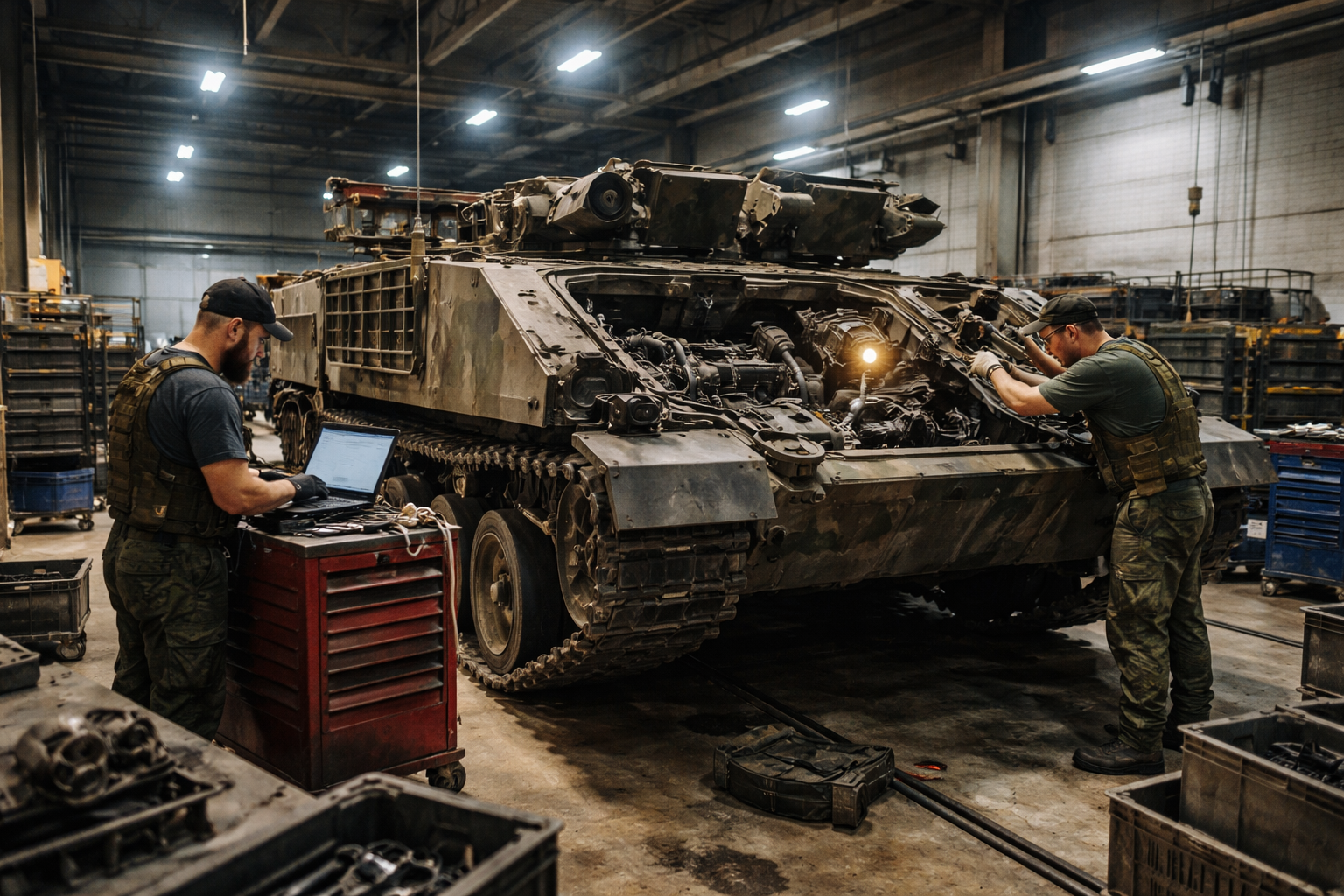
RENK will continue supplying propulsion systems for Rheinmetall’s Lynx programme. Transmissions and final drives are becoming critical constraints in European armoured vehicle output.
-
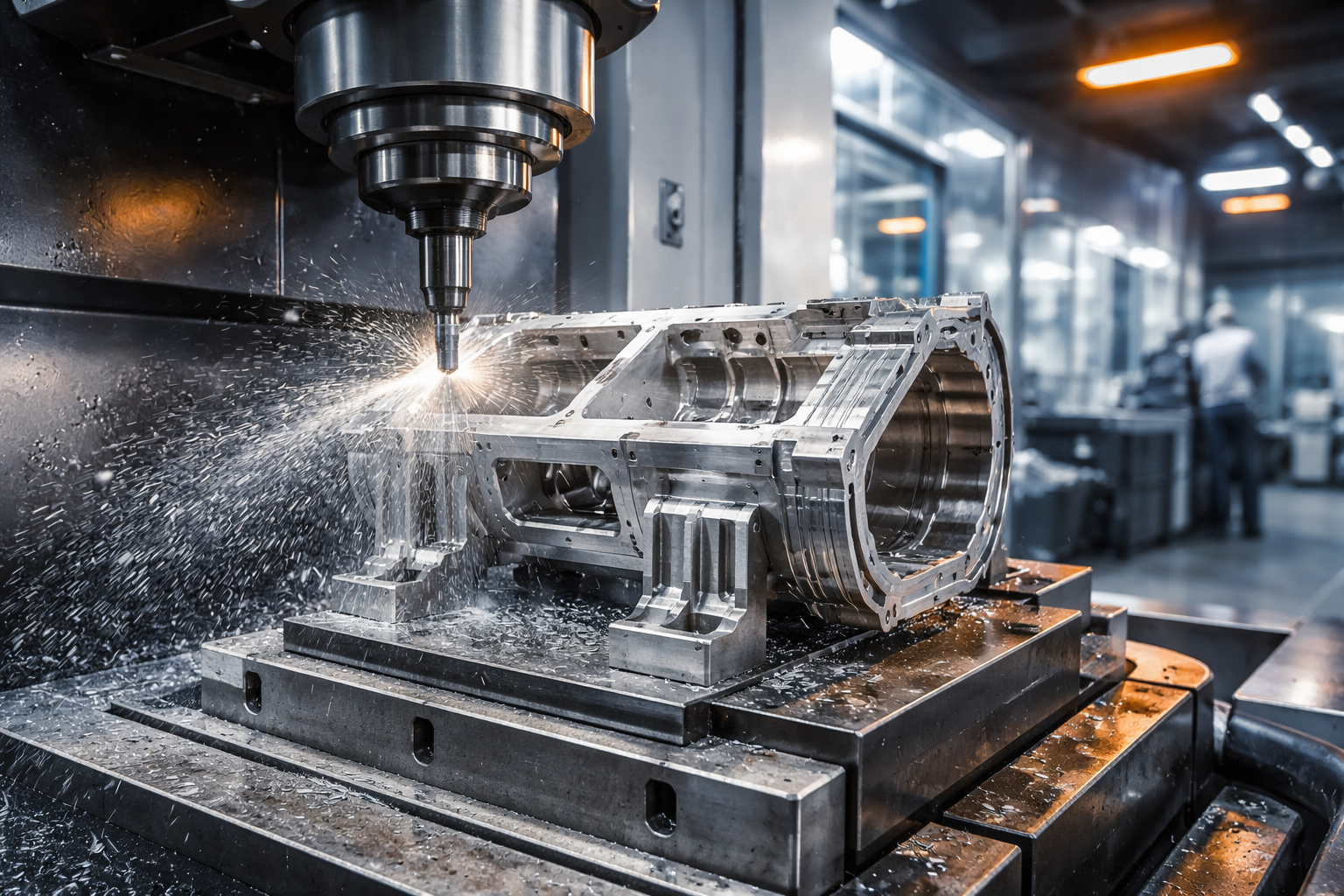
Honeywell is developing export-flexible defence technologies for European customers onshore. The work gives aerospace suppliers a clearer route around US re-export restrictions.
-
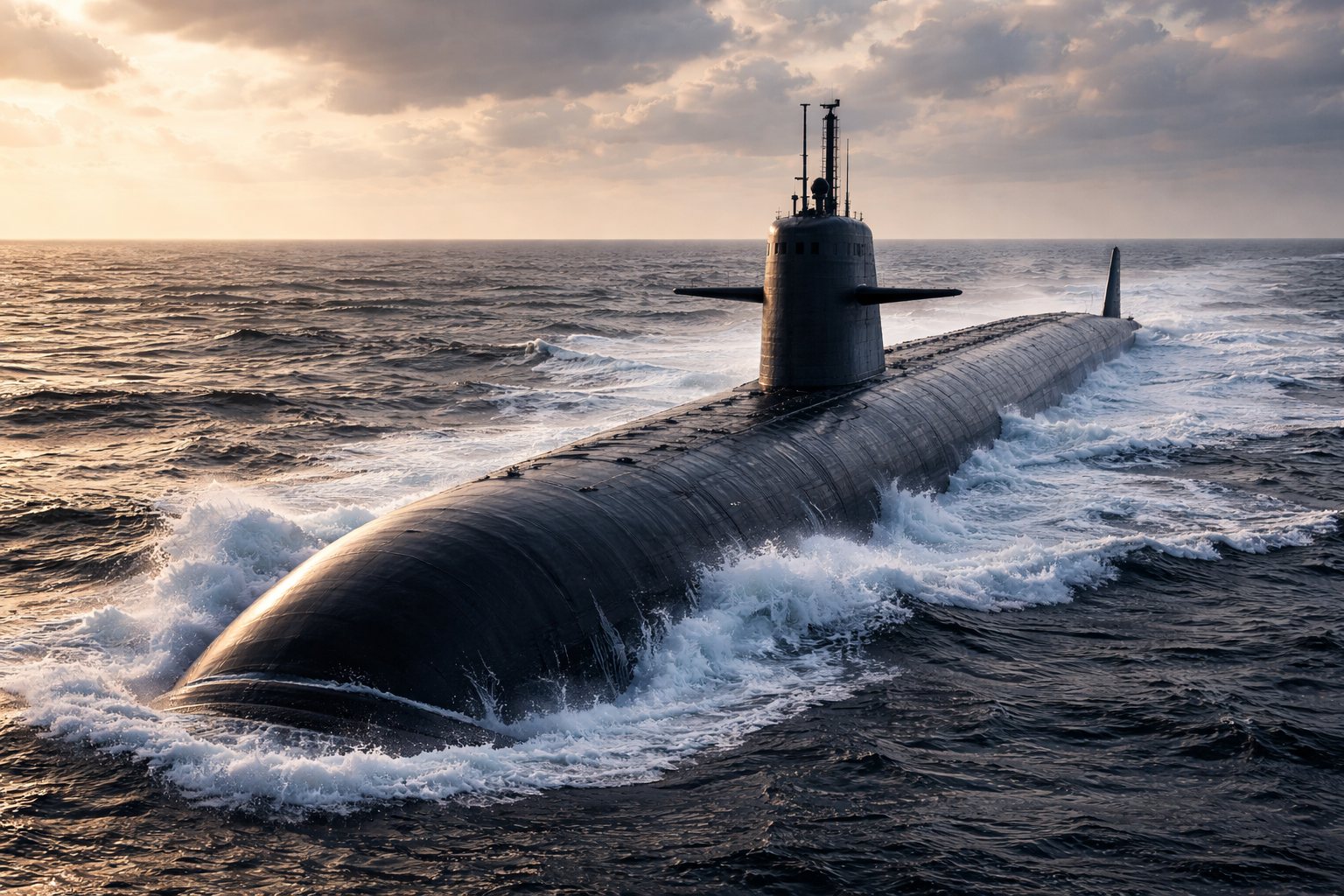
RIMPAC 2026 is moving undersea autonomy into submarine strike operations. UUV sensing and submarine-launched Harpoon fires are being tested in a distributed Pacific kill chain.
-
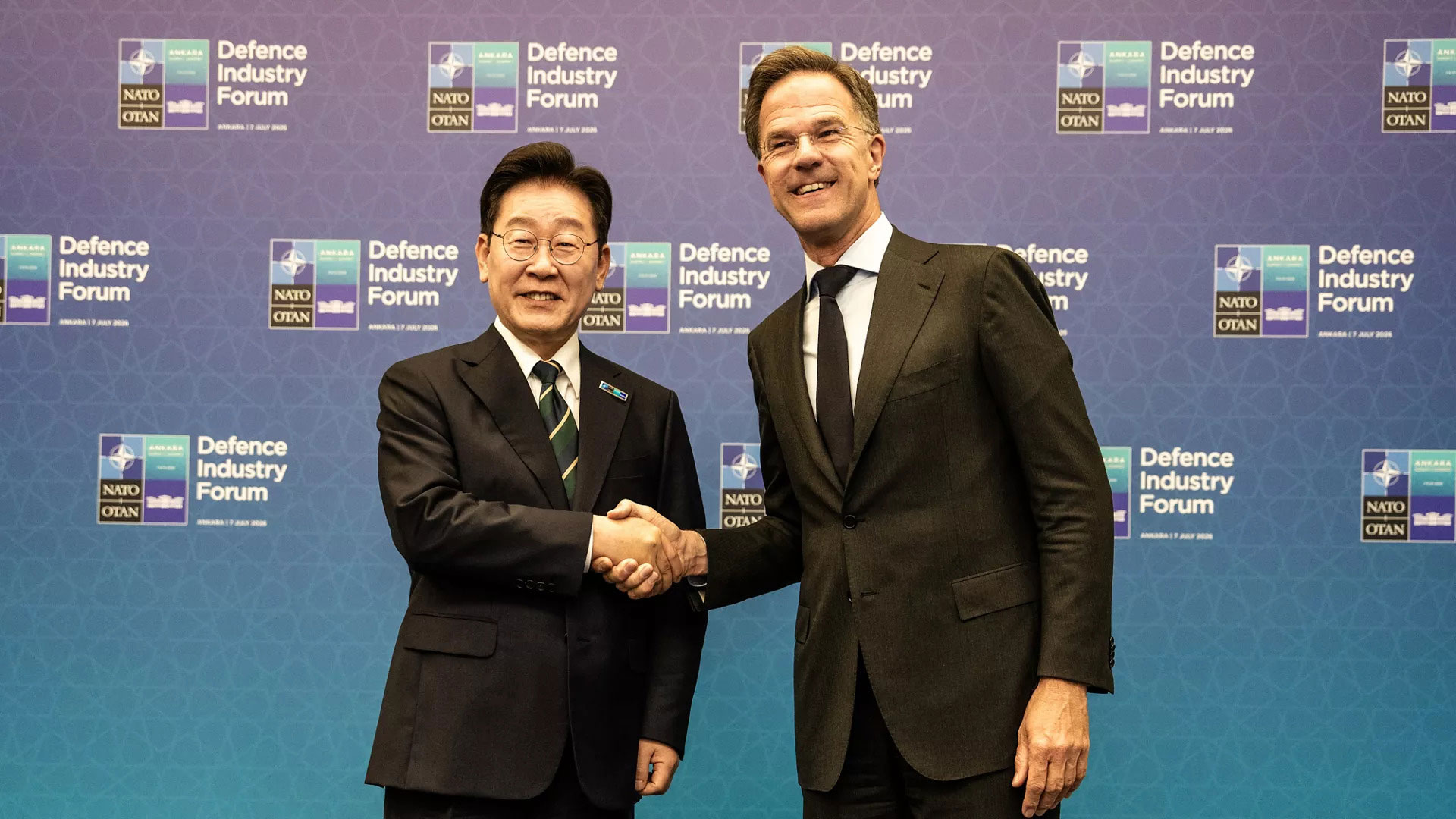
Hanwha is pitching South Korean production capacity into Europe’s rearmament. Localisation, technology transfer, and sustainment now sit at the centre of its NATO market strategy.