
News
-

Advanced Navigation has launched Chimera Land for satellite-denied vehicle navigation. The sensor targets armoured vehicles, autonomous systems, and resilient land-platform integration.
-
South Korea has moved UAV propulsion deeper into domestic production. The programme puts Hanwha Aerospace at the centre of future autonomous aircraft development.
-
Ondas’ DZYNE acquisition gives defence autonomy greater industrial mass quickly. Integration, production, and sustainment now determine the value.
-
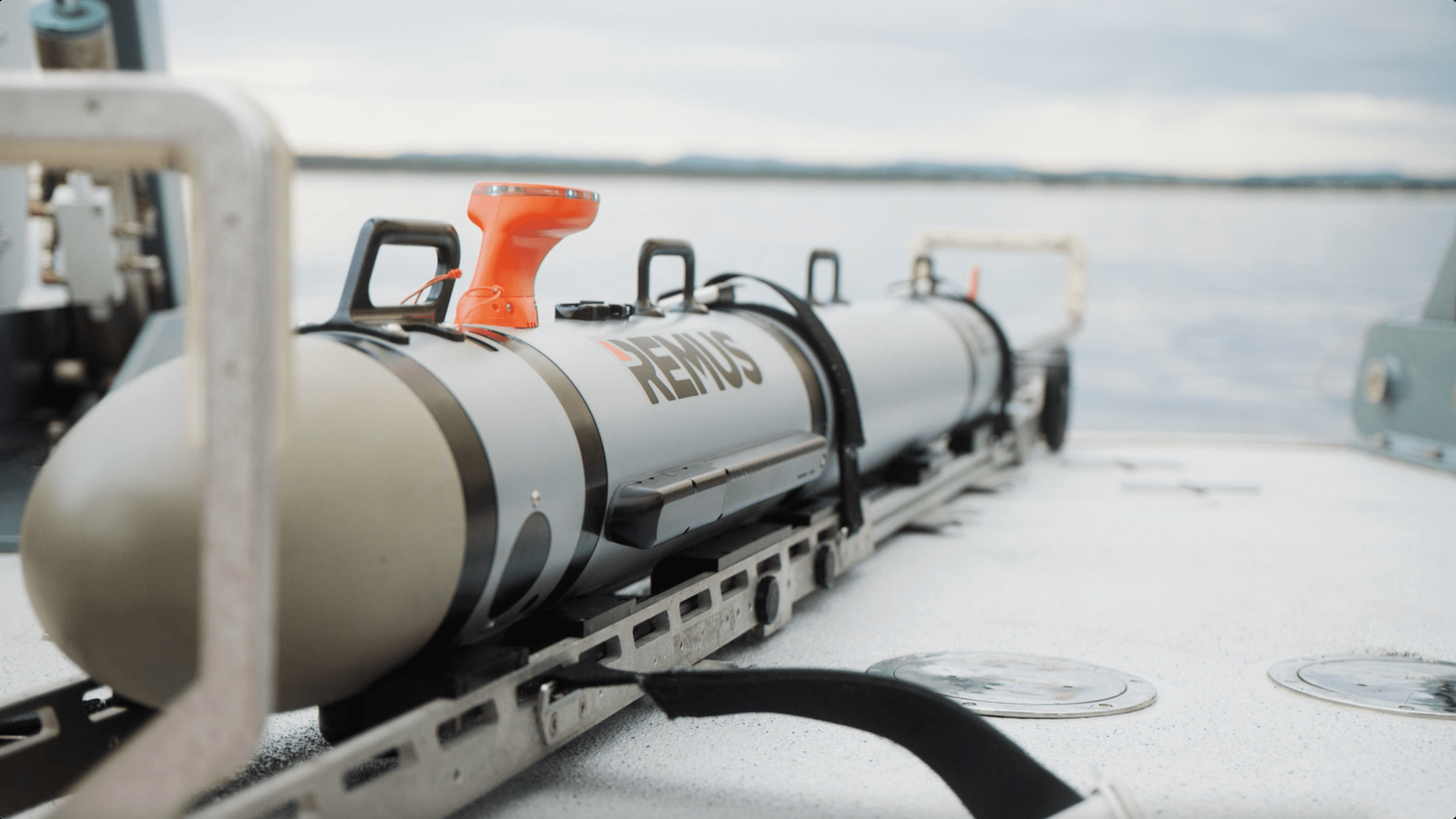
Lionfish pushes small UUVs further into Navy production planning now. HII’s contract option links autonomy to cyber, payloads, and sustainment.
-
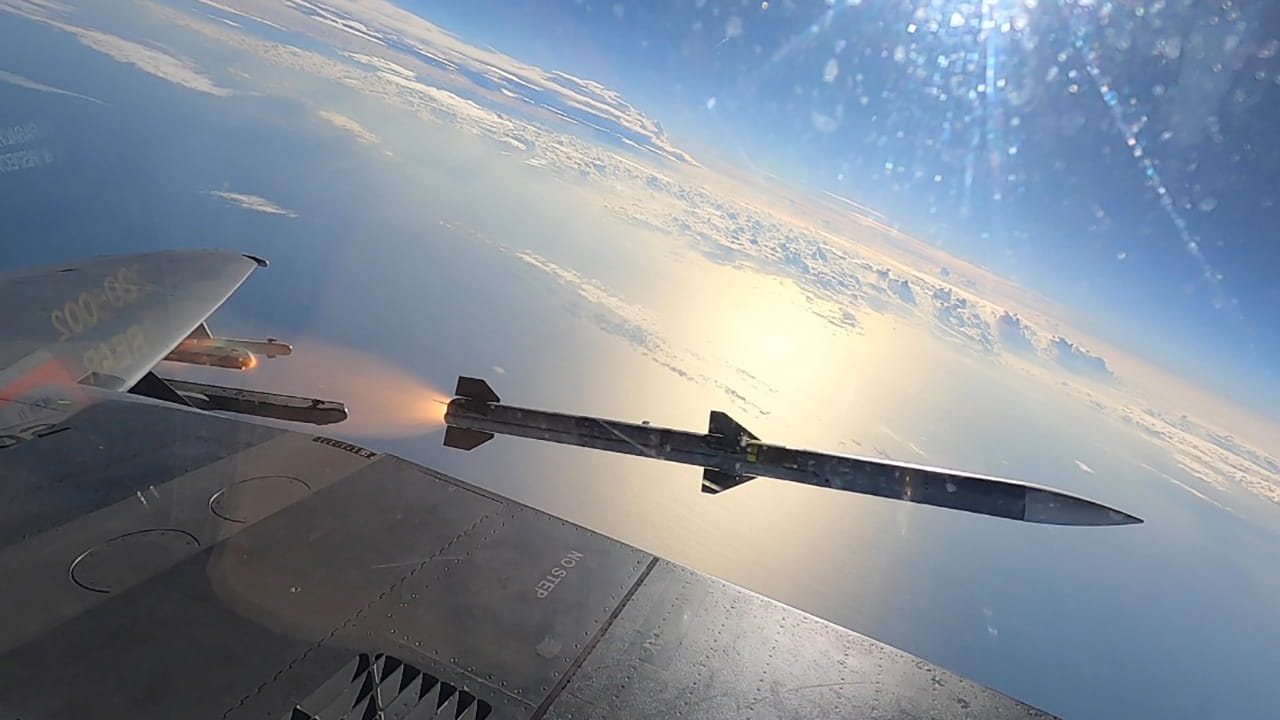
Europe’s air-defence bottleneck is shifting into components and repair capacity. AMRAAM suppliers and PAC-3 depots now carry strategic weight.
-
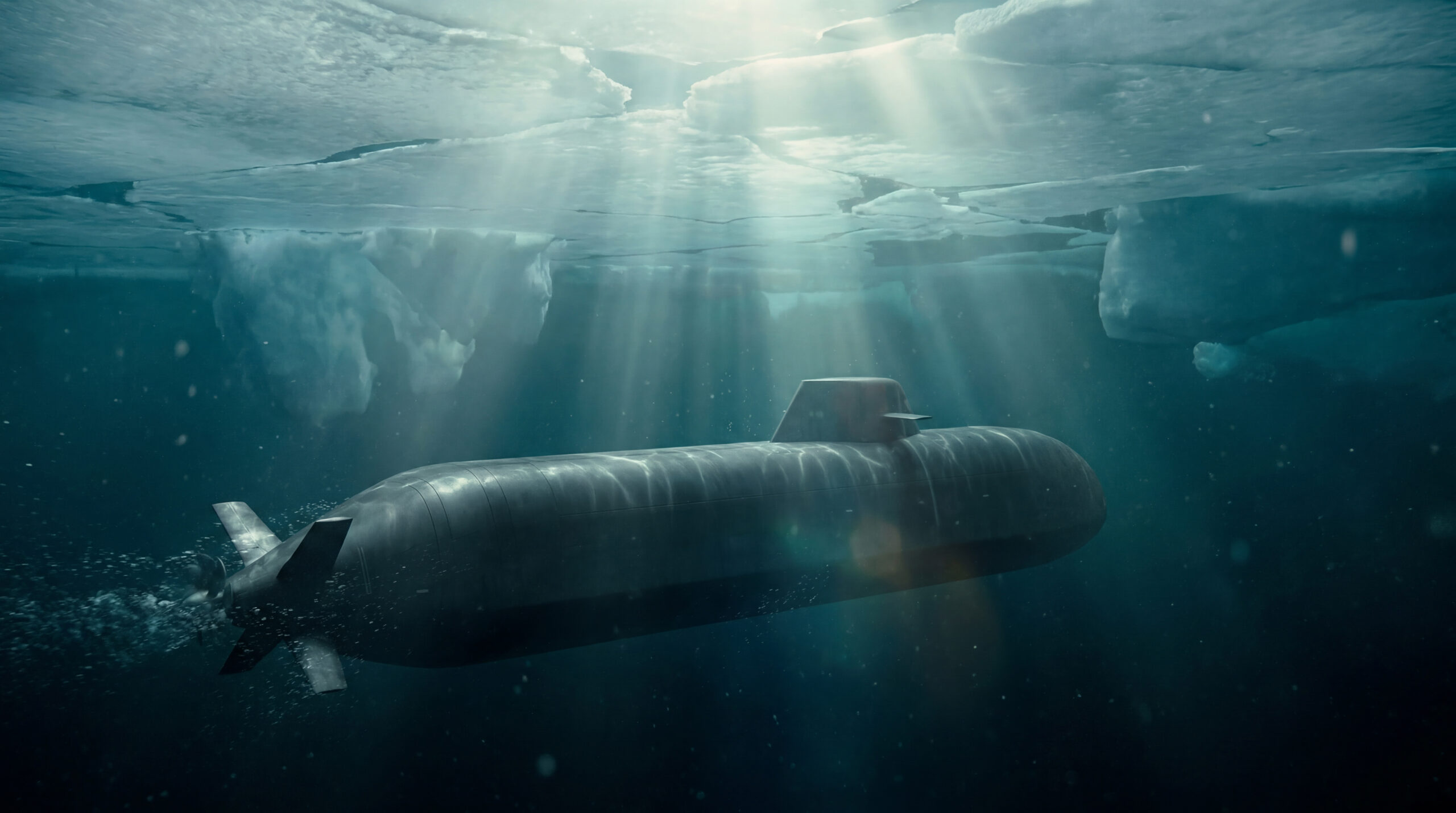
Canada’s submarine decision now shifts toward factories and sustainment capacity. TKMS must turn selection into Arctic undersea availability.
-
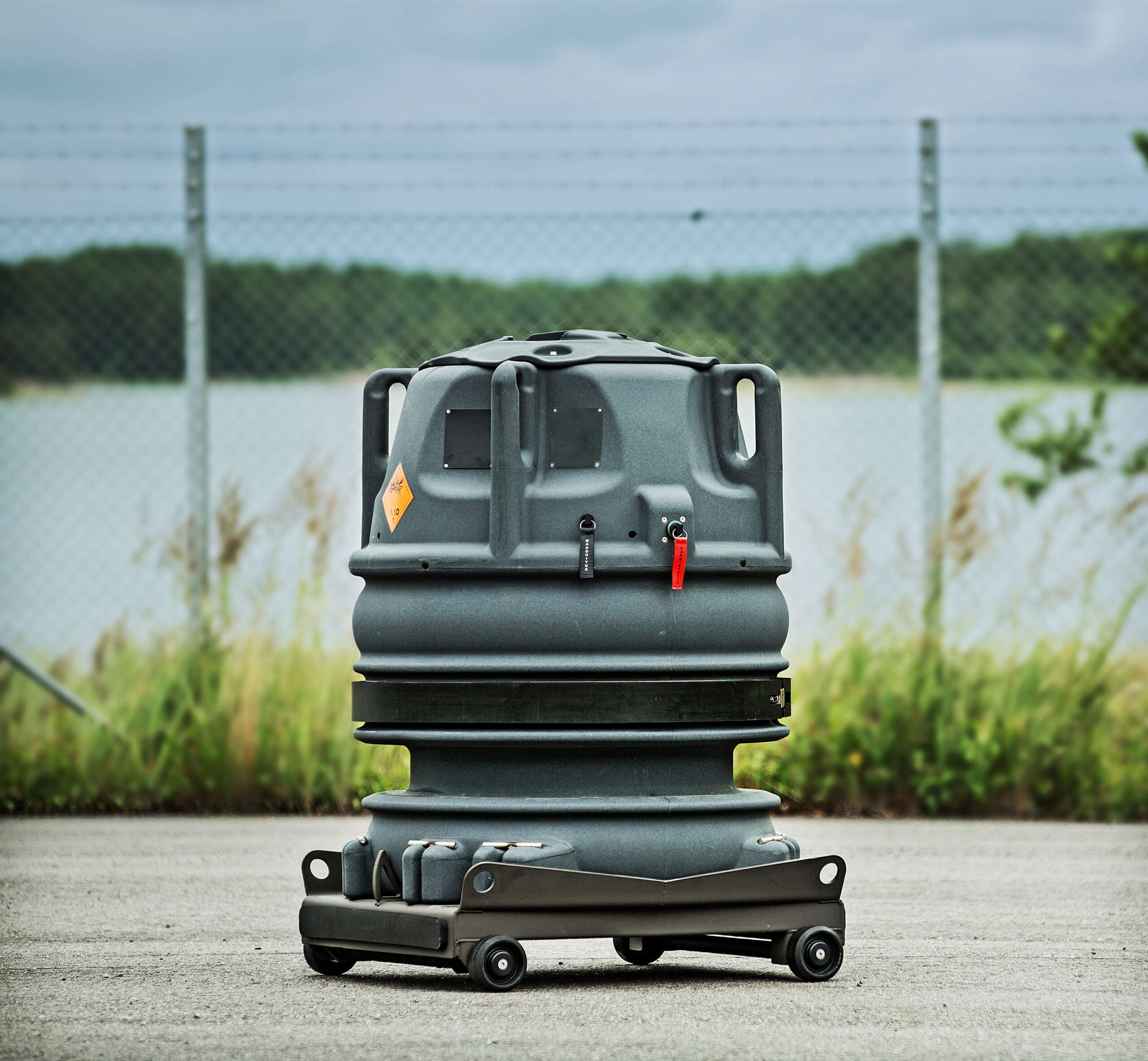
Forcit’s Blocker agreement puts naval mines back into production planning. Five NATO users are building a common seabed-denial route.
-
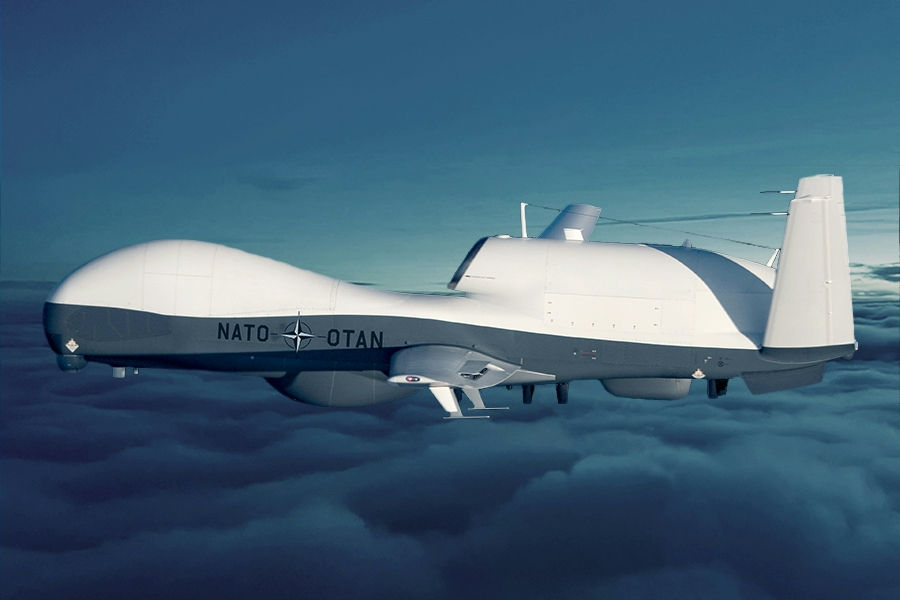
Triton gives NATO’s northern surveillance requirement a production backbone now. European partners must turn aircraft data into usable maritime intelligence.
-
NATO’s GlobalEye decision moves airborne surveillance into production planning now. Saab must deliver mission aircraft, not just a radar solution.
-
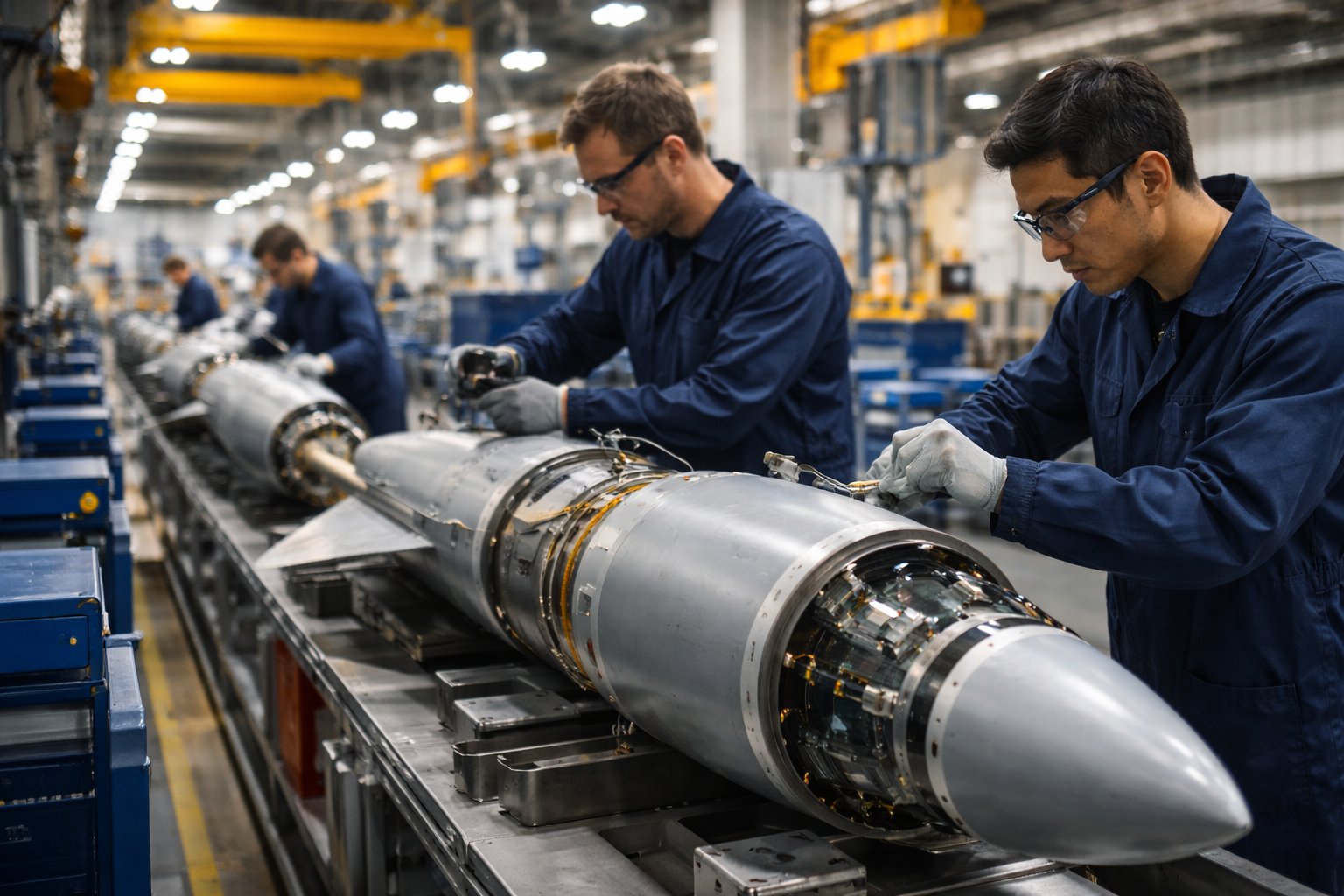
ATACMS production is moving closer to European launchers and stockpiles. Rheinmetall’s Unterlüss site gives NATO deep fires a manufacturing route.