
News
-

DDG 131’s christening exposes the workload behind Flight III production. Radar integration, workforce depth, and supplier timing will shape the line’s pace.
-
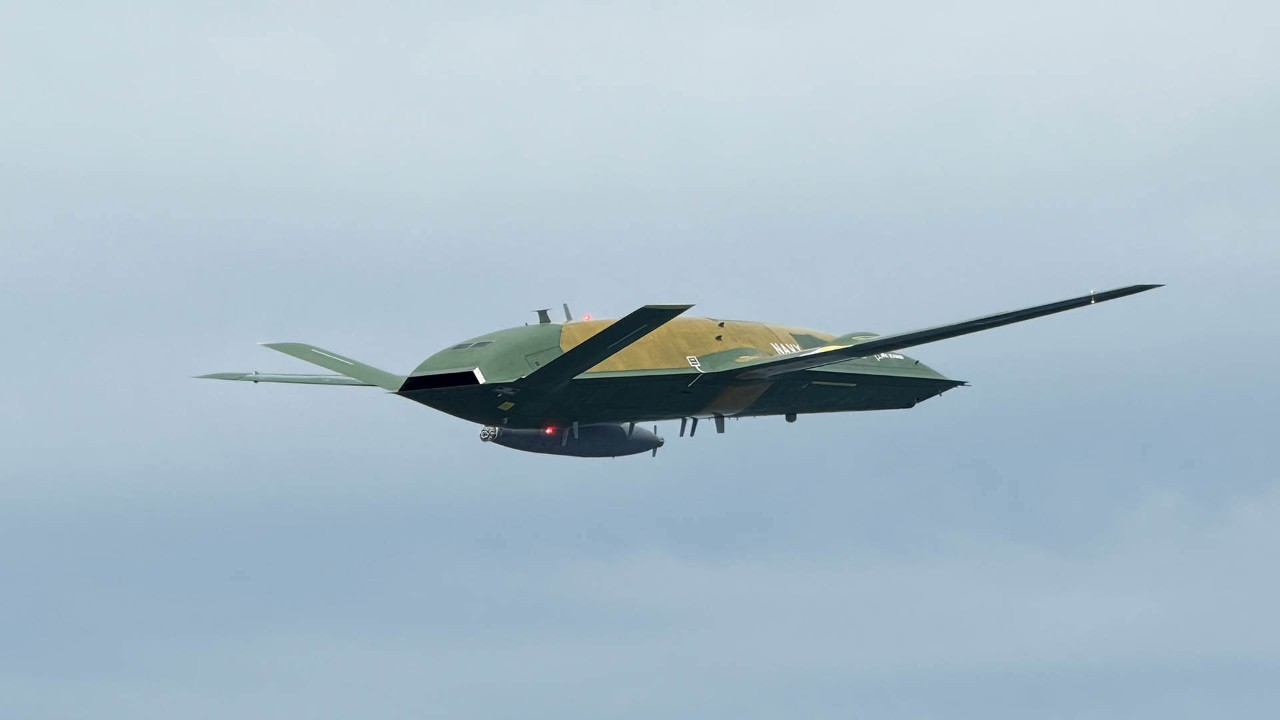
MQ-25’s second flight places software directly onto the production line. Landing-gear cycles and revised code now feed directly into carrier integration.
-

Pentagon post-quantum deadlines now reach deep into defence manufacturing systems. Long-life platforms, embedded hardware, factories, and supplier networks must migrate years before final deadlines.
-
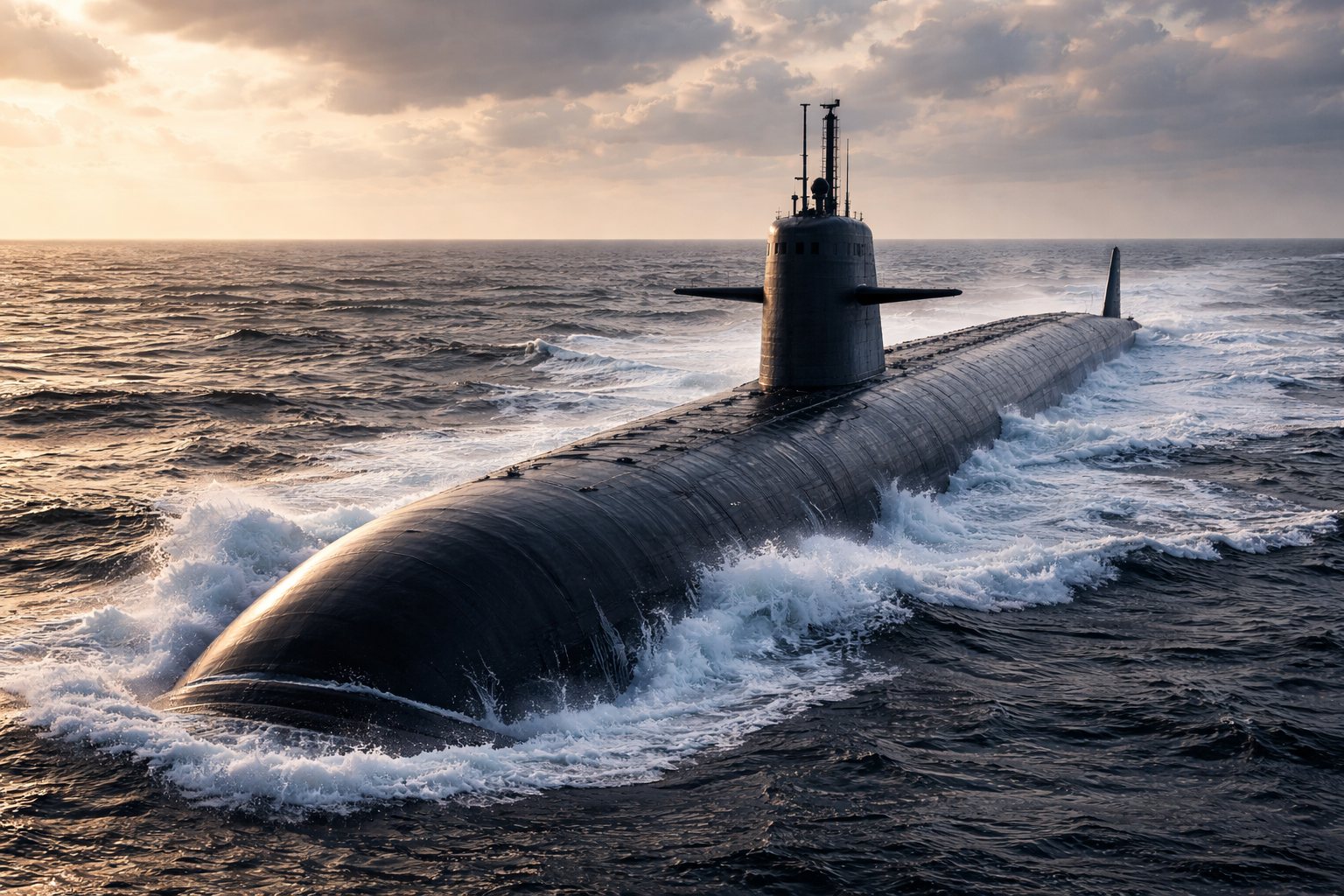
Lockheed’s Trident award sustains a uniquely specialised strategic weapons workforce. D5LE2 must modernise ageing technology while preserving confidence across American and British submarine fleets.
-

Europe’s proposed Space Act moves cybersecurity into satellite production cycles. Manufacturers and operators would face pre-launch testing, faster reporting, and stricter lifecycle assurance.
-

Prague’s first C-390 arrival deepens Europe’s expanding airlift manufacturing network. The fleet’s success now depends on component supply, training, maintenance, and common support.
-
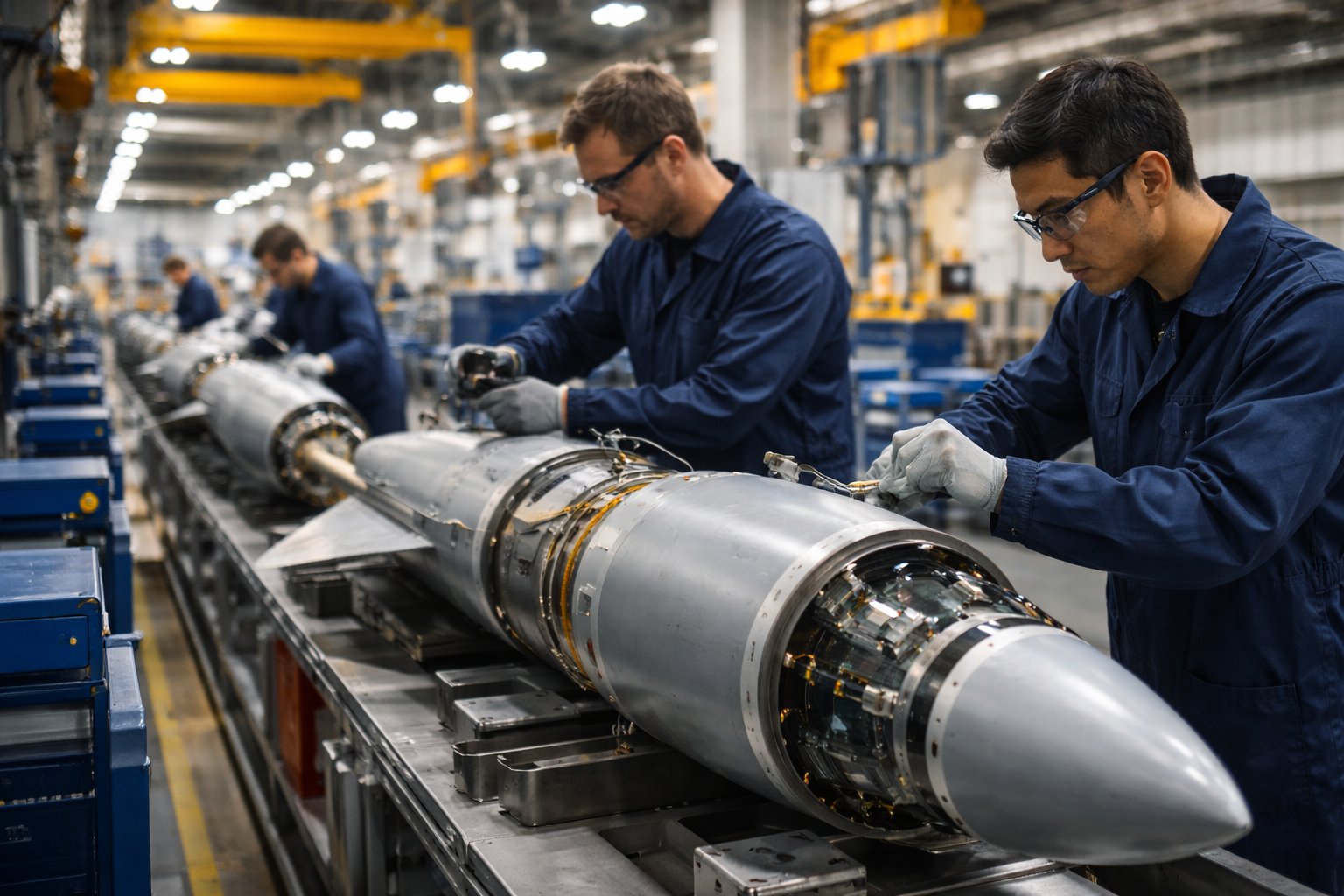
NATO’s Vulcano order shifts precision artillery towards pooled production planning. Deliveries from 2027 will test Europe’s ability to scale guided ammunition without weakening conventional shell output.
-

Germany’s naval laser programme now faces its hardest production phase. The 2029 service target demands repeatable optics, power, cooling, tracking, and maritime integration.
-

Britain’s £2bn Omnia contract turns training into digital systems integration. Its 15-year delivery model joins live exercises, synthetic environments, AI, analytics, and hardware support.
-
MRIC’s Guam intercept advances America’s missing expeditionary air-defence layer capability. Launcher mobility, sensor integration, interceptor supply, and Pacific sustainment will govern fielding.