
News
-
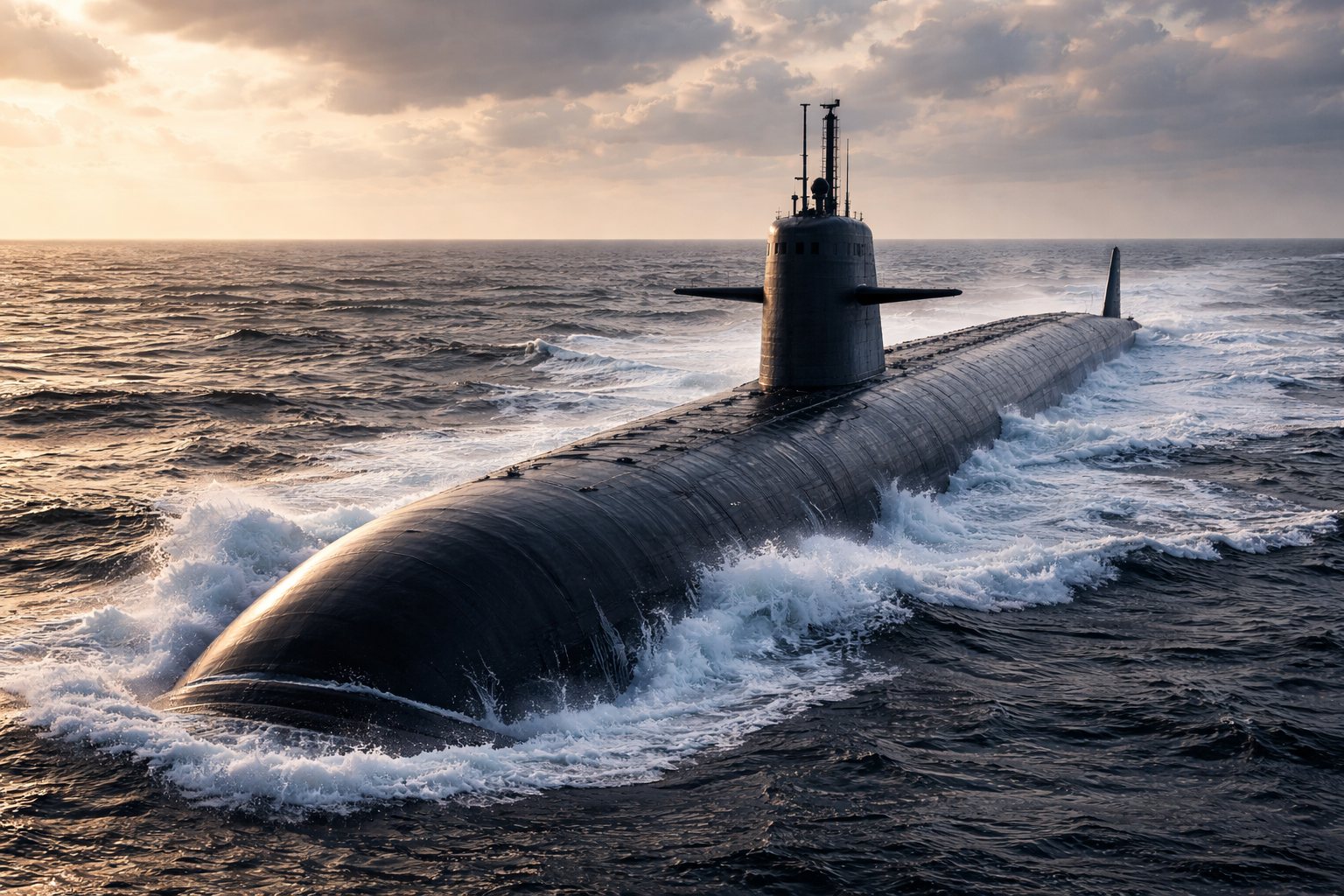
Rolls-Royce has started major Raynesway expansion work in Derby today. The project will add manufacturing capacity, create skilled roles, and support nuclear reactor production for Royal Navy and future Australian submarine programmes.
-
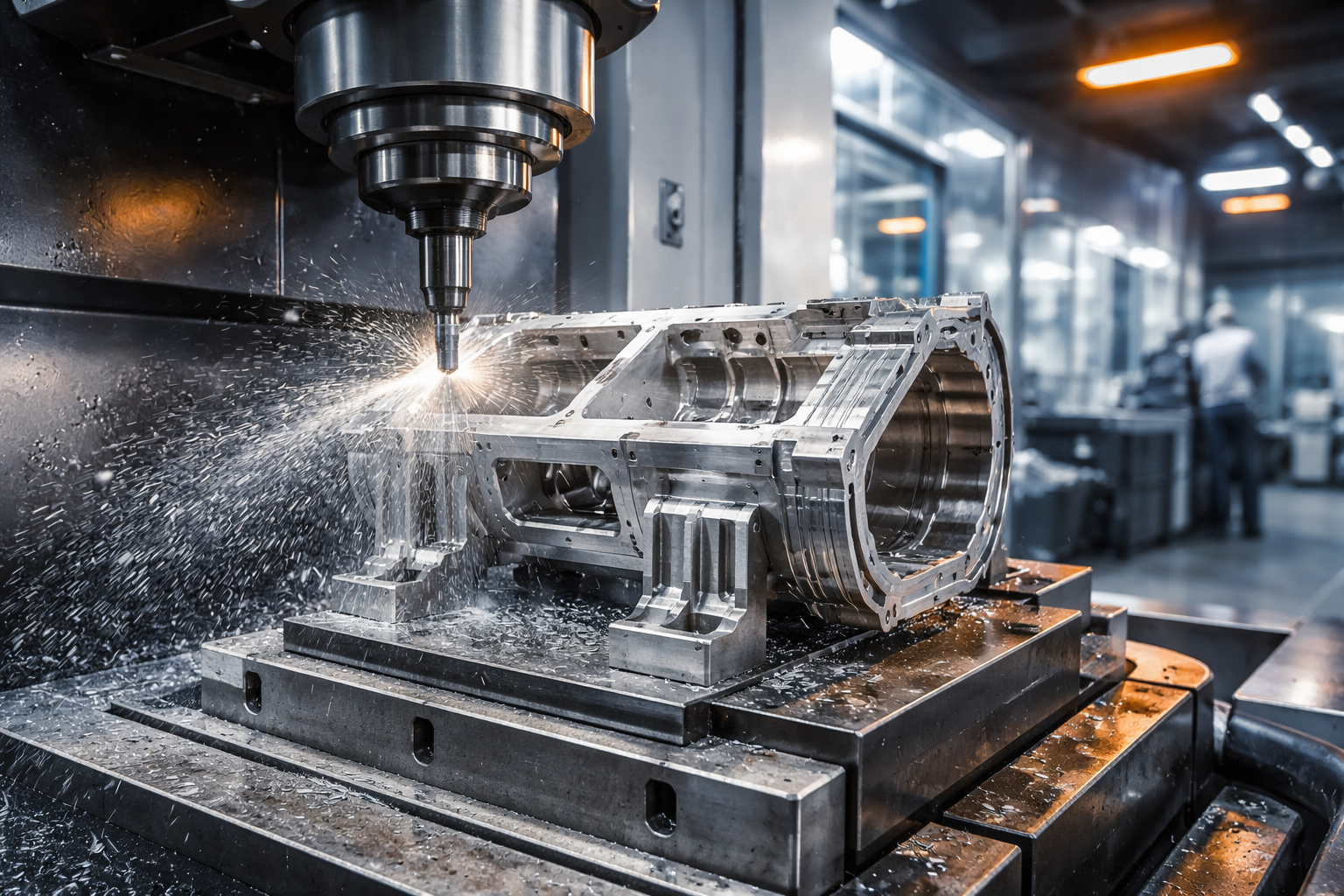
GCAP has entered its next major engineering phase under contract. The £4.6bn Edgewing contract will sharpen aircraft definition, testing, digital engineering, manufacturing readiness, and supply-chain structures for the UK, Japan, and Italy’s sixth-generation fighter.
-
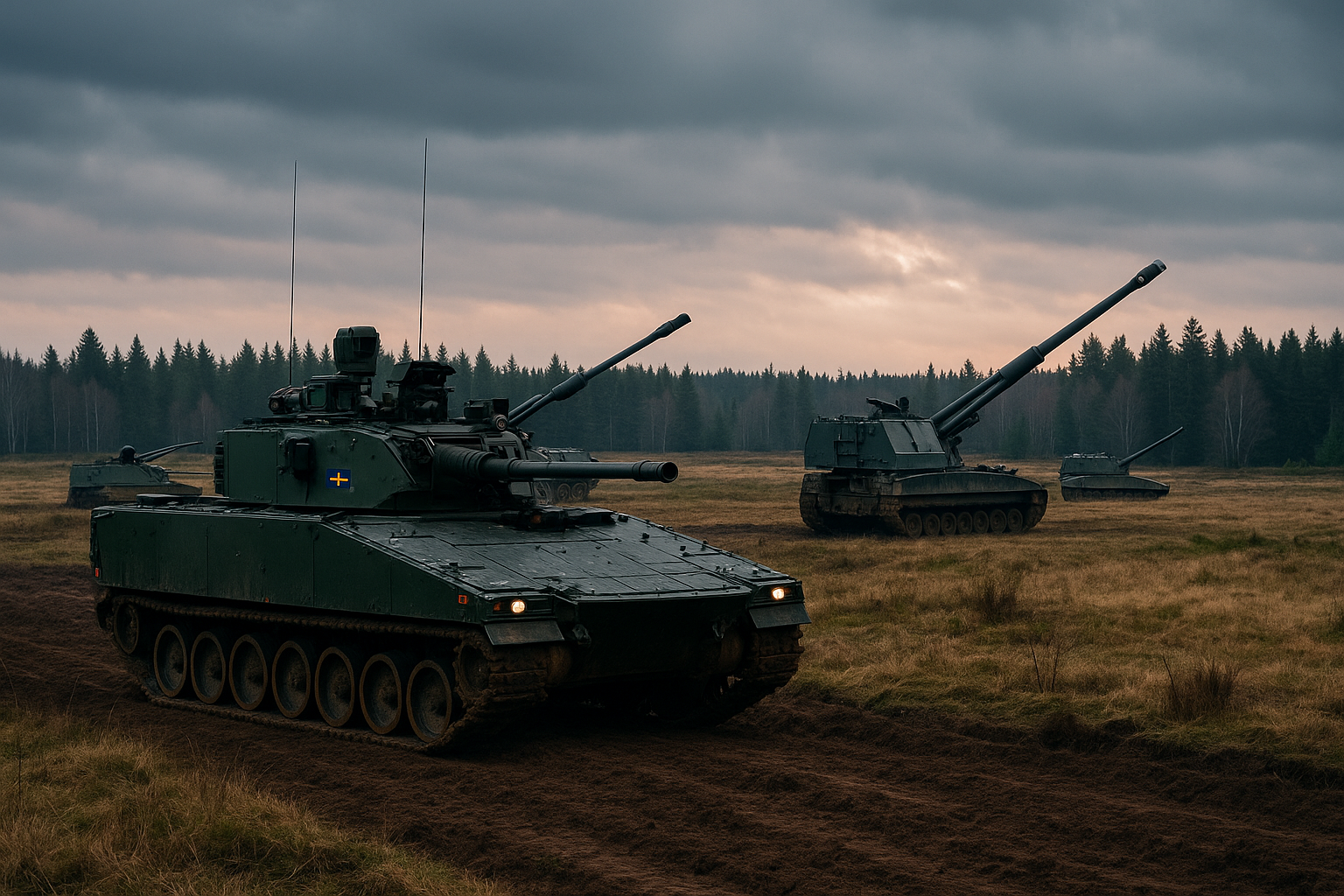
Poland’s first customised K9PL howitzers have left South Korea today. The shipment moves the programme beyond urgent artillery replenishment and into a fleet-integration phase shaped by Polish command, communications, protection, and sustainment requirements.
-
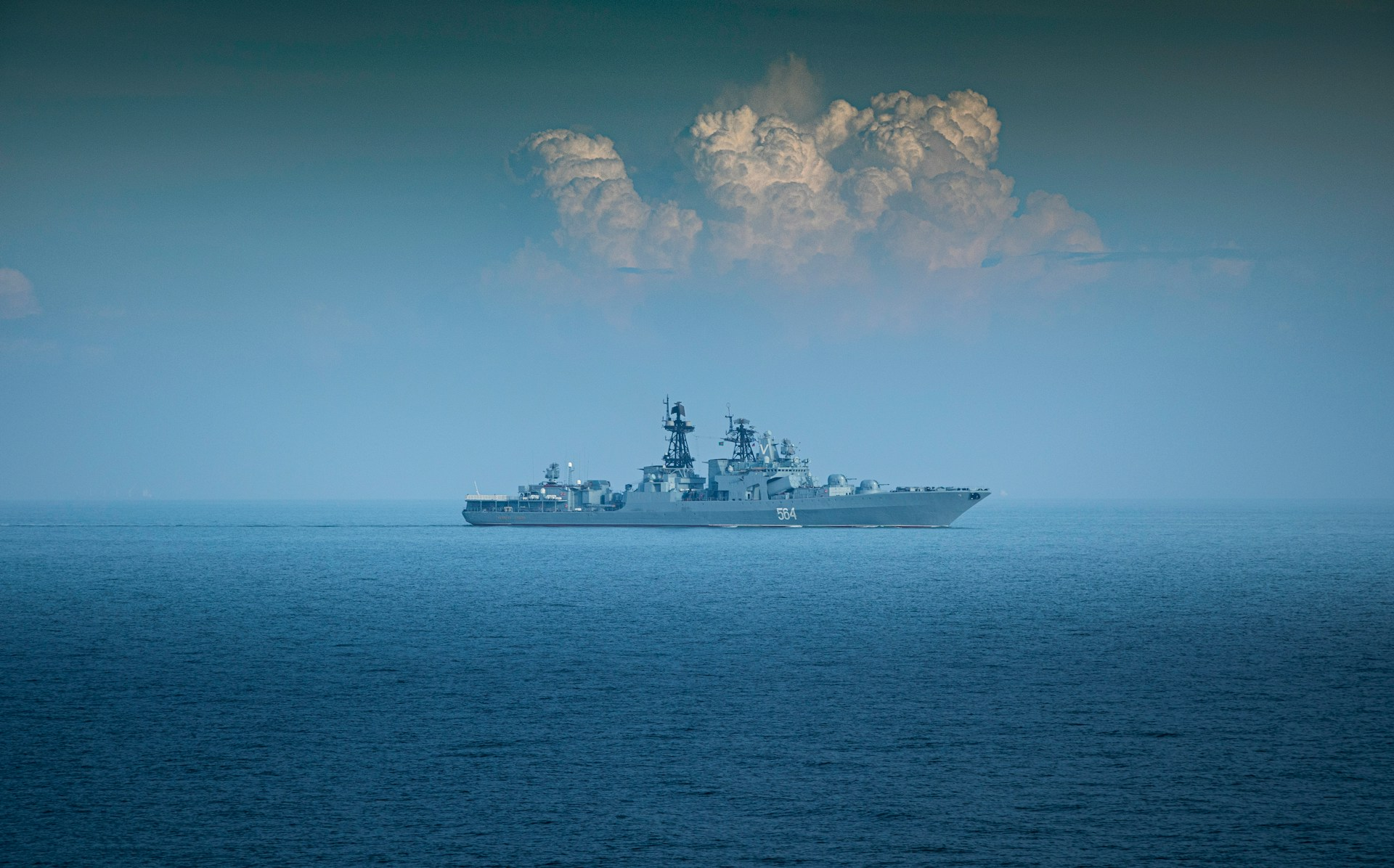
China’s Fujian appears to carry a hard-kill torpedo-defence system onboard. The reported fit points to a more mature carrier architecture, where underwater protection, ship integration, and defensive systems engineering sit alongside launch performance and aviation capacity.
-

Pacific Defense will develop the Army’s Block 2 APNT card. The SOSA and CMOSS-aligned 3U VPX design supports resilient navigation and timing when GPS is degraded, disrupted, or denied.
-

F-35 sustainment is now a sharper industrial capacity problem worldwide. Mission capable rates have declined since 2021, while the programme’s readiness plan depends on additional parts, supplier capacity, and better-aligned contractor incentives.
-
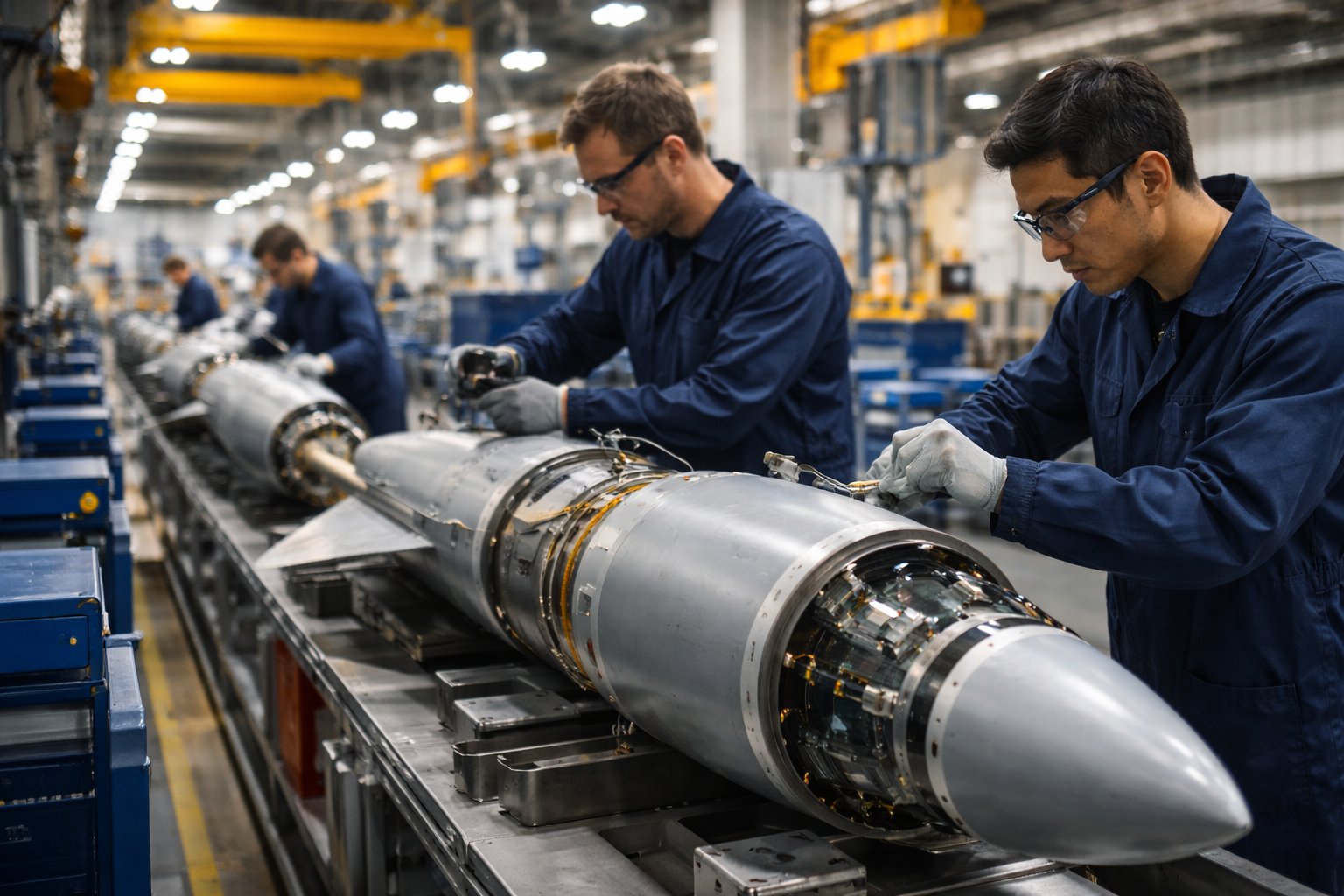
AEVEX has secured US Air Force backing for strike drones. The $50m award advances production of a long-range platform built for contested, GPS-denied environments and rapid payload reconfiguration.
-

Xiphera will develop high-speed security IP for ESA satellite links. The project targets secure optical satellite links of up to 100Gbit/s, tying space communications resilience to hardware-based cryptography.
-
Kongsberg has secured overseas work protecting critical infrastructure below water. The project focuses on underwater surveillance and protection, linking naval sensors, cyber-physical resilience, subsea monitoring, and time-critical decision support.
-
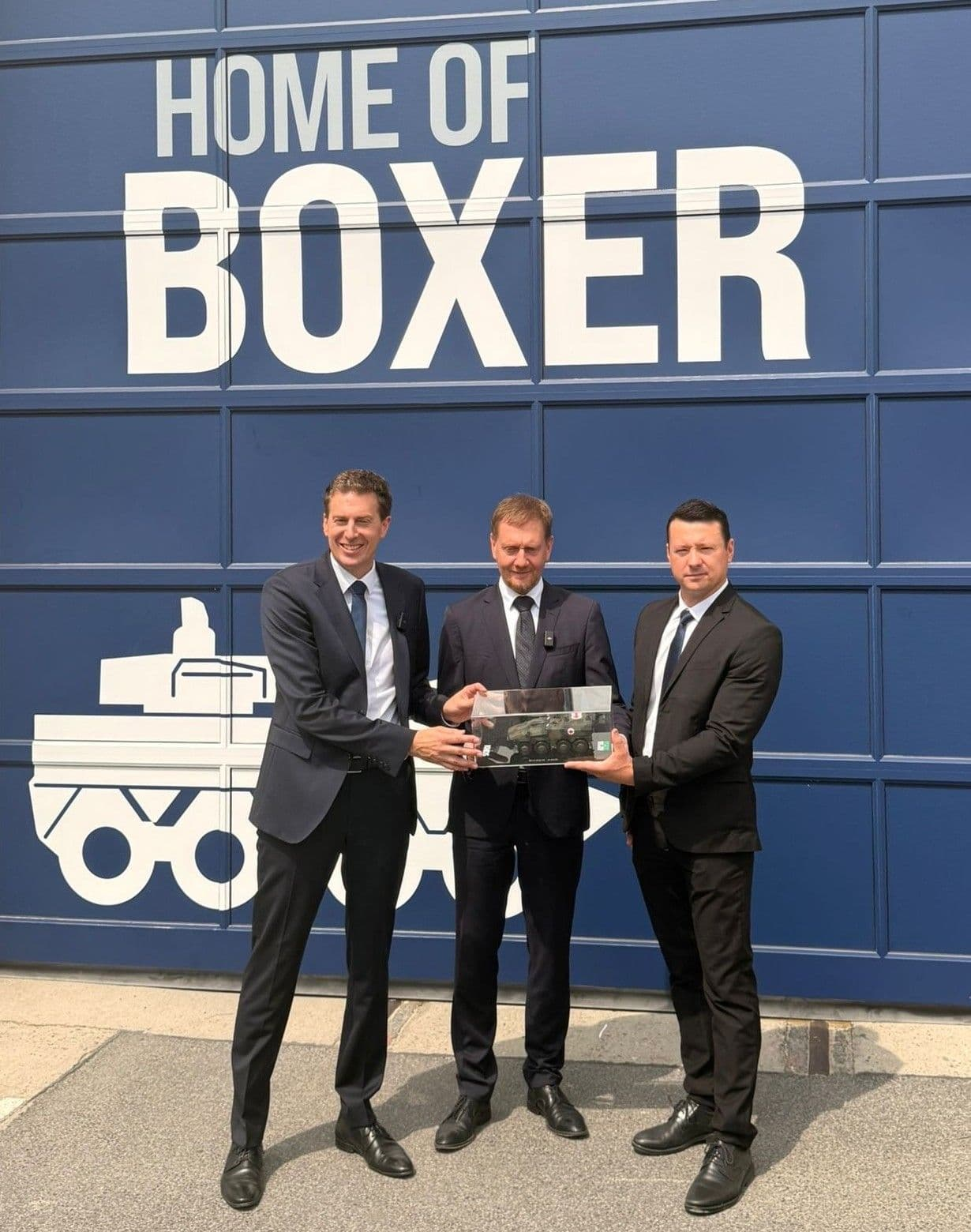
KNDS has now converted Görlitz into a defence manufacturing site. The former Alstom rail plant adds capacity for armoured vehicle systems as Europe works to rebuild land-systems output.