
News
-
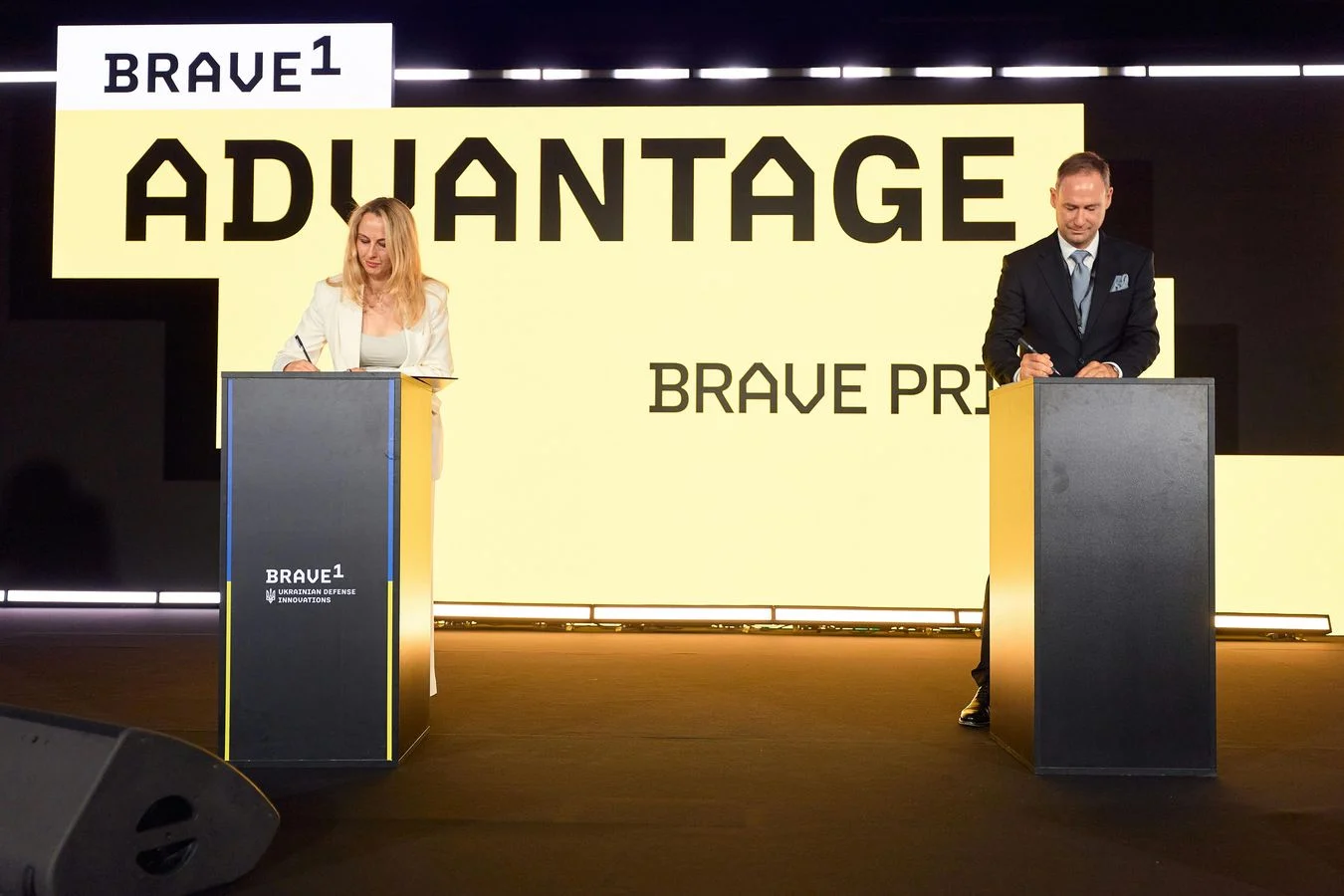
Airbus has entered Ukraine’s defence innovation ecosystem directly through Brave1. The partnership links European aerospace expertise with combat-tested technology development, including joint task forces and frontline co-testing through Test in Ukraine.
-
Britain is reshaping rotary-wing capability under mounting fleet pressure today. Older Chinook Mk6A helicopters will retire as maintenance milestones arrive, while future lift, autonomy, and new medium helicopters compete for funding and industrial attention.
-
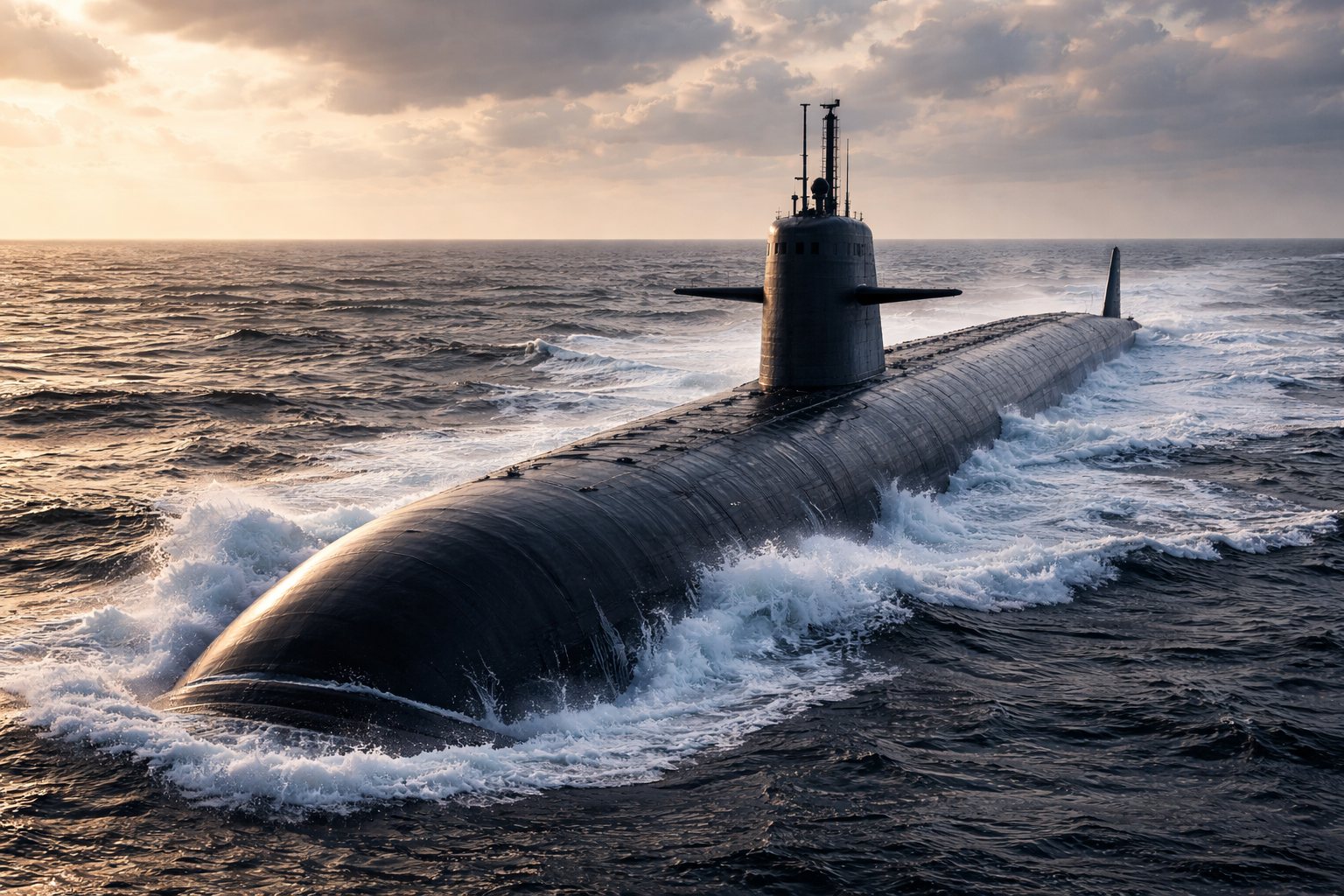
Australia is turning autonomous undersea systems into defence export policy. Ghost Shark’s inclusion among priority capabilities places XLAUV production, sovereign supply chains, export finance, and allied undersea demand inside one industrial programme.
-
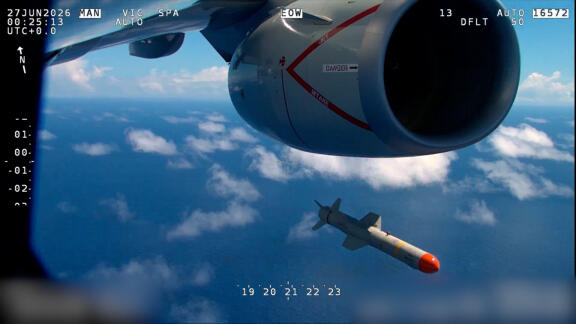
New Zealand has added surface strike to its Poseidon fleet. The first RNZAF Harpoon firing links maritime patrol, weapons integration, allied stockpile support, and Indo-Pacific sustainment into one aircraft availability challenge.
-
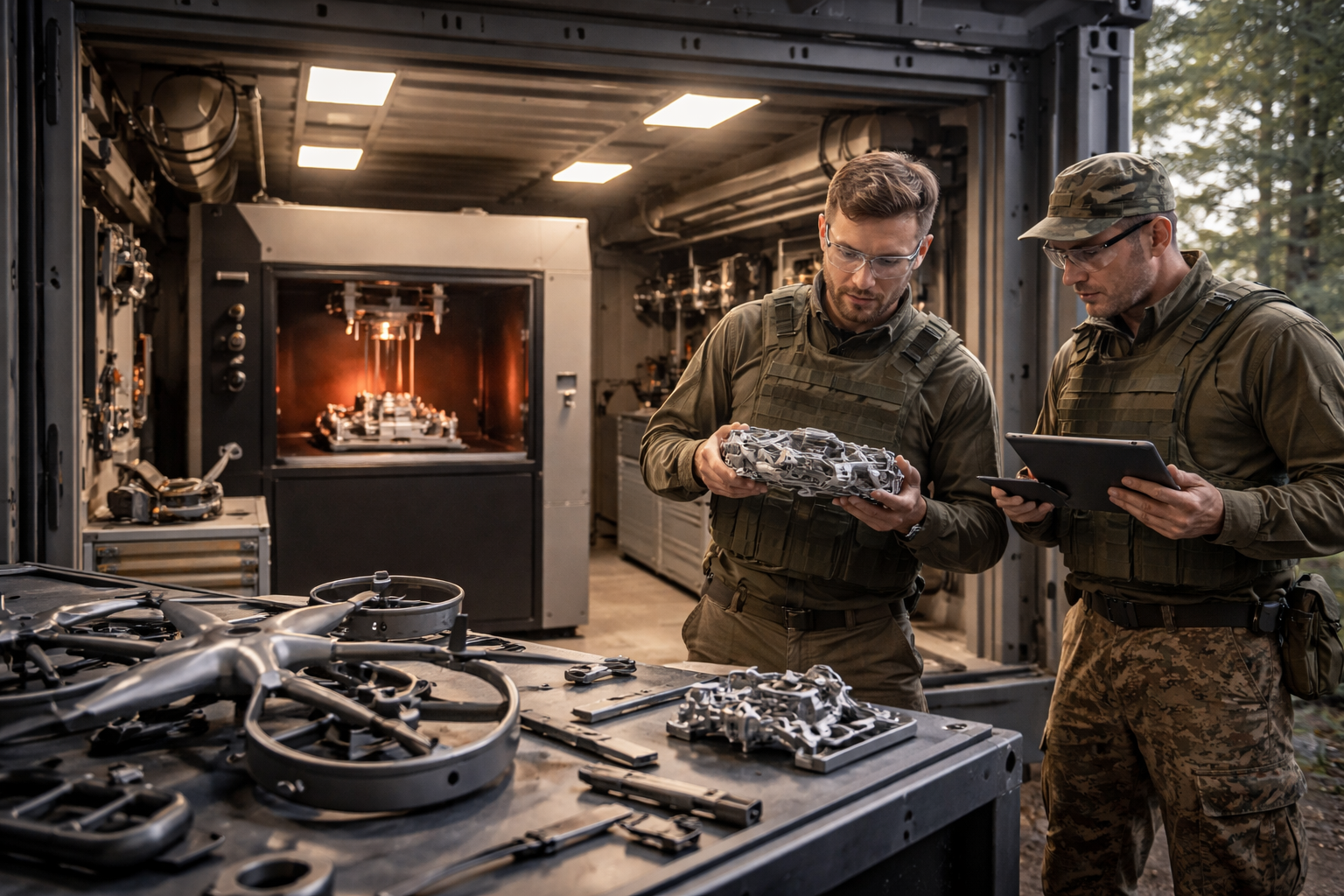
Velo3D’s Livermore buildout gives defence additive manufacturing new production scale. The facility targets qualified aerospace and defence components beyond prototype and demonstration work.
-
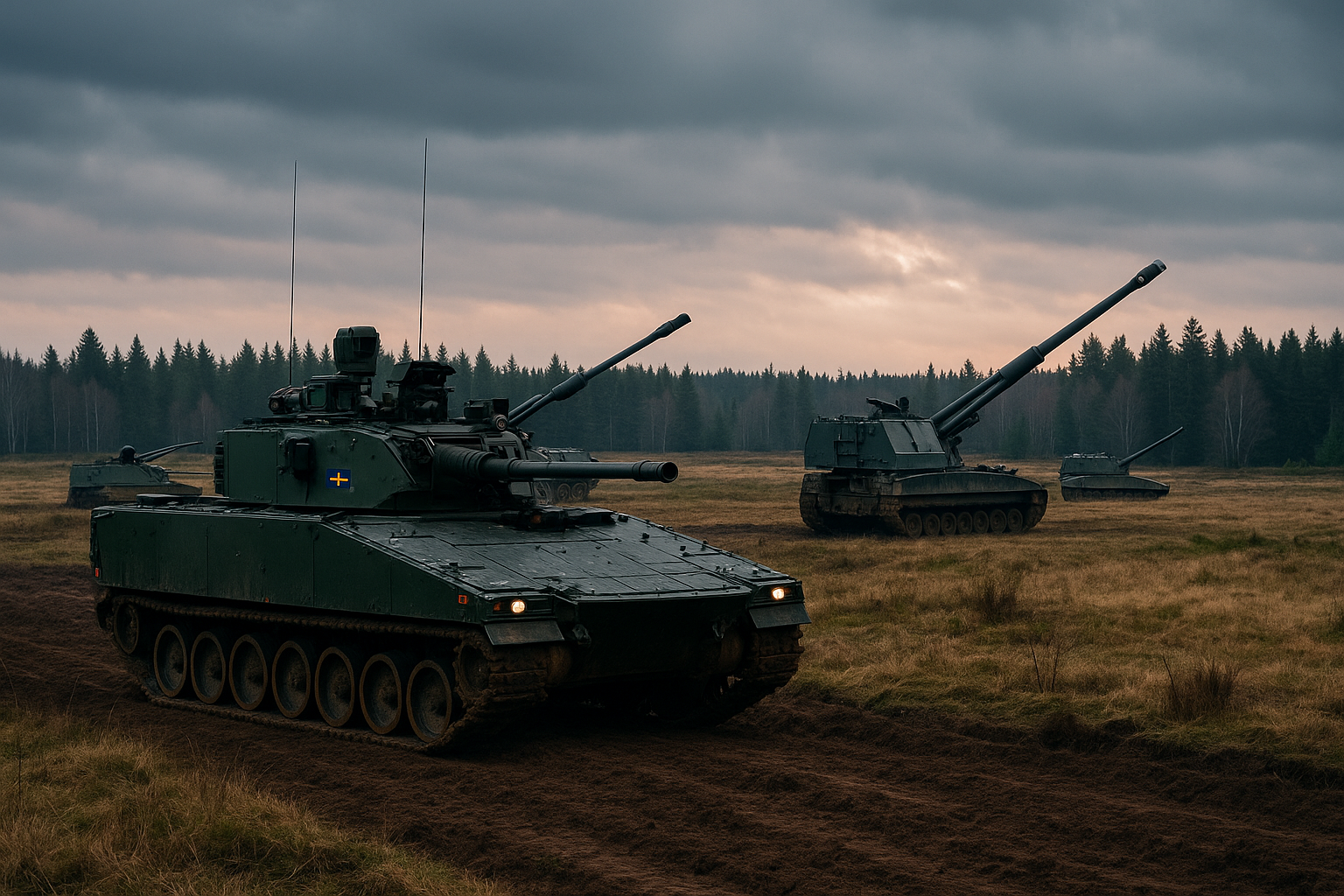
Sweden’s SKORPION2 deal brings mine warfare into renewed production focus. The framework agreement links vehicle integration, ammunition supply, training systems, and NATO interoperability.
-
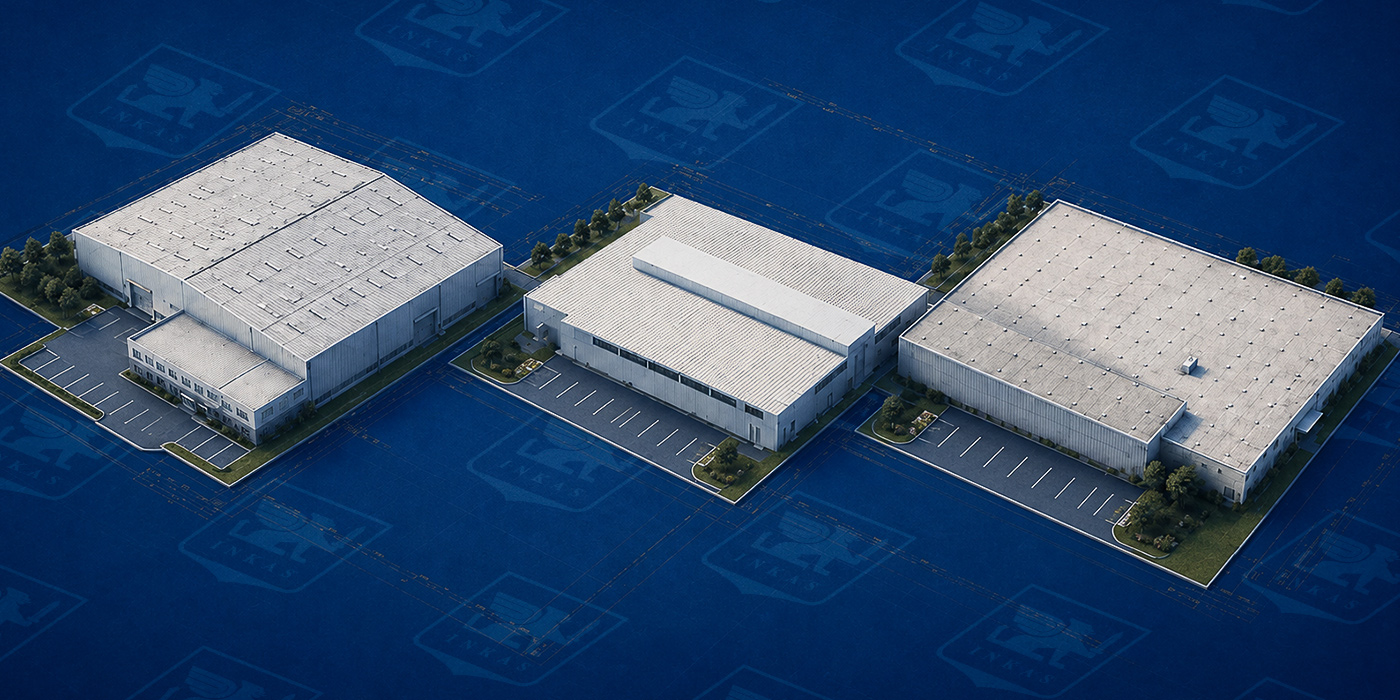
INKAS expands protected-mobility production across three new North American facilities. The added footprint strengthens capacity for armoured vehicles, tactical platforms, UAVs, and specialist systems.
-
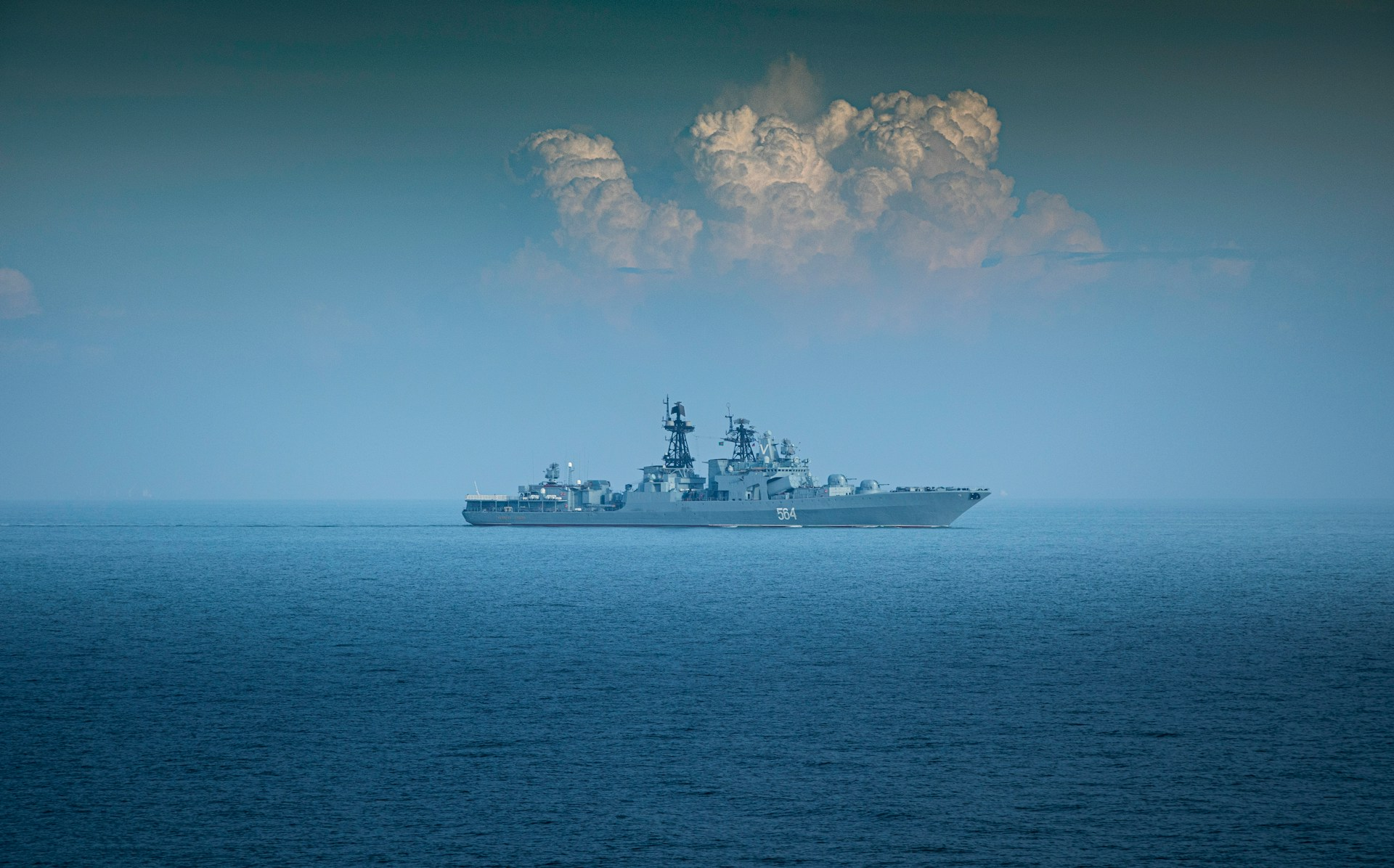
EUROGUARD’s prototype hull moves European naval autonomy into shipbuilding practice. The EDF-backed programme now has a physical platform for testing systems, payloads, and production assumptions.
-
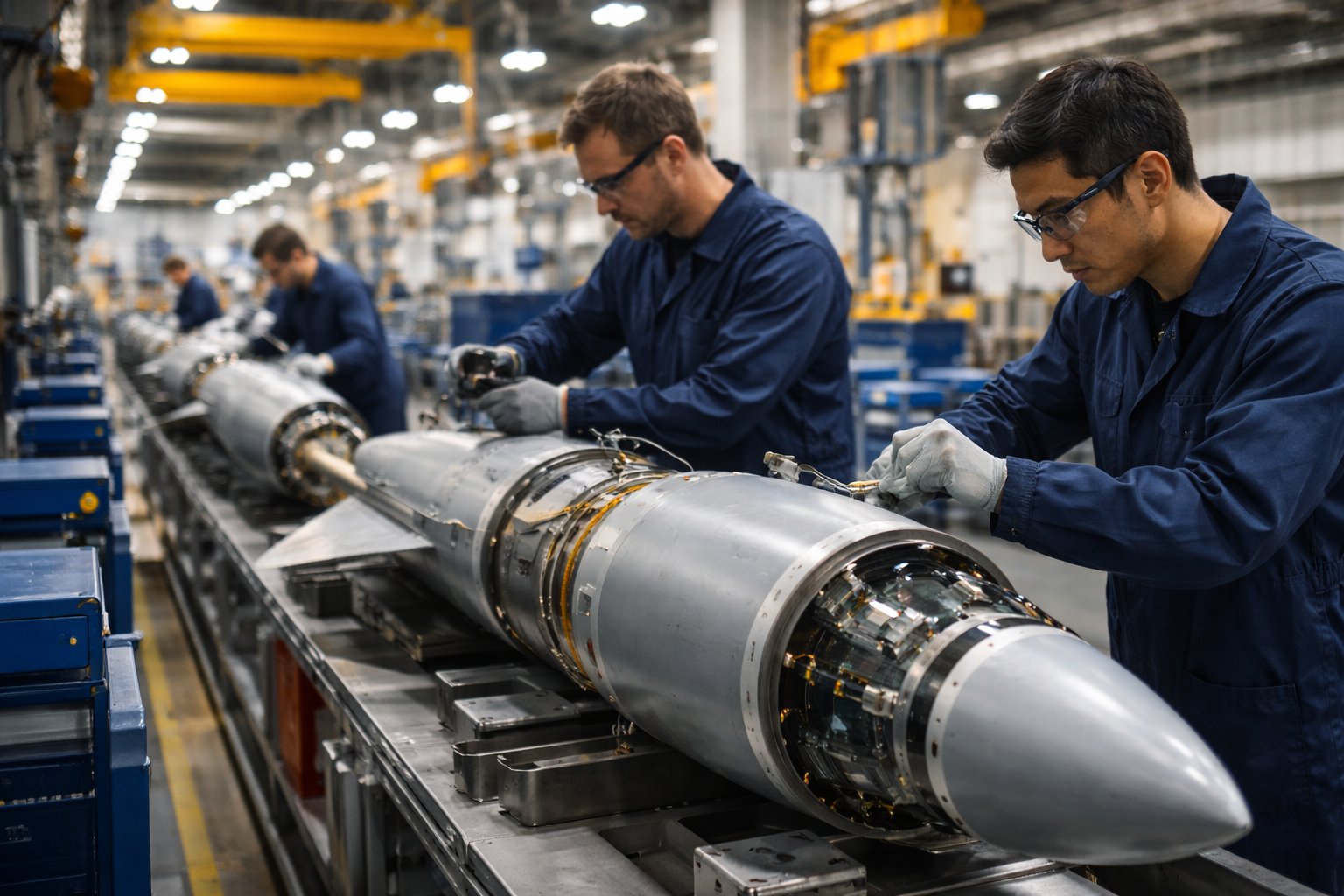
Germany’s second Arrow site expands upper-tier missile-defence infrastructure in Europe. The Bavarian deployment adds pressure across interceptors, launchers, radars, command systems, and site integration.
-
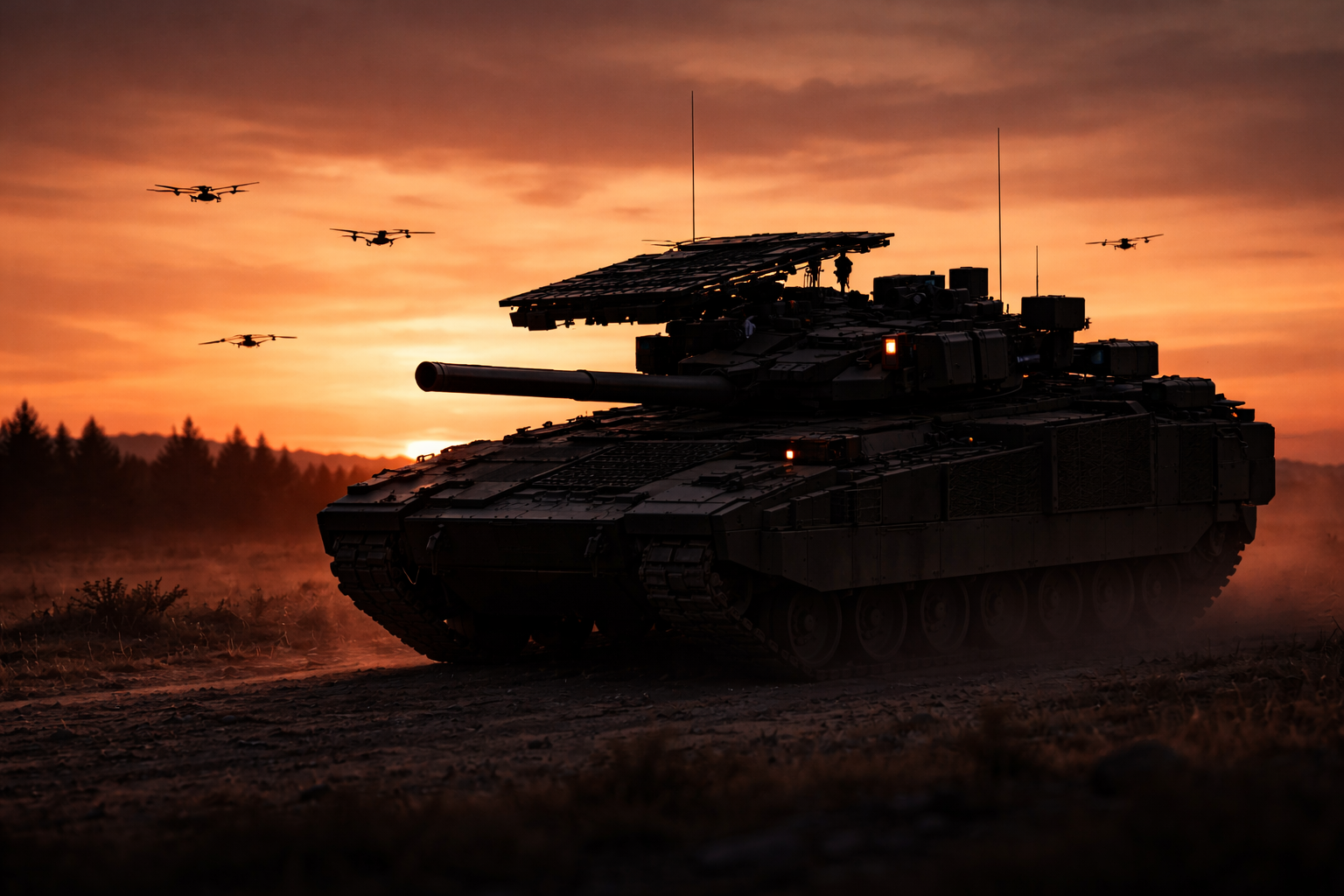
IRYDA+ X1 turns European drone precision into a production test. The Polish-Turkish system now has to prove repeatability, resilience, and manufacturability beyond a live demonstration.