
News
-
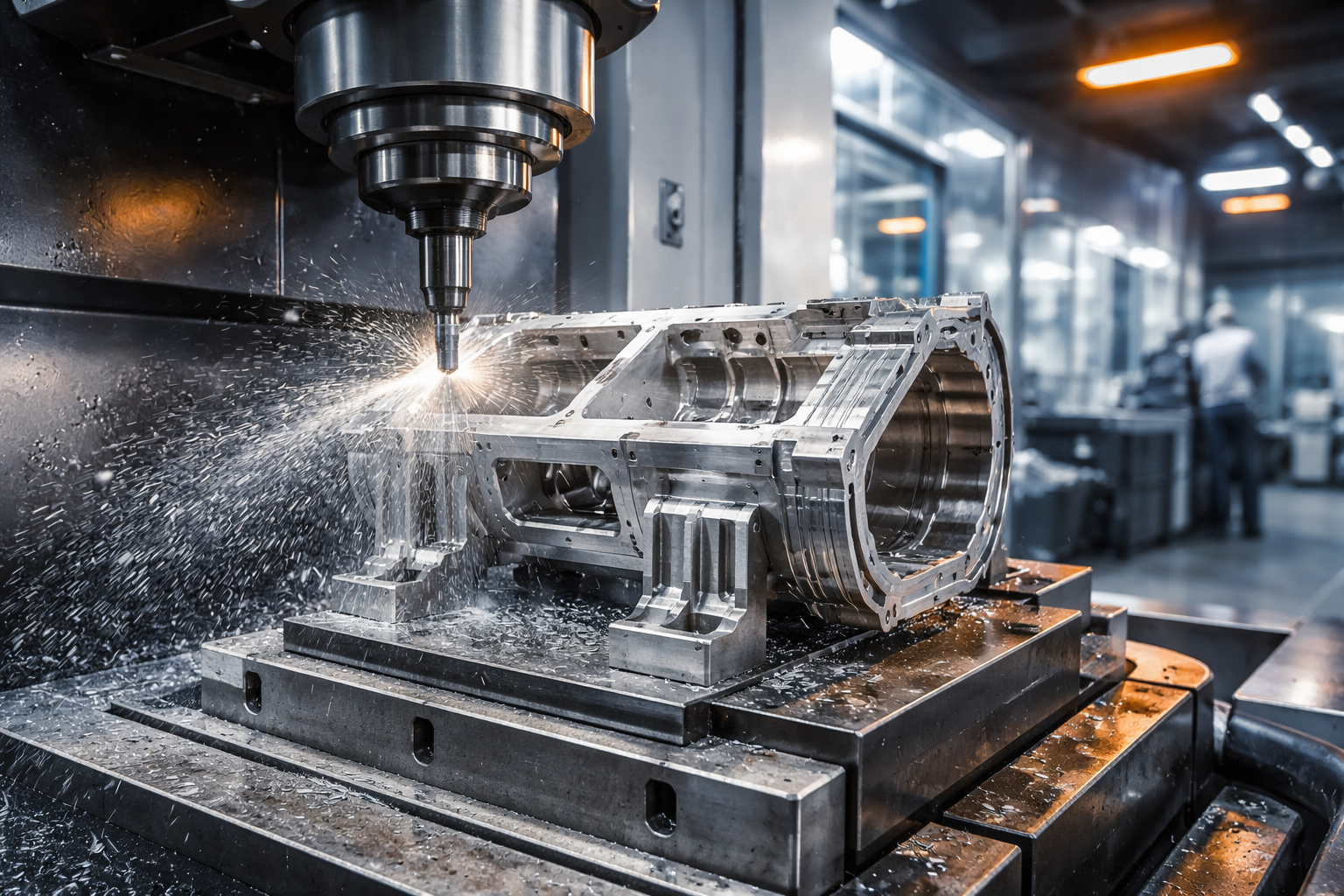
PGZ’s fighter MRO offer could deepen Poland’s sustainment role further. Support for Ukrainian F-16s and MiG-29s would place depot capacity close to Europe’s most demanding air campaign.
-

Germany’s missile talks put NATO production capacity under renewed scrutiny. Co-production of US weapons would test licensing, technology transfer, supplier depth, and transatlantic industrial trust.
-
GCAP funding now gives Britain’s combat-air suppliers clearer industrial runway. A further Edgewing contract would shift more work from programme architecture into engineering execution.
-
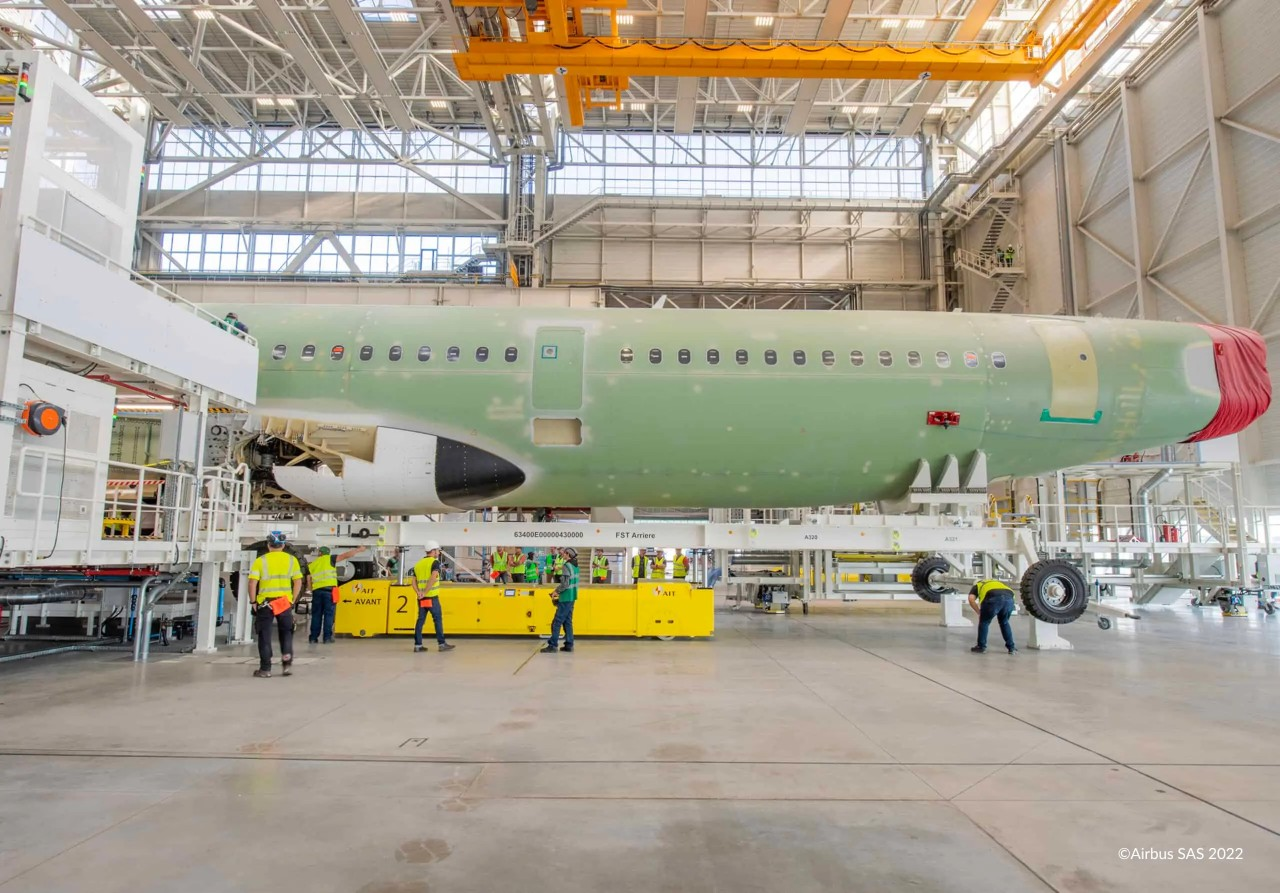
Sensolus warns aerospace backlog is also an asset visibility problem. Its Airbus tracking work shows how missing tools, containers, and ground assets can slow production flow.
-
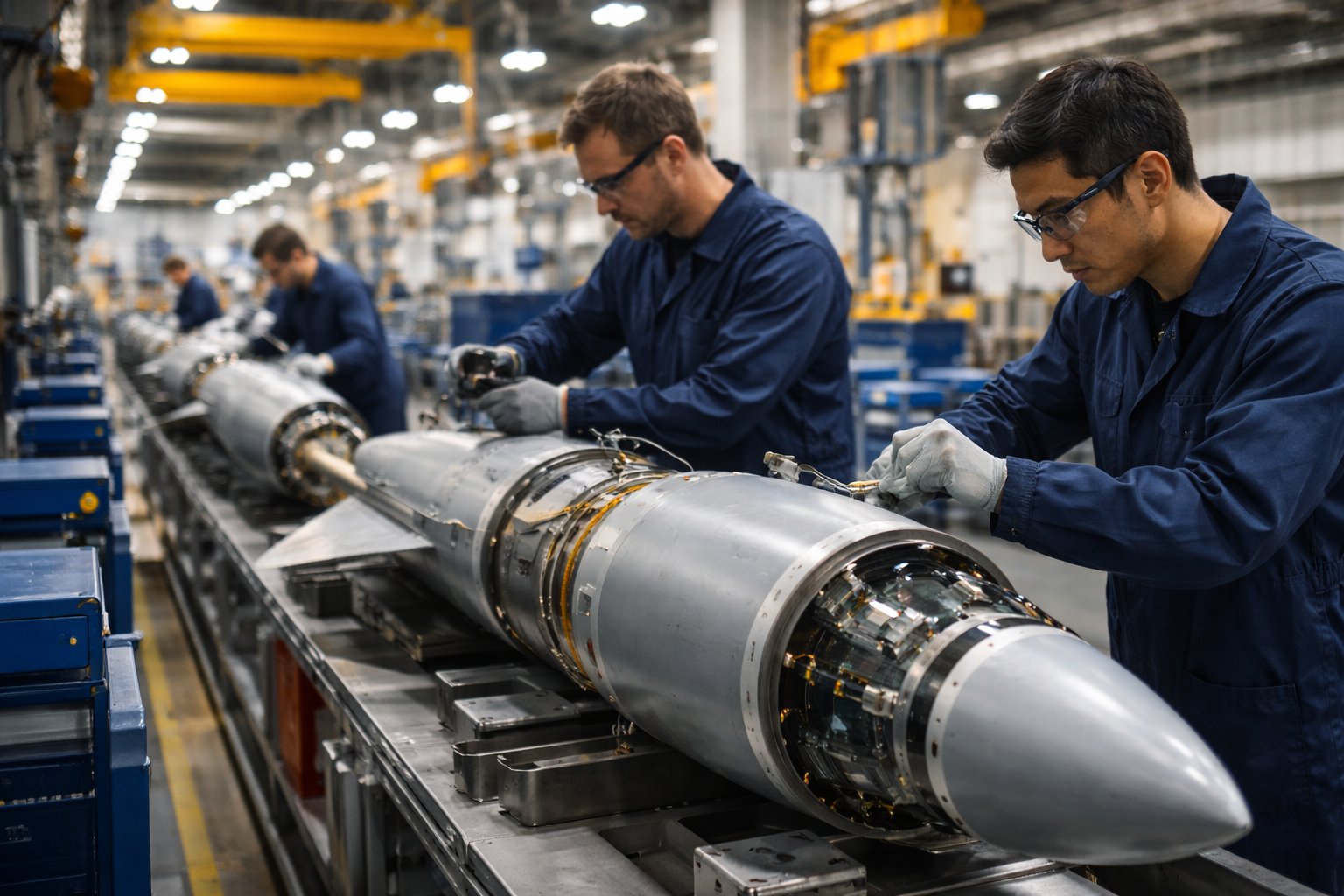
Singapore’s expanded Hellfire package adds weapons support for Apache operations. The deal also brings launcher reprogramming, software verification, spares, training, and test-equipment work into the sustainment chain.
-

South Korea’s SATURN reset extends secure-radio work nationally to 2032. The revised programme exposes the industrial limits created by protected waveforms, export controls, and domestic tactical communications integration.
-

Singapore’s MRCV programme has moved composites into serious naval production. Penguin’s first Saab-based superstructure gives the Victory-class fleet a manufacturing milestone with relevance well beyond a single ship class.
-

Keysight and WIN are targeting a costly RF design failure. Their GaN MMIC workflow links simulation, layout verification, and evaluation-board design before foundry tapeout.
-
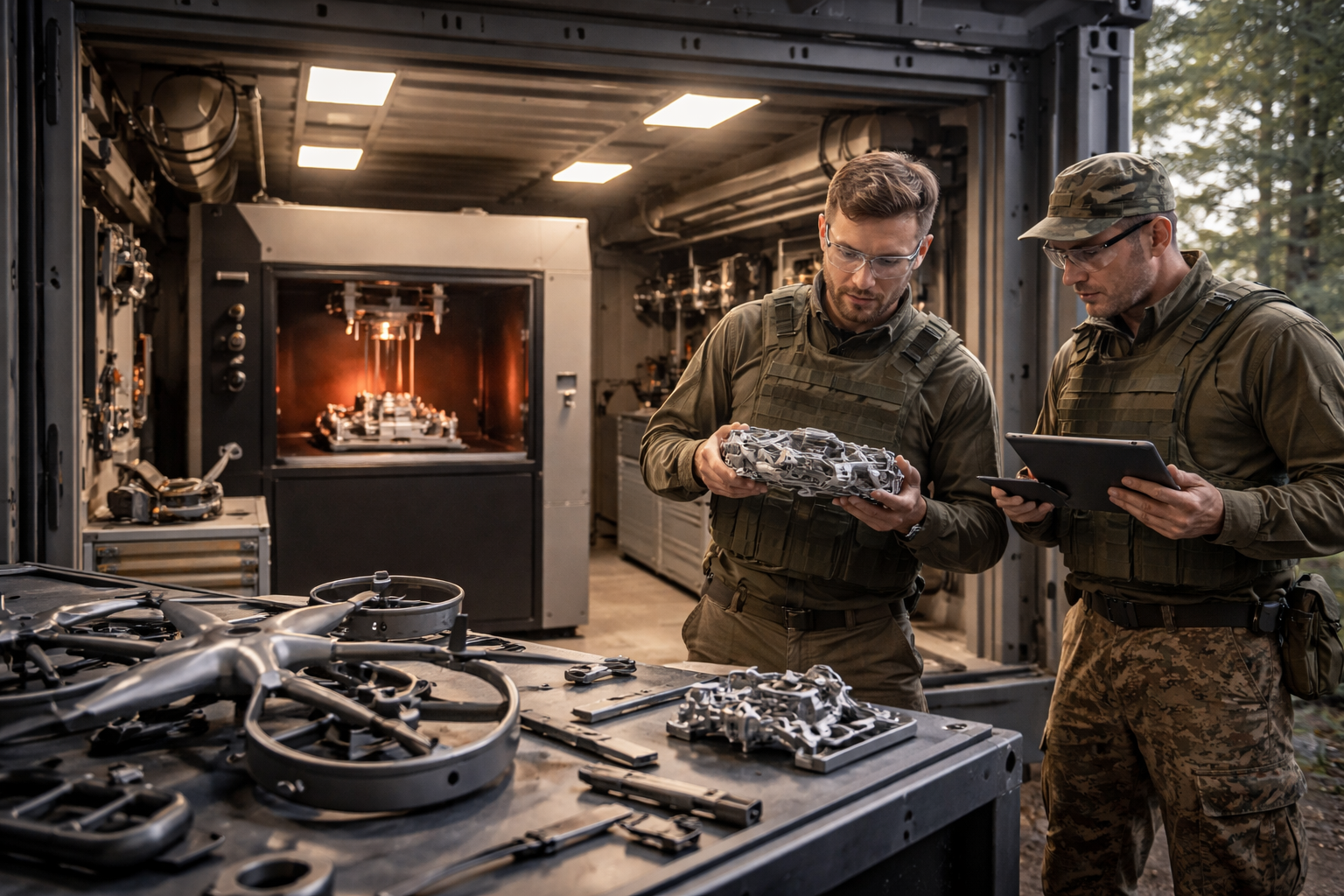
Tobyhanna is now pulling drone-component production into Army depot work. New motor and circuit-card lines reflect a push to reduce fragile overseas dependencies in low-cost unmanned systems.
-
Lockheed Martin’s GMLRS award reinforces growing precision-fires production pressure today. Demand for HIMARS and M270 rockets now rests on motors, warheads, guidance, electronics, actuation, test capacity, and supplier depth.