IN Brief:
- The RAF Regiment has deployed the Rapid Sentry counter-drone system to Kuwait as part of a defensive UK move.
- The system uses Thales-developed Lightweight Multirole Missiles, with the UK also planning additional LMM procurement.
- For manufacturers, short-notice deployment underscores the importance of missile output, training capacity, and integrated sensor-shooter packaging.
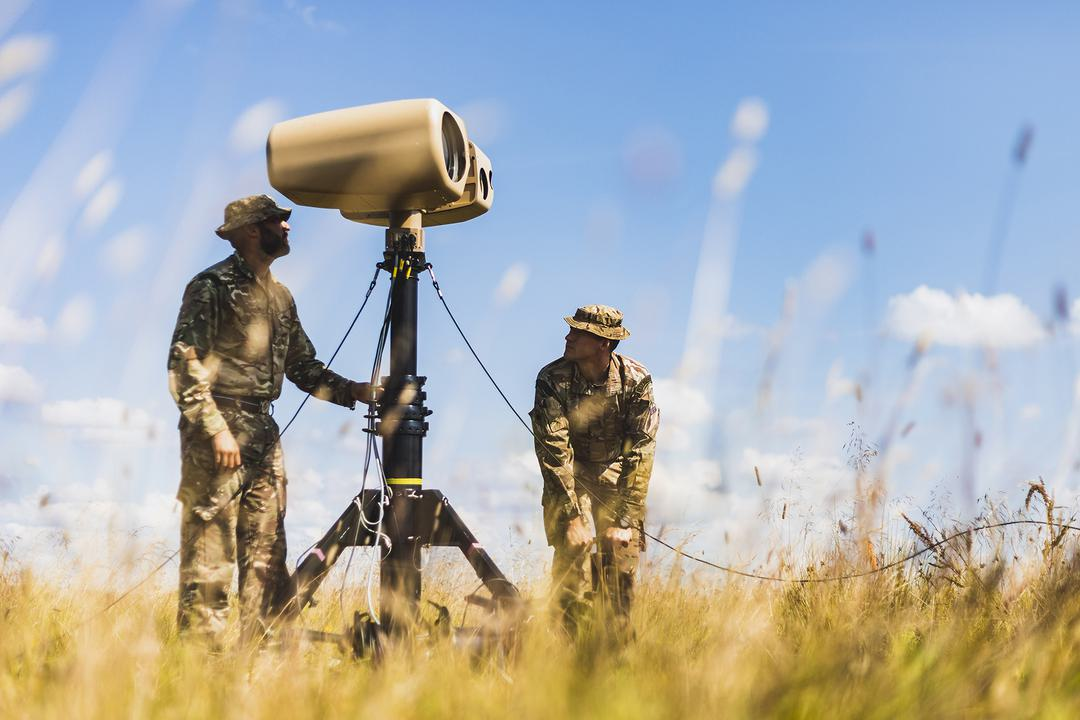
The UK has deployed the Rapid Sentry counter-drone system to Kuwait, placing one of its more visible short-range air-defence assets into a live regional security posture. The RAF Regiment says the move is designed to reinforce protection for British personnel, interests, and partners, while the Ministry of Defence has also confirmed plans to procure additional Lightweight Multirole Missiles for force protection tasks.
Rapid Sentry sits in the fast-growing class of mobile counter-UAS systems that must be credible at short notice and simple enough to move with the force. In practical terms, that means the value of the deployment lies not only in the launcher itself, but in the full package around it — sensors, command-and-control links, trained crews, ammunition depth, and the ability to keep the system available in a hot, demanding operating environment.
The choice of Kuwait also matters. Gulf theatres compress warning time and place heavy pressure on point-defence systems facing drones and other low-flying threats. That raises the premium on systems able to move quickly, establish a local air-defence bubble, and integrate into a wider force-protection architecture without the footprint of a larger GBAD deployment.
Missile supply and assembly capacity
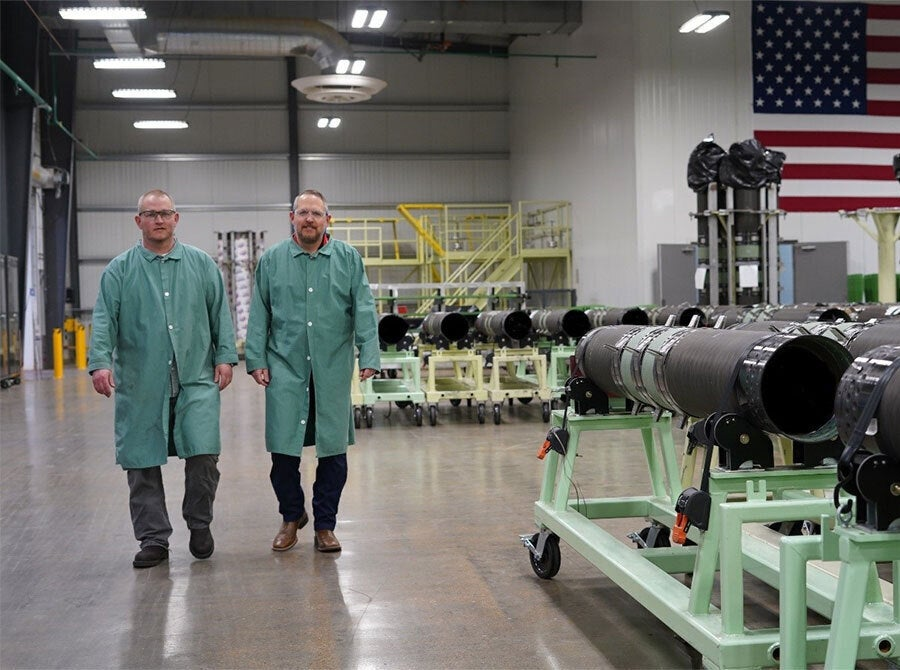
Industrial attention will settle quickly on the missile stack behind the deployment. Thales UK manufactures the Lightweight Multirole Missile in Belfast, and the system’s usefulness depends on more than its performance on the range. Output matters. Stockpile depth matters. The ability to surge production without distorting lead times for other users matters even more.
That is the wider significance of the UK’s plan to procure additional LMMs. Short-range air defence is increasingly an ammunition business as well as a launcher business, particularly when militaries are trying to protect fixed sites, expeditionary detachments, and partner forces at the same time.
Packaging a counter-drone system for sustained use
There is also a systems-integration lesson here. Counter-drone demand rarely arrives as a neat requirement for a single product line. It arrives as a request for a complete defensive package that can be fielded rapidly, trained quickly, and supported forward. That puts pressure on radar integration, vehicle interfaces, crew training, and the logistics chain for ready-use missiles and spares.
Rapid Sentry’s deployment therefore says something broader about the market. Customers are not buying a headline capability. They are buying availability, reload depth, and a production base that can support repeated deployments without hollowing out the home inventory.