IN Brief:
- Rheinmetall is operating a relocatable maritime command-and-control centre for the German Navy during REPMUS26.
- Battlesuite middleware connects sensors, effectors, and mission modules supplied by different technology partners.
- Underwater trials are examining whether multiple unmanned systems can contribute to one persistent operational picture and common operator interface.
Rheinmetall is testing a networked maritime command-and-control architecture at REPMUS26 in Portugal, combining a relocatable operations centre with unmanned sensors and equipment from multiple suppliers.
The German group is participating in the multinational Robotic Experimentation and Prototyping with Maritime Unmanned Systems exercise from 31 August to 25 September. Activity around the Troia Peninsula and surrounding Portuguese waters is bringing naval operators, research organisations, and industry together to test uncrewed systems under a common operational framework.
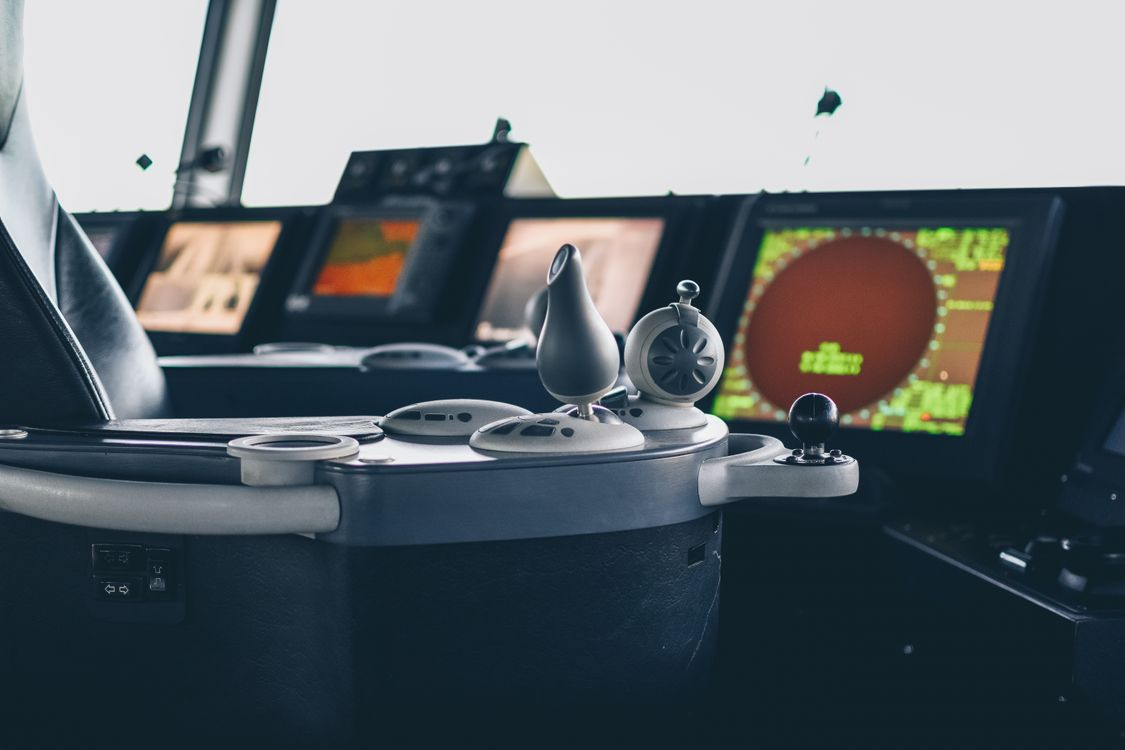
Rheinmetall’s 2026 contribution centres on a containerised demonstration system being used by the German Navy as a mobile command-and-control centre. The setup is intended to combine information from underwater and surface systems into a multidimensional operational picture while supporting port security and protection of maritime infrastructure.
The integration layer is Rheinmetall Battlesuite, built around Tactical Core middleware from blackned. The architecture is designed to connect sensors, effectors, mission modules, and command applications from different suppliers instead of requiring every component to operate through its own isolated control environment.
That approach addresses one of the less visible constraints on military autonomy. A navy can acquire several capable unmanned vehicles and still end up with a collection of separate systems if each platform needs a proprietary operator station, communications path, data format, and mission-planning application.
Combining their outputs is a different engineering task from operating each platform successfully. Track information has to retain a consistent identity, data from several sensors has to be correlated, communications interruptions have to be managed, and operators need enough information to understand the status of each vehicle without monitoring a row of unrelated consoles.
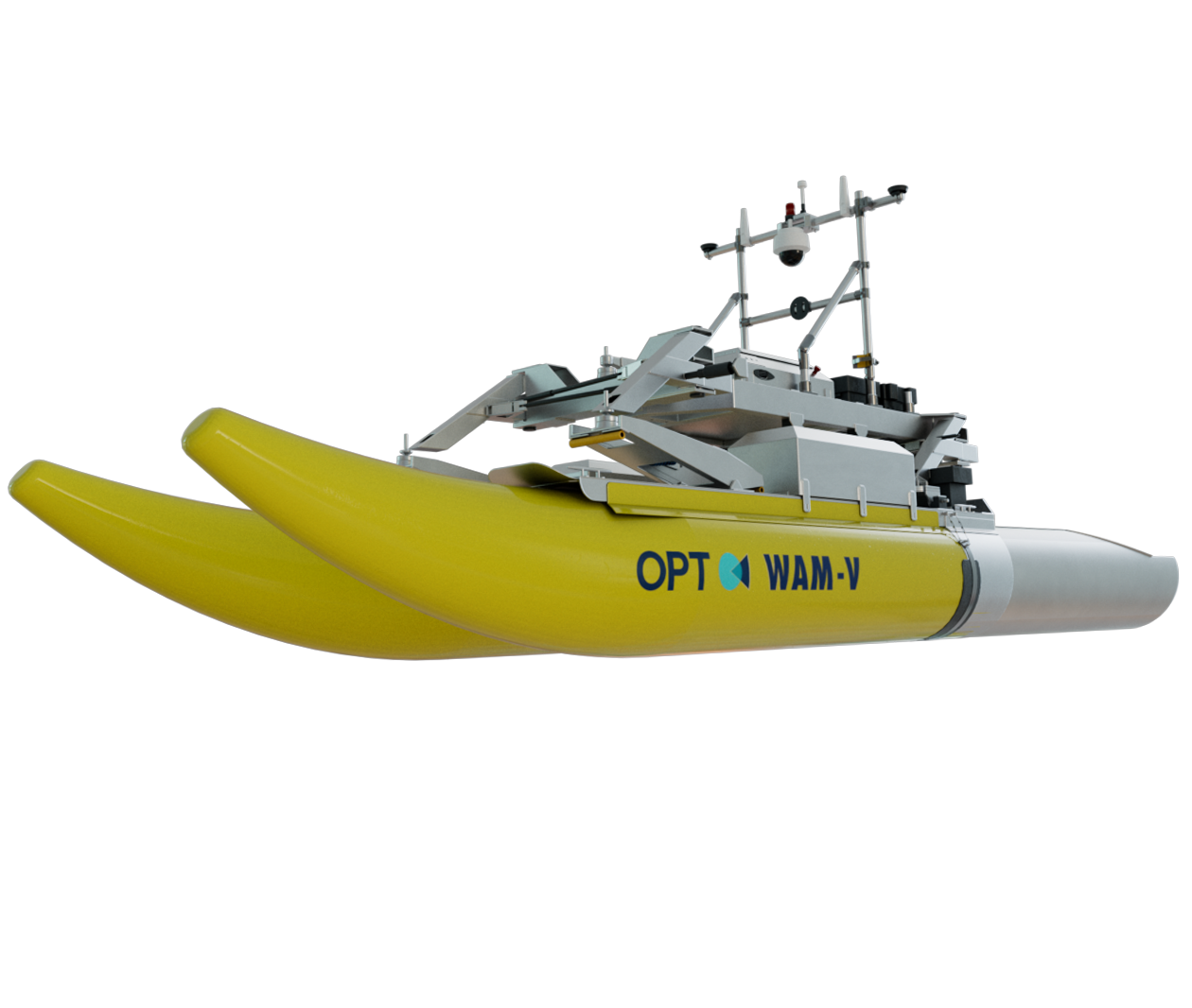
REPMUS26 is giving Rheinmetall an environment in which to test those interfaces with deployed hardware. A particular part of this year’s programme is focused on unmanned underwater sensors from several technology partners, with the systems feeding a persistent operational picture through a common interface.
The company has not identified every participating platform or sensor, nor has it published figures for the number of vehicles controlled simultaneously, communications latency, detection performance, or the availability of the network during the exercise. The work is therefore an integration trial rather than a declared operational capability with a fixed performance specification.
Rheinmetall has been developing Battlesuite as a modular digital layer between individual platforms and higher-level command systems. Tactical Core provides the underlying middleware, while applications and equipment can be introduced through defined interfaces according to the customer’s operating requirement.
Earlier in September, the company opened key Battlesuite interface specifications to external developers, publishing its initial Onboard and Tactical APIs. That move allowed suppliers to develop equipment and software against defined interfaces before reaching a specific vehicle or command-system integration programme.
The REPMUS work puts the same principle into a deployed maritime setting. Interface documentation can establish how equipment is expected to communicate, but operations expose issues that are difficult to reproduce in a software specification, including variable communications, differing sensor update rates, operator workload, and the behaviour of vehicles supplied by separate manufacturers.
Maritime infrastructure protection adds another layer to the problem because the operating environment spans several domains. A port may need surveillance of the water surface, seabed approaches, harbour entrances, surrounding airspace, and shore installations, with detections from those areas passed into one command structure.
Unmanned systems are useful in that environment partly because they can extend surveillance away from fixed sensors and crewed platforms. Their value falls quickly if information remains trapped in separate control stations, however, or if operators have to translate data manually between systems before a contact appears in the recognised picture.
The containerised command centre is intended to provide a relocatable alternative to fixed infrastructure. Positioning the operations node close to the area being protected can simplify some communications and deployment requirements, while retaining the ability to connect the local picture to wider naval command networks.
That mobility does not remove the integration burden. Power, communications, cybersecurity, interface control, software configuration, and operator procedures still have to be managed each time new equipment is connected. Open interfaces can reduce bespoke development, but military qualification and information assurance remain specific to the deployed configuration.
Rheinmetall’s architecture also has to accommodate a faster technology cycle than the ships and shore installations around it. Autonomous vehicles, sensors, processing hardware, and software can change within a few years, while naval platforms remain in service for decades. A middleware layer becomes useful when it allows one element to be replaced without rebuilding every surrounding interface.
REPMUS26 does not establish that Battlesuite has solved that problem across every platform type. It does provide a more demanding test than a stand-alone demonstration by requiring sensors, unmanned equipment, command software, communications, and naval operators to work within the same exercise.
The programme continues until 25 September. The next measure will be whether the integration approach can repeatedly accept new vehicles and sensors without returning to lengthy bespoke engineering each time — a requirement that will determine whether heterogeneous autonomous fleets can be managed as a system rather than as individual pieces of equipment.