IN Brief:
- mtu PowerPack Xelerate delivers more than 1,400kW through an integrated parallel hybrid architecture.
- The system pairs Rolls-Royce’s mtu 10V 199 engine with ZF’s eLSG 5000 electrified gearbox.
- Heavy vehicle propulsion is increasingly tied to electrical demand, autonomy, protection systems, and future platform growth.
Rolls-Royce Power Systems has unveiled the mtu PowerPack Xelerate at Eurosatory 2026, bringing hybrid propulsion for heavy tracked vehicles into a more defined engineering package for future land platforms.
The system combines the mtu 10V 199 engine with ZF’s eLSG 5000 electrified manual gearbox, delivering more than 1,400kW through an integrated parallel hybrid architecture. Rolls-Royce is responsible for powertrain integration, system architecture, and the complete propulsion package, making Xelerate more than an engine replacement.
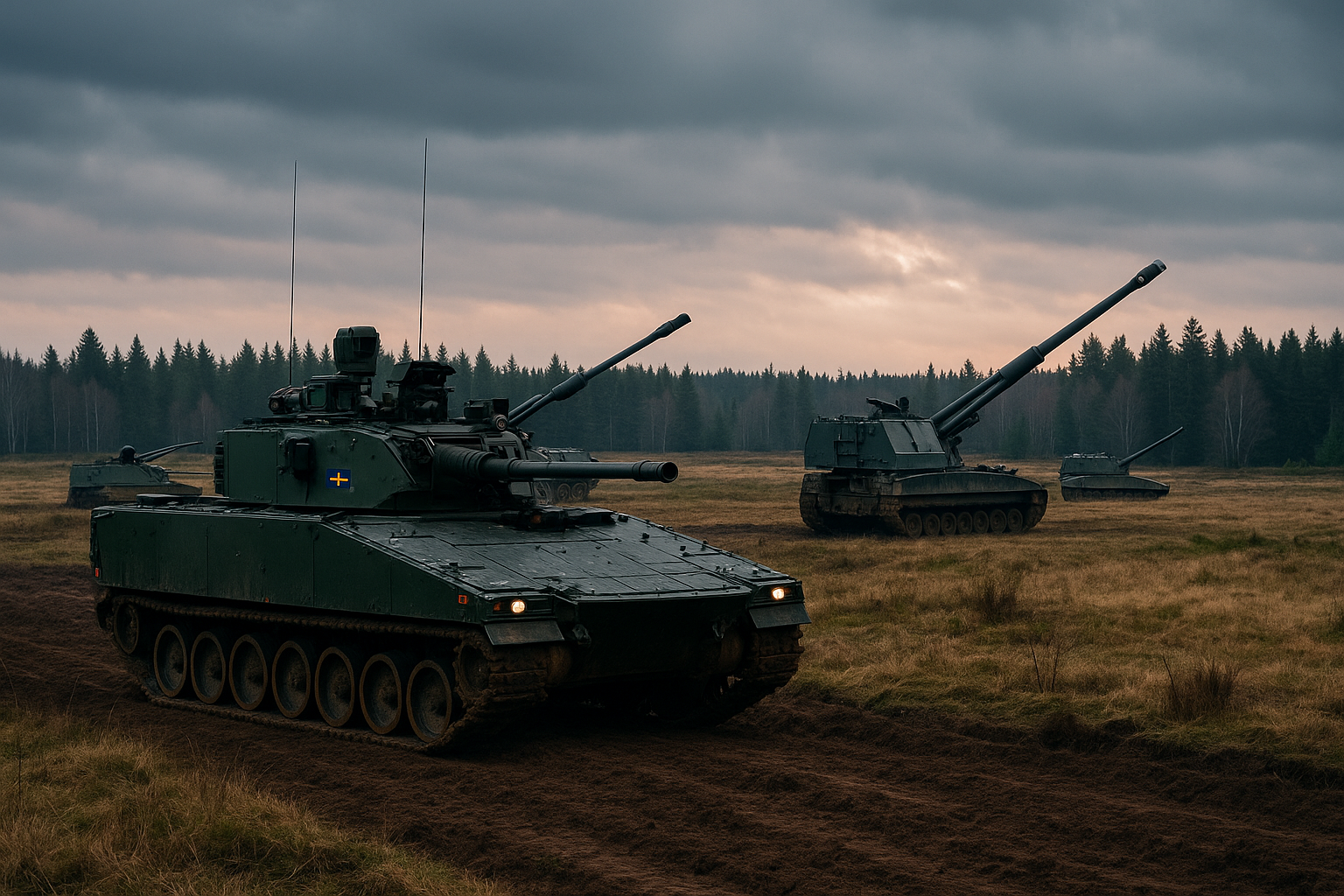
Armoured vehicle propulsion is being reshaped by electrical demand. Modern tracked platforms need power for sensors, active protection systems, electronic warfare equipment, battle-management systems, communications, thermal sights, cooling systems, electronic control, and future autonomy functions. Mobility remains essential, but the powerpack is increasingly expected to support the vehicle’s digital and defensive architecture.
Xelerate has been designed for future heavy tracked platforms, with Rolls-Royce citing high power density, reduced vehicle weight potential, high onboard electrical output, and drive-by-wire readiness. The company has linked the system to future vehicles in the MLC 60 class, around 54 tonnes, while offering power and electrical flexibility for more demanding mission systems.
The drive-by-wire element is central to the next generation of land vehicles. Electronically controlled steering, braking, propulsion, and power management create a route toward remote operation, optionally crewed vehicles, driver-assistance functions, and future unmanned platforms. Heavy armour will not become autonomous by default, but the underlying architecture needs to support that transition if armies want growth potential through the 2030s and beyond.
Hybrid propulsion also changes the support model. Batteries, power electronics, cooling loops, control software, electric machines, sensors, high-voltage safety systems, and fault-diagnostic tools become part of the maintenance environment. Diesel mechanics and armoured vehicle technicians will need to work alongside electrical specialists, software engineers, and safety-certified maintainers. Training pipelines, spares inventories, technical publications, and depot facilities will need to adapt.
The same pressures are visible in wider European armour modernisation, where interim tank work, future combat vehicle studies, and active protection upgrades all point to rising electrical loads. Armour, mobility, and lethality still define the platform, but survivability increasingly depends on sensors, software, defensive aids, and networked awareness. Each addition consumes power and places greater stress on cooling and distribution systems.
Hybrid systems could also support operational features that are increasingly valuable on the battlefield. Silent watch, reduced acoustic and thermal signatures, short-duration electric movement, improved auxiliary power, and more efficient energy management can all change how a vehicle operates. Those benefits depend on reliable integration, since a complex hybrid system that reduces availability would weaken the platform rather than improve it.
For industry, Xelerate places new demands across the supply chain. Engine production remains important, but value moves toward integrated systems: transmissions, power electronics, electric machines, control software, cabling, connectors, sensors, cooling units, and diagnostic equipment. Components must meet military shock, vibration, temperature, dust, electromagnetic compatibility, maintainability, and safety requirements. Automotive electrification experience can contribute, but military vehicles face harsher duty cycles and different support conditions.
Production engineers will also need to manage the interface between heavy mechanical assemblies and high-voltage electrical subsystems. The powerpack has to be buildable, testable, safe to service, and compatible with vehicle architectures that may vary by national programme. Factory acceptance, field diagnostics, and depot-level repair procedures will become part of the system’s credibility.
The production path will not be immediate. Rolls-Royce expects prototypes later this decade, with series production in future platforms from the 2030s onwards. Heavy land systems move slowly because qualification, environmental testing, integration, and national trials are extensive. That timeline gives vehicle primes and defence ministries room to align powerpack development with future platform decisions.
European industrial sovereignty also sits behind the technology. Armoured vehicle readiness depends on access to engines, transmissions, electronics, spares, and repair capacity. A European hybrid powerpack gives future vehicle programmes a regional option at a time when supply security, upgrade control, and long-term sustainment are central procurement concerns.
Xelerate turns the electrification of heavy armour into a concrete production and integration challenge. Future tracked platforms will need to move, protect themselves, process data, communicate, and potentially operate with reduced crew exposure. That demand starts with power, and the powerpack is becoming one of the main design battlegrounds in land systems.