
Sea
-
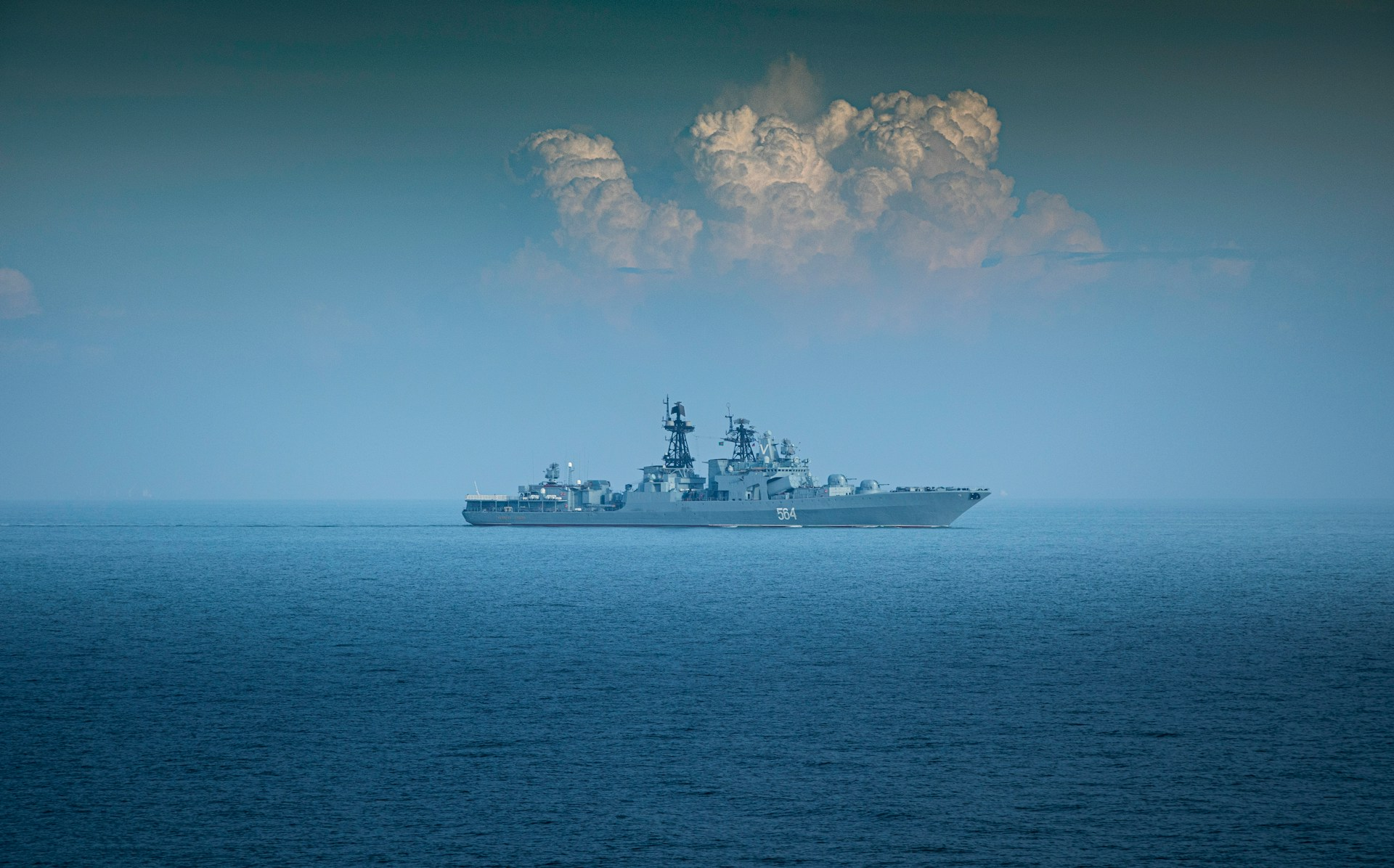
The Indian Navy is defining long-range maritime loitering munition requirements. Its RFI calls for more than 1,000km range, nine hours of endurance, ship and shore launch options, resilient navigation, and networked control.
-

India has approved another major package of domestic defence acquisitions. The ₹1.10 lakh crore package spans land, naval, aerospace, electronic warfare, and support capabilities, with about 98% intended for Indian industry.
-
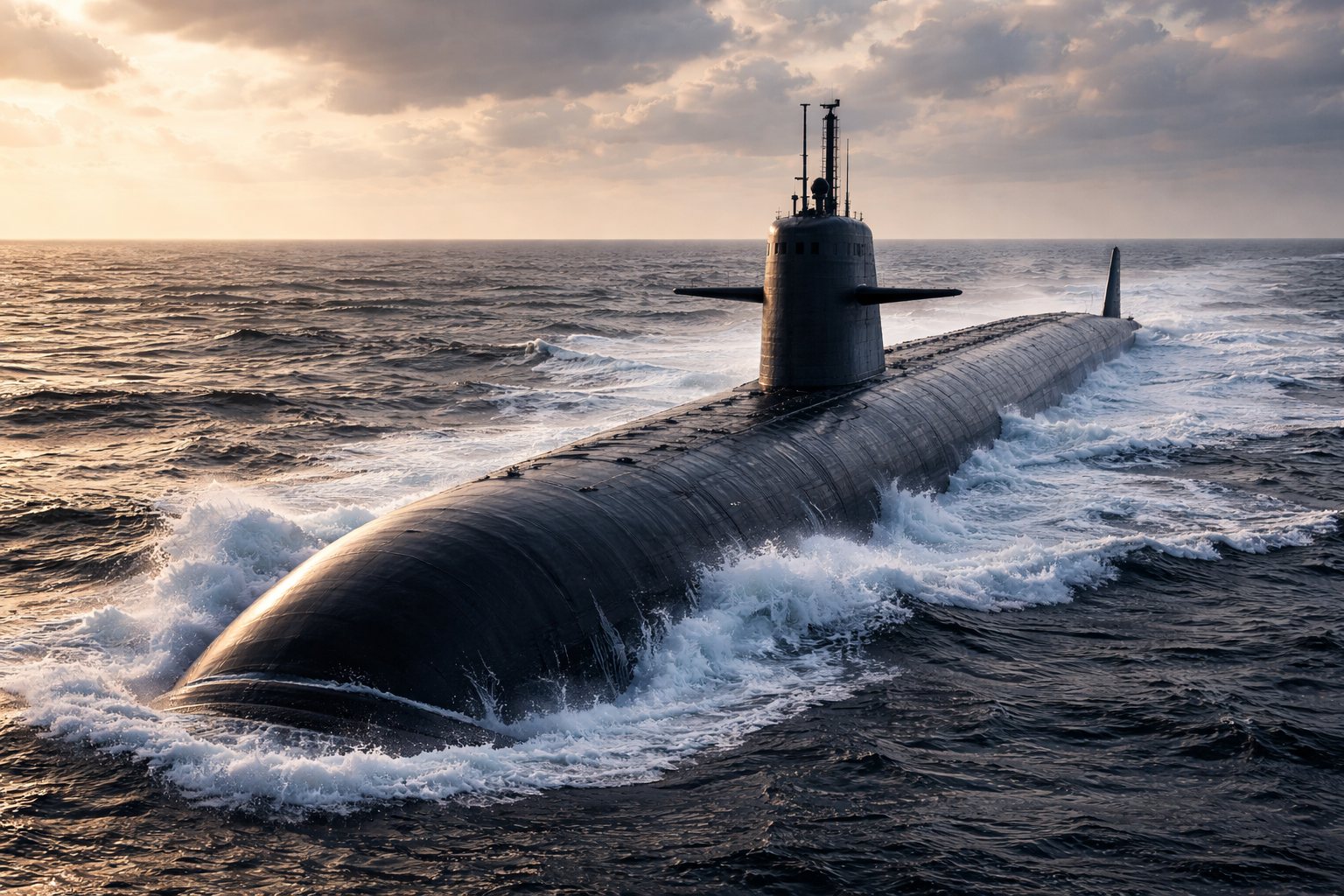
Lockheed Martin will advance Trident II D5LE2 development through 2030. The $90.2 million Navy modification funds additional advanced design and development work within the wider strategic missile life-extension programme.
-
L3Harris will produce low-profile photonics masts for US Navy submarines. The $139 million modification covers new-build and in-service boats, spares, and engineering support at Northampton through September 2030.
-
NASSCO will modernise USS Pinckney during its 2026 depot availability. The $149.6 million programme covers maintenance, repair, testing, production, and equipment modernisation at the company’s San Diego shipyard through September 2028.
-

General Dynamics will support fire-control engineering for nuclear-armed SLCM-N programme. The $194.1 million modification funds technical development at Pittsfield and Manassas through September 2028 as the Navy develops the missile’s supporting weapon-system architecture.
-
HII will procure long-lead materials for future carrier CVN 82. The $336.1 million award starts advance purchasing for USS William J. Clinton at Newport News Shipbuilding, with contracted work extending to 2039.
-

SES will expand sovereign satellite connectivity for Peru’s naval operations. The managed service combines GEO and LEO connectivity across coastal bases, aircraft and vessels, including B.A.P. “UNIÓN” during its VIEX-2026 voyage.
-
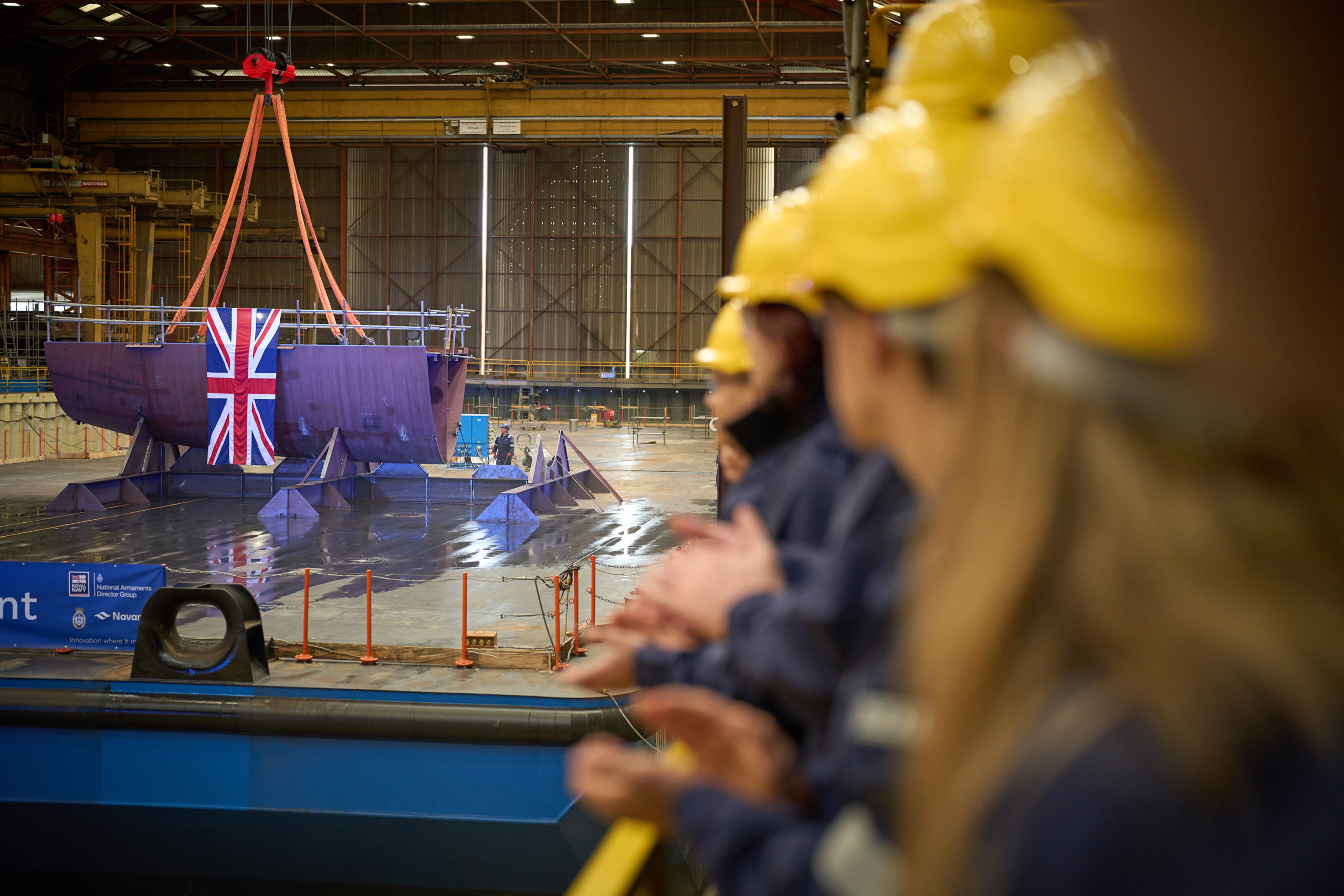
RFA Resurgent has reached keel laying at Navantia’s Appledore shipyard. The first Fleet Solid Support vessel is now in formal assembly, while sister ships RFA Reliant and RFA Resourceful join the three-ship programme.
-
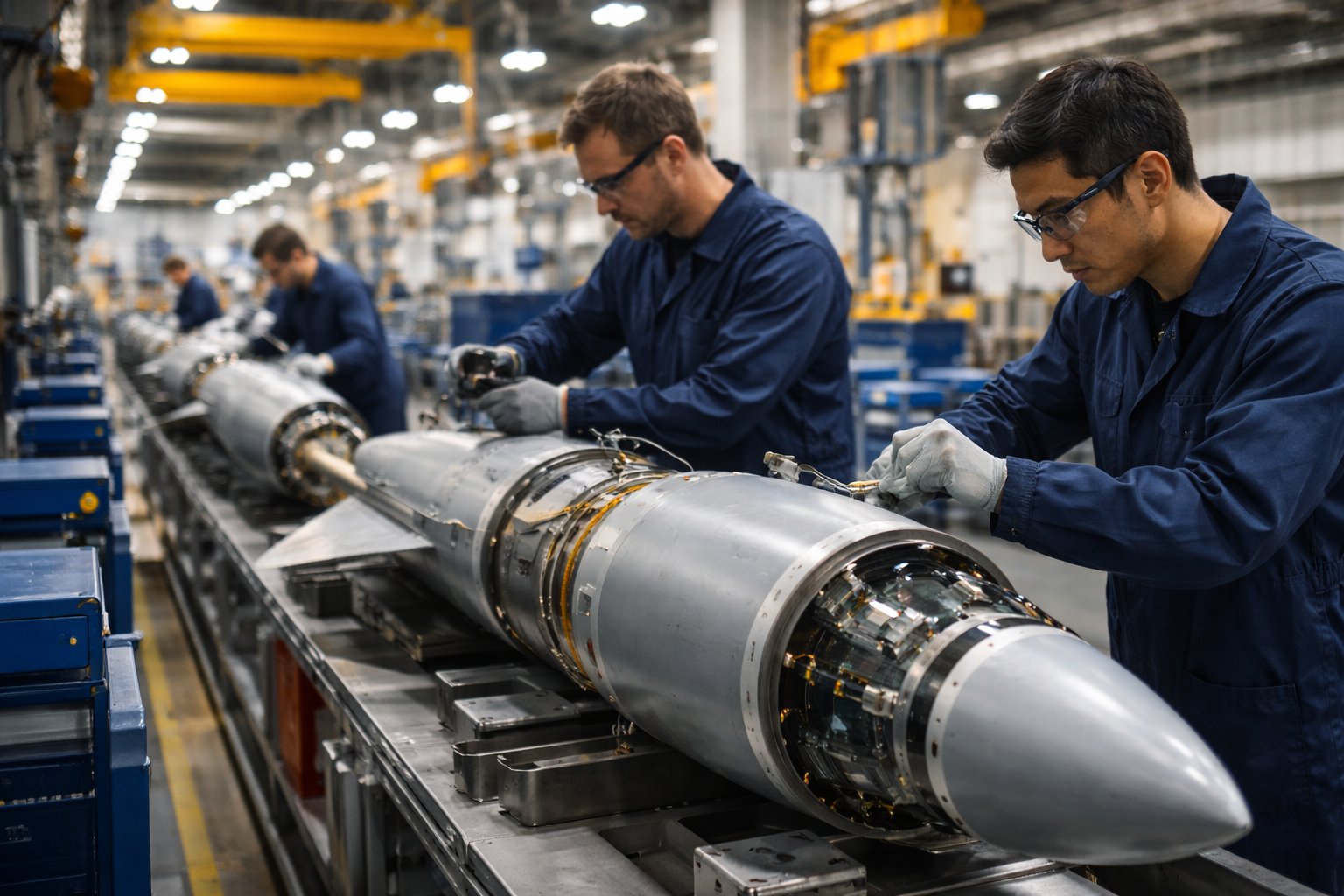
German Navy crews have completed two Naval LORA firings successfully. The OPEX trials tested IAI’s maritime ballistic strike system from an operational vessel.